THE CEREMONIAL FORTRESS OF SACSAYHUAMÁN
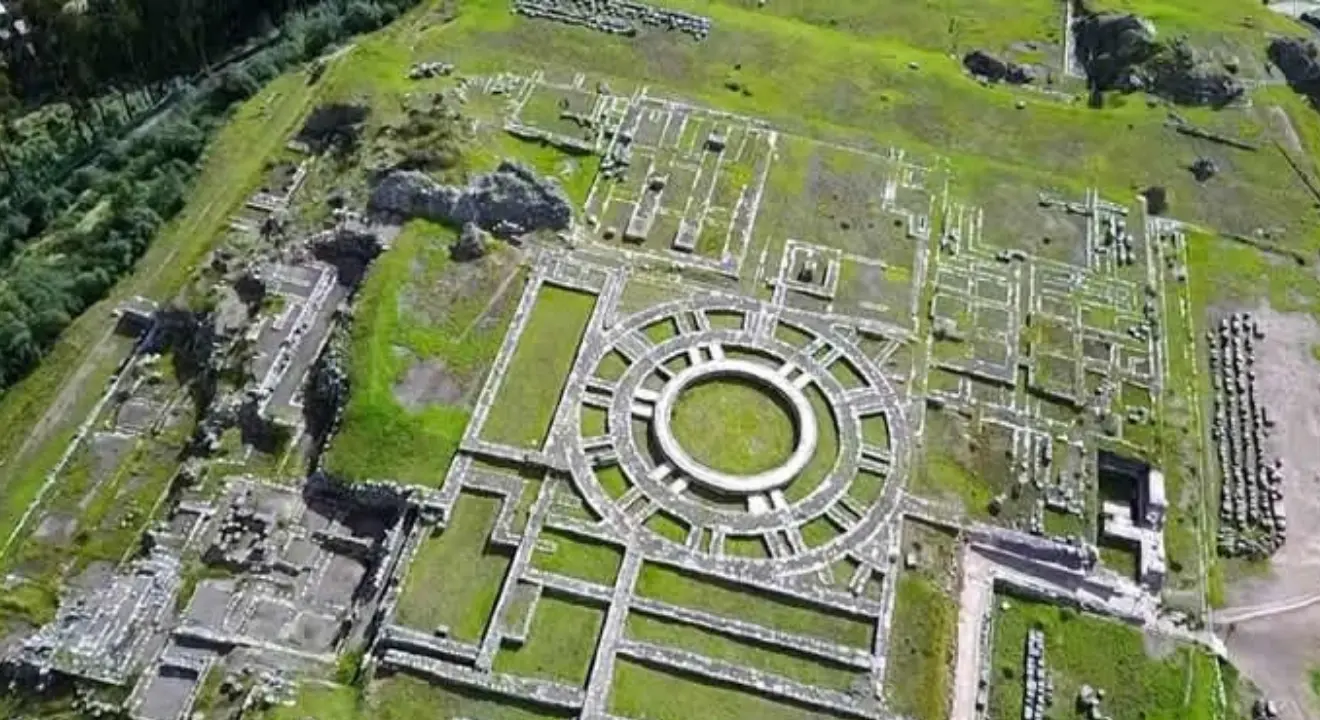
Sacsayhuamán is a monumental Inca ceremonial fortress located on the hills overlooking the city of Cusco, Peru. Built during the reign of the Inca Pachacútec in the 15th century and expanded by his successors, this colossal work required the labor of thousands of people over several decades.
History of Sacsayhuamán
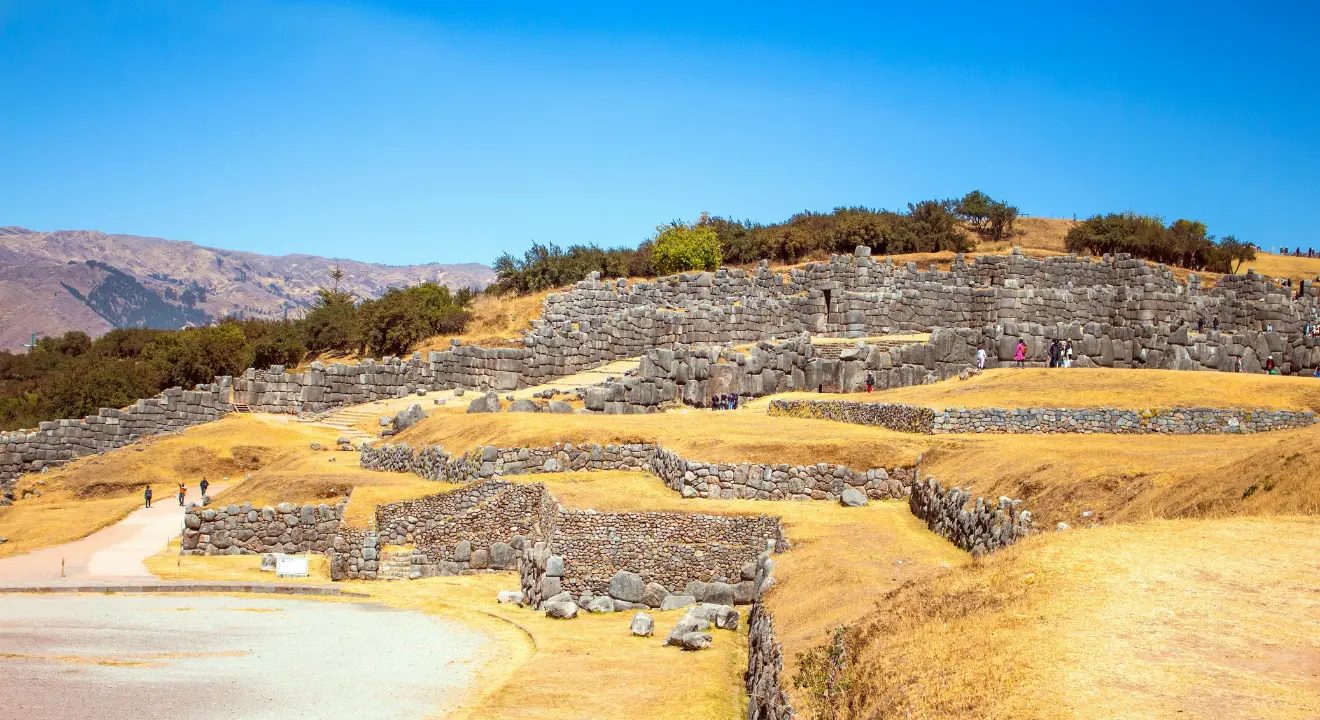
Sacsayhuamán was built in the 15th century during the reign of the Inca Pachacútec and expanded by his successors as part of the defensive and ceremonial system of Cusco, the capital of the Inca Empire. The fortress combines military, religious, and symbolic functions, reflecting the strategic and spiritual importance of the city.
Its enormous zigzagging walls are made of stone blocks weighing up to 120 tons, assembled with such precision that even today it is unknown how the Incas managed to transport and place them without modern tools. In addition, the fortress is related to the Inca worldview, since Cusco is considered to have been designed in the shape of a puma, and Sacsayhuamán represented the head of this sacred animal.
Today, Sacsayhuamán remains one of the most visited sites in Cusco, offering a journey into the past and impressive panoramic views of the city and the Andes.
Meaning of Sacsayhuamán
The name Sacsayhuamán comes from Quechua: saqsay, which means “satiated” or “to be satisfied,” and waman, which means “falcon,” so it is translated as “Satisfied Falcon.”
This name reflects the deep Andean worldview, in which the falcon was a sacred bird, a symbol of the sky, vigilance, and the upper world (Hanan Pacha).
Where it is located
Sacsayhuamán is located on the hills that dominate the city of Cusco, north of the historic center, offering panoramic views of the valley and the surrounding Andes. Its strategic location not only allowed for efficient military defense, but also reflected its ceremonial importance within the Inca Empire. From this point one can appreciate the magnitude of Cusco, a city that the Incas planned with the symbolic shape of a puma, and Sacsayhuamán represents the head of this sacred animal.
How to get there
Access to Sacsayhuamán is quite easy thanks to its proximity to the center of Cusco:
1. Walking from the Plaza de Armas
The most popular way is to walk up from the Plaza de Armas. Taking streets such as Resbalosa or Arco Iris, the ascent takes between 30 and 45 minutes, allowing you to enjoy panoramic views of Cusco and at the same time acclimatize to the altitude.
2. By taxi
For those who prefer comfort and speed, a taxi from the historic center takes between 10 and 15 minutes and drops you off directly at the entrance of the complex. The average cost is 10 to 15 soles (approximately 3–4 USD).
3. On an organized tour
Many guided tours include Sacsayhuamán within an archaeological circuit together with Qenqo, Puka Pukara, and Tambomachay. This option allows you to learn about Inca history, architecture, and worldview while enjoying the route with a specialized guide.
Traveler tip: Bring comfortable footwear, water, and a camera to take advantage of the impressive views from the viewpoints and paths toward the fortress.
Climate in Sacsayhuamán
Sacsayhuamán is located at more than 3,600 meters above sea level, so its climate is temperate at high altitude, with marked differences between day and night.
1. Dry season (May to October):
Sunny and cool days, cold nights. It is the best time to visit, with clear skies that allow panoramic views of Cusco and the Andes.
2. Rainy season (November to April):
Frequent rains and slippery paths. It is recommended to bring waterproof clothing, a poncho, and suitable footwear.
3. Temperatures:
During the day they are usually between 15 °C and 20 °C, while at night they can drop to 0 °C or less.
Advice: Bring layers of clothing, sunscreen, a hat, and water, as the weather can change quickly due to the altitude.
Discover the attractions you will see in the Inca fortress
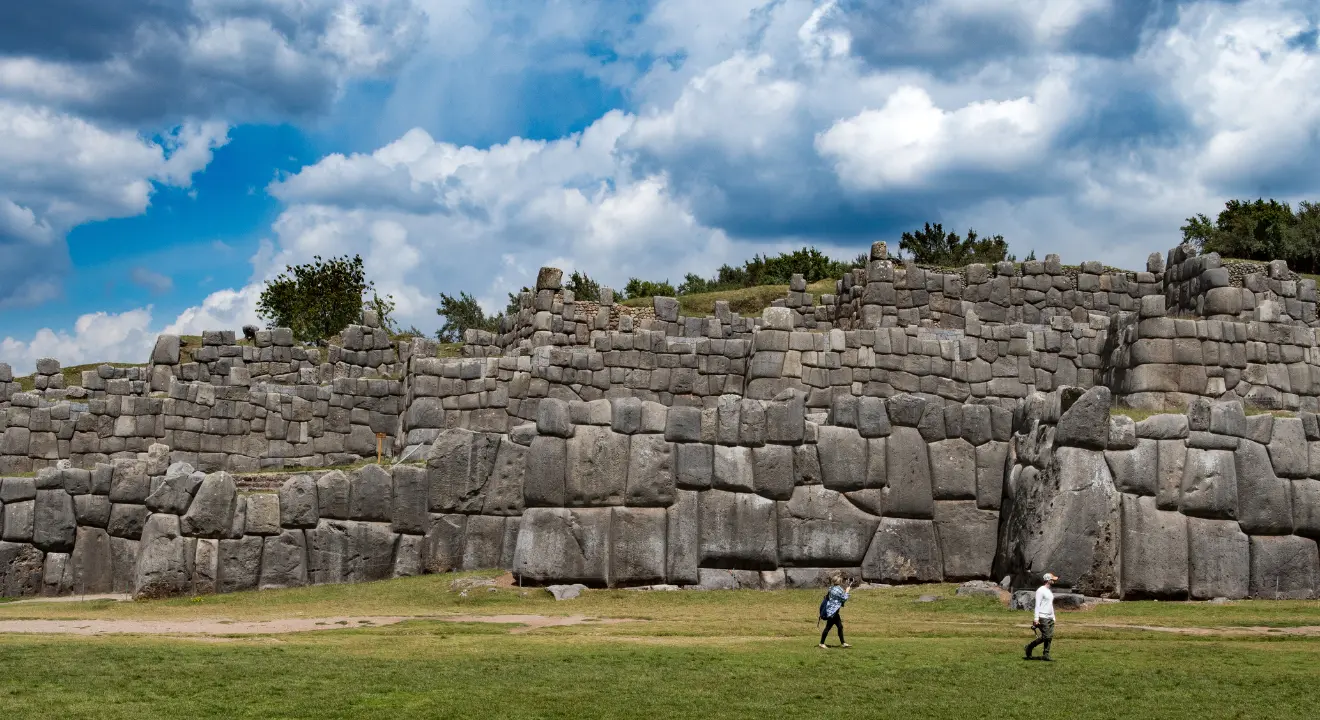
When visiting Sacsayhuamán, the first thing that draws attention is its giant stone walls, assembled with millenary precision. These enormous blocks, some up to 9 meters long, were placed without mortar and still amaze today for their perfection. Walking along these walls allows you to imagine the strength and ingenuity of the Incas, who designed them both for defense and for ceremonies.
1. Main Plaza
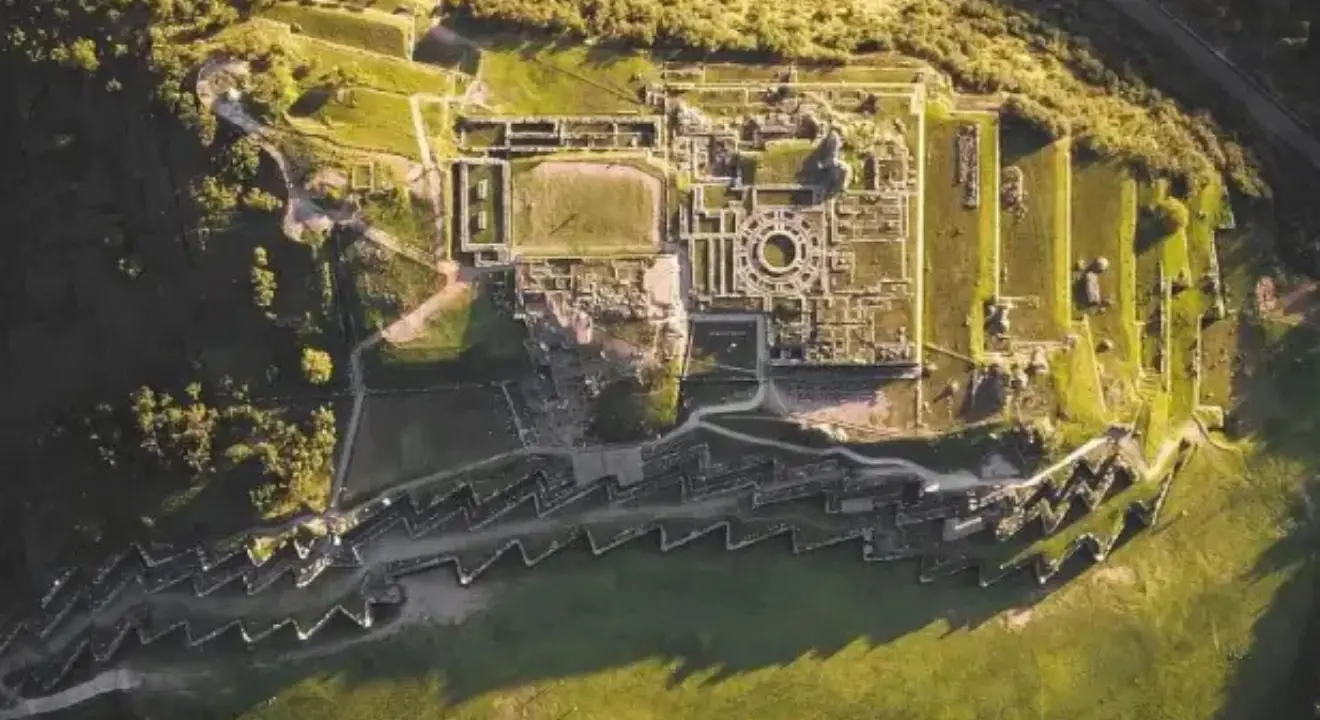
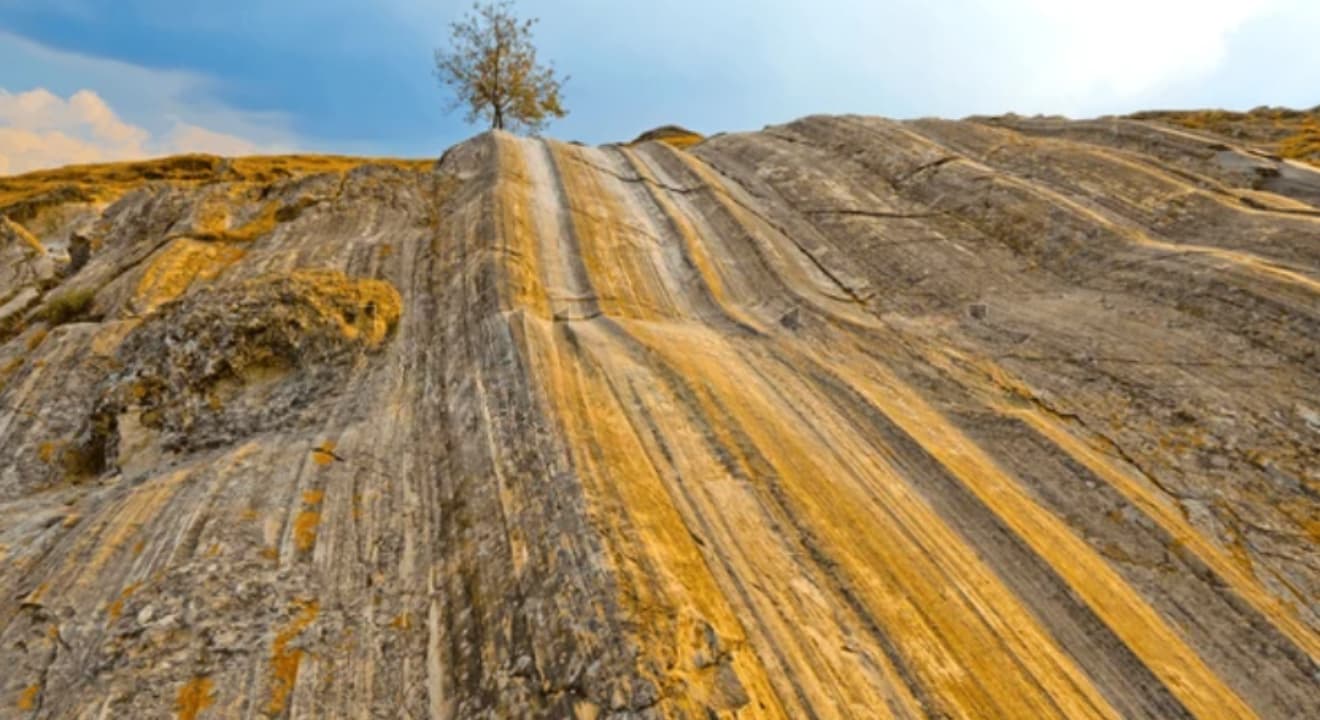
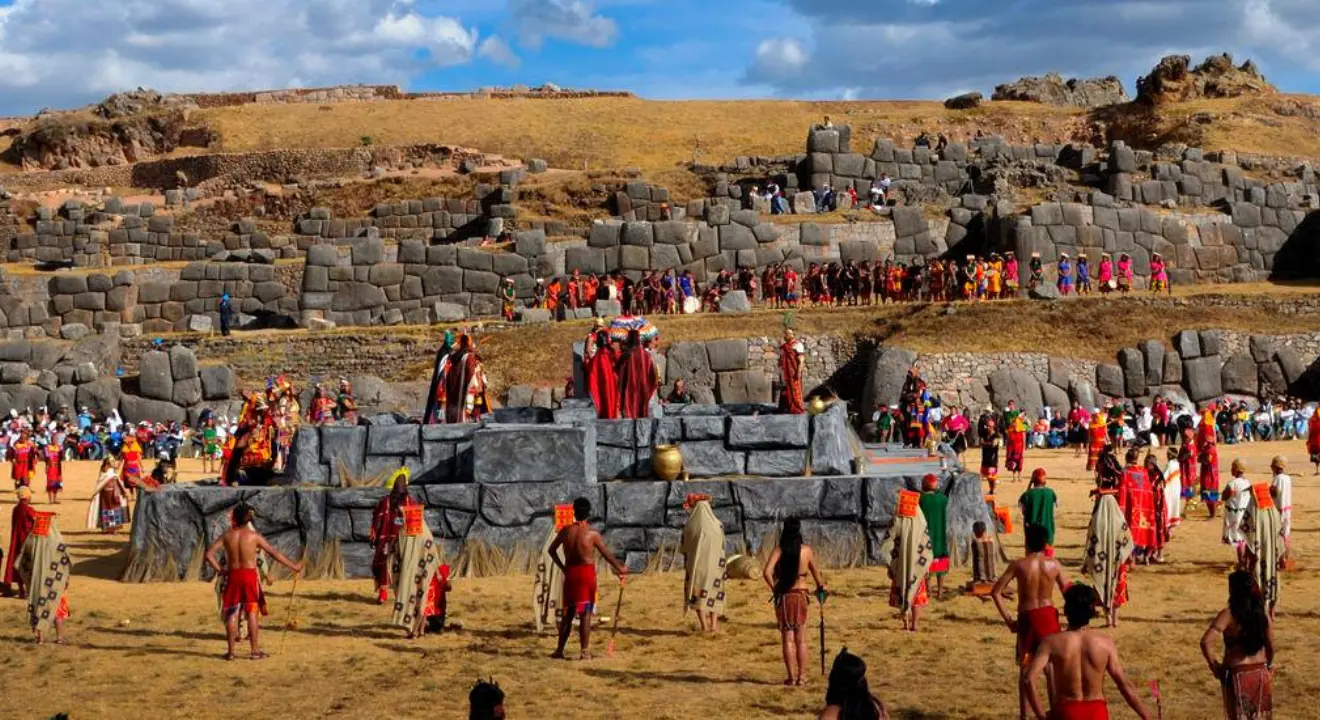
The main plaza of Sacsayhuamán is one of the must-see attractions. It was the place where important rituals were held, such as Inti Raymi, the celebration of the sun. Today, you can walk through it and feel how the ancient inhabitants filled this space with music, dance, and ceremonial energy. Its terraces and wide open areas make it a perfect setting for photographs and for connecting with the living history of Cusco. Among its curiosities stands out the stone slide, a channel carved into the rock that is believed to have been used to slide ceremonial objects or take part in rituals, adding a mysterious and fun touch that tourists love to explore.
2. Channels and drainage systems
These are a detail that many tourists do not expect to discover. These ingenious conduits allowed the control of rainwater and protected the fortress, showing that the Incas designed each construction with both practical and symbolic purposes in mind. Exploring these channels allows one to appreciate the sophistication of Inca engineering.
Among the stones of the fortress, mysterious shapes can be observed, which sometimes resemble human figures, animals, or ritual symbols. It is believed that these stones had a ceremonial or astronomical meaning, connecting the place with the Andean worldview and the cycles of nature.
3. The towers: Muyuq Marka, Sallaq Marka, and Paucarmarka
The towers and viewpoints offer spectacular views of Cusco and the Andes. From these points, one can understand the strategic importance of Sacsayhuamán, which served to watch over the city and organize defense against possible attacks. In addition, these viewpoints are ideal for capturing panoramic photos and feeling the ancestral energy that can still be perceived in every corner.
4. La Chincana – Mysterious tunnels of Sacsayhuamán
Within Sacsayhuamán there are underground passages known as the Chincana, a network of tunnels that has generated mystery for centuries. It is believed that they were used for ceremonial and strategic purposes, and exploring them without a guide is not recommended.
5. The Inca’s Throne – Seat of power
Carved directly into the rock, the Inca’s Throne was used by the ruler to preside over important rituals and ceremonies. From this point, the entire Sacsayhuamán complex can be visually dominated, reinforcing its symbolic power and its connection with the city of Cusco.
6. The Stone Slide – Sacsayhuamán, Cusco
Located within the archaeological complex of Sacsayhuamán, this impressive natural space known as Suchuna is a naturally inclined and polished rock formation. It is believed that it was used by the Incas for ceremonial and recreational purposes. Today, it is one of the most visited points of the archaeological park thanks to its unique structure and the panoramic view it offers of the city of Cusco. Its historical and cultural importance makes it a prominent attraction of Andean heritage.
 7. Visiting hours at Sacsayhuamán
Sacsayhuamán is open every day from 7:00 a.m. to 5:00 p.m., offering visitors ample space to explore its plazas, walls, and viewpoints.
It is recommended to arrive early, between 7:00 and 9:00 a.m., to avoid crowds and take advantage of the best light for panoramic photos.
The last entry is allowed until 4:30 p.m., ensuring enough time to explore the complex calmly.
8. Festivities at Sacsayhuamán
- June 24 – Inti Raymi: The most well-known celebration at the site. It is a spectacle that revives Inca rituals dedicated to the Sun god and marks the winter solstice in the southern hemisphere. Ideal for those who want to see living tradition and color.
- September – Warachikuy: (date varies, usually the third Sunday of the month)
An ancient initiation rite of young Inca warriors, now recreated as a cultural event. Students perform physical and symbolic trials, offering a show full of strength and tradition. - August 1 – Haywarikuy: A ceremony of connection with Pachamama, Mother Earth. It is held at Sacsayhuamán and nearby areas, focusing on rituals that honor nature and Andean spirituality.
How to enter Sacsayhuamán: Ticket Guide
To visit Sacsayhuamán and other attractions in Cusco, you need to purchase the Cusco Tourist Ticket, available in Integral or Partial mode. This ticket allows you to access several archaeological sites and plan your visit according to your itinerary and available time. Below, we show you the prices and what each option includes, updated for 2025–2026.
| Ticket Type | Name | Price S/. | Price USD | Includes / Validity |
|---|---|---|---|---|
| Foreigners | Integral Ticket (BTCI Adult) | 130 | 35 | Sacsayhuamán + 15 attractions, 10 days |
| Foreigners | Student (BEE) | 70 | 19 | Sacsayhuamán + 15 attractions, 10 days |
| Foreigners | Partial Ticket I (BTCPI) | 70 | 19 | Sacsayhuamán, Q’enqo, Puca Pucara, Tambomachay, 1 day |
| Peruvians | Integral Ticket (BIN Adult) | 70 | 19 | Sacsayhuamán + 15 attractions, 10 days |
| Peruvians | Student (BEN) | 40 | 11 | Sacsayhuamán + 15 attractions, 10 days |
| Peruvians | Partial Ticket I (BTCPS) | 40 | 11 | Sacsayhuamán, Q’enqo, Puca Pucara, Tambomachay, 1 day |
Cusco Gastronomy Near Sacsayhuamán
1. OQRE – Gourmet dinner in a historic palace
Located inside the Belmond Monasterio Hotel, OQRE offers an elegant and sophisticated dining experience. Ideal for a special dinner after visiting Sacsayhuamán. Here, Peruvian dishes are reinterpreted with an international style: ceviches with modern presentation, juicy meats accompanied by innovative sauces, and desserts that combine local flavors with haute cuisine techniques. Just a 5-minute walk from the Plaza de Armas, it is perfect if you are looking for luxury and flavor in one place.
2. KUSYKAY Peruvian Craft Food – Haute cuisine with an Andean heart
It surprises with dishes that combine Peruvian tradition and contemporary creativity. Local ingredients such as quinoa, native potatoes, and Andean products are transformed into innovative starters and main courses, each carefully presented. Travelers highlight its tasting menus that allow you to try several regional delicacies. It is a 7-minute walk from the Plaza de Armas, very accessible for lunch after a morning of sightseeing.
3. MARE RESTAURANT – Intense flavors and impeccable presentation
It is a modern classic for those seeking gourmet cuisine with Peruvian identity. The dishes are colorful and aromatic, combining traditional techniques with modern presentations that make every bite memorable. Ideal for trying emblematic dishes with a creative twist. It is located a 10-minute walk from the Plaza de Armas, in a quiet area perfect for relaxing after visiting the ruins.
4. Rucula Peruvian Restaurant – Contemporary cuisine with local roots
Rucula blends traditional Peruvian flavors with modern touches. Each dish tells a story: reinvented lomo saltado, ceviches with surprising twists, and creative vegetarian options. The atmosphere is warm and modern, perfect for tourists who want to enjoy food in style. It is located 5–7 minutes walking from the Plaza de Armas, accessible and welcoming.
5. Casa Cusqueña Restaurant – Tradition with a gourmet touch
This restaurant is synonymous with high-quality Peruvian dishes. Here you can enjoy traditional recipes such as cuy chactado, ají de gallina, or lomo saltado, with fresh ingredients and careful presentation. Ideal for those who want to experience local cuisine without giving up comfort and elegance. Only 6 minutes walking from the Plaza de Armas, it is perfect for a full meal after exploring Cusco.
Other gourmet and local experiences
1. Yaku Restaurant:
Peruvian Creole cuisine with a modern style; its dishes are abundant and full of flavor. It is located 8 minutes on foot from the Plaza de Armas.
2. Campo Cocina Andina:
Authentic Andean dishes with modern techniques; ideal for tasting regional flavors. A 10-minute walk from the center.
3. Uchu Peruvian Steakhouse:
Specialty in local meats with a contemporary touch, hearty and flavorful dishes. Approximately 8–10 minutes walking from the Plaza.
4. Nuna Raymi:
Ancestral cuisine with local ingredients, perfect for those seeking tradition and authenticity. A 12-minute walk from the historic center.
The Best Hotels Near the Plaza de Armas
1.Belmond Hotel Monasterio
Category: 5 stars
Location: Only 2 minutes walking from the Plaza de Armas
This hotel is a former colonial monastery restored with elegance. Its rooms combine history and comfort, with classic furniture and colonial details. It has charming inner courtyards, gourmet restaurants that reinterpret Peruvian cuisine, and first-class service.
Ideal for: Those seeking a luxury experience, living history, and a privileged location in the heart of Cusco.
2. Palacio del Inka, a Luxury Collection Hotel
Category: 5 stars
Location: 1 minute from the Plaza de Armas
This hotel combines colonial architecture with Inca elements. The rooms are spacious, with elegant and modern décor. It features a spa, gourmet restaurant, and common areas full of history. It is perfect for immersing yourself in Cusco culture without giving up comfort.
Ideal for: Travelers looking for luxury, history, and combined cultural experiences.
3. JW Marriott El Convento Cusco
Category: 5 stars
Location: 5 minutes walking from the Plaza de Armas
Located in a restored former convent, this hotel offers a modern luxury experience with history. It has spacious rooms, a gourmet restaurant, a spa, and panoramic views of Cusco. The mix of colonial architecture and contemporary comforts makes it unique.
Ideal for: Travelers who want comfort, history, and full services in an elegant environment.
4. Casa Andina Premium Cusco
Category: 4 stars
Location: 2 minutes walking from the Plaza de Armas
It combines colonial architecture with modern comforts. The rooms are cozy, decorated with regional elements. It offers a restaurant, tour service, and comfortable spaces to rest after exploring the city.
Ideal for: Those seeking a good location, comfort, and an authentic yet accessible experience.
What to bring:
- Comfortable and warm clothing
- Trekking shoes or comfortable shoes
- Hat, sunglasses, and sunscreen
- Water and light snacks
- Camera or cellphone
- Light backpack
- Passport (especially for international tourists)
What not to bring:
- High heels or formal clothing
- Unnecessary valuables
- Heavy food
- Trash (keep the place clean)
Traveler tip:
Arriving early in the morning not only avoids crowds, but also allows you to see how sunlight illuminates the giant walls, create incredible photos, and feel the ancestral energy of the fortress in tranquility
We are accredited by