
RED VALLEY: THE OTHER NATURAL WONDER OF CUSCO
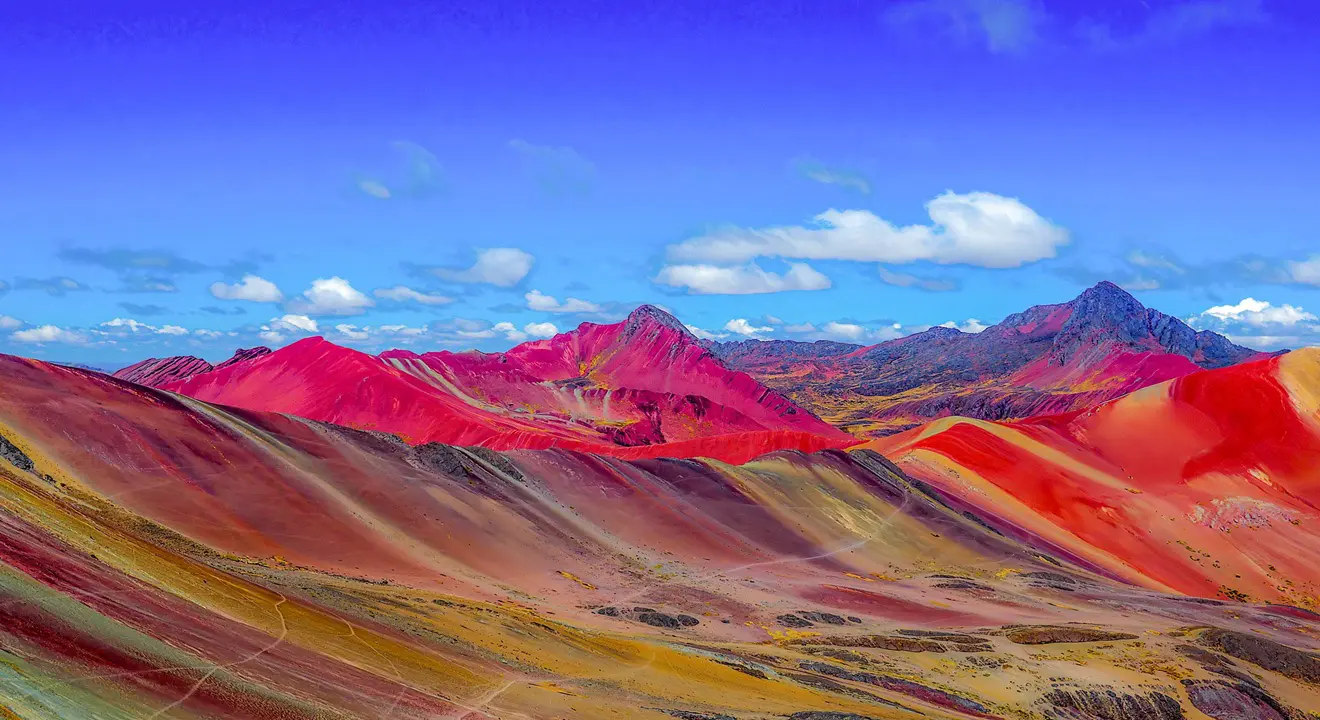
The Red Valley of Cusco is not just a destination, it is an experience that awakens the senses. Walking along its trails, the land with intense reddish tones seems to ignite the landscape, creating a spectacular contrast with the Andean sky and the surrounding mountains. It is a little-visited, quiet, and powerful place, where nature is shown in its purest state.
If you are planning your visit to Cusco, here you will discover how to get to the Red Valley, whether on your own or with a tour, the best time to visit, and practical tips to enjoy the experience without spending too much.
 Ready to explore one of the most surprising landscapes of the Andes?
History
The history of the Red Valley of Cusco is linked to the ancient Andean cultures that inhabited this region before and during the Inca Empire. This valley was used as a transit and grazing area by highland communities, forming part of secondary routes that connected areas near Ausangate and Vinicunca.
For the Andean peoples, the red color of the soil had a spiritual meaning, associated with Pachamama and the strength of the earth. Thanks to its isolation, the Red Valley has been preserved almost intact, maintaining its natural and cultural value to this day.
Today, the Red Valley represents not only a geological spectacle but also a silent testimony of the ancestral relationship between humans and the mountains in the Cusco Andes.
The secret behind the color of the Red Valley
The red color of the Red Valley of Cusco is due to the high concentration of minerals, especially iron oxides, present in the soil and rocks. Over thousands of years, these minerals oxidized upon contact with air and water, giving rise to the intense reddish tones, similar to the color of rust.
This natural process was reinforced by erosion from wind, rain, and mountain snowmelt, which shaped the landscape and exposed the mineral layers. The altitude, extreme climate, and sparse vegetation allow the red color to remain visible and so intense.
For this reason, the Red Valley appears like a “painted” landscape, especially in the early morning or at sunset, when sunlight further enhances its colors.
Where is the Red Valley of Cusco?
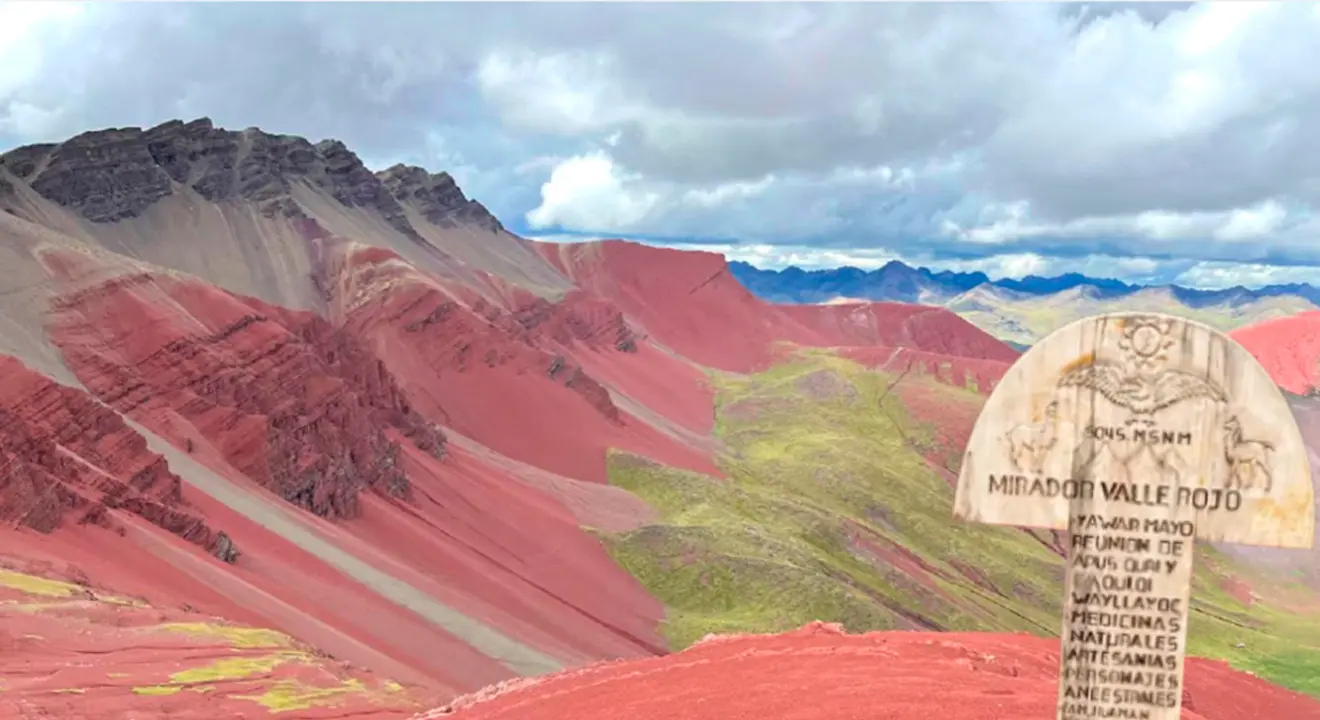
The Red Valley of Cusco is located southeast of the city of Cusco, in the district of Pitumarca, province of Canchis. It is situated approximately 100 kilometers from Cusco, which is equivalent to a trip of around 2 to 3 hours by road, passing through high Andean landscapes and rural communities.
This impressive valley rises more than 5,000 meters above sea level, which explains its cold climate and rugged environment. It is located only 7 kilometers from the town of Pitumarca and very close to the Rainbow Mountain (Vinicunca), so it is often visited as a less crowded alternative or complement.
Thanks to its location and natural beauty, the Red Valley is an ideal destination for those seeking adventure, hiking, and extraordinary landscapes, far from traditional tourist routes.
Routes and transportation to visit the Red Valley
Visiting the Red Valley is easier than you think, and you have several options depending on your travel style:
1. On your own
From Cusco, head to the Bus Terminal on Av. Huayruropata and take a bus to Sicuani. After a trip of approximately 2 hours, get off in the town of Pitumarca, where the fare costs between 10 and 15 soles.
From Pitumarca, you can take a local shared taxi to the community of Japura for 20 to 30 soles, and from there start a 1 to 2-hour hike to reach the valley. This route, in addition to being economical, allows you to enjoy the high Andean landscape and experience the life of local communities, being the favorite option of adventurous travelers.
2. Through an organized tour
If you prefer comfort and convenience, several agencies in Cusco offer tours to the Red Valley that include transportation, a professional guide, and in some cases, meals. This alternative is ideal for those who want to make the most of the visit, learn about the history and geography of the place, and enjoy a safer and more organized experience.
Traveler tip: Phone and internet signal in the Red Valley is very weak or nonexistent, so it is recommended to download offline maps, inform someone about your route, and carry external batteries. This will allow you to enjoy the hike and take photos without worries.
3. From Rainbow Mountain (Vinicunca)
If you have already reached Rainbow Mountain (Vinicunca), the Red Valley is very close and easy to visit on the same day. From the top of Rainbow Mountain, you just need to follow the marked trail that connects both places.
The route is short and accessible, taking between 20 and 30 minutes, and allows you to enjoy an impressive change of landscape: moving from the intense colors of Vinicunca to the deep reddish tones of the Red Valley. That is why many travelers take the opportunity to explore both destinations in a single excursion, combining adventure, photography, and the unique experience of walking through these natural wonders of the Andes.
Discover the charms of the Red Valley of Cusco
The Red Valley is not only an impressive landscape but also a destination full of experiences for travelers:
Unique landscape colors: The main attraction is, without a doubt, its intense reddish soil, a product of minerals such as iron. The different tones change according to the light of the day, creating an almost magical setting for photography.
Hiking and trekking: Its trails offer walking routes for all levels, from easy strolls to more demanding routes, ideal for those seeking adventure and contact with nature.
Connection with Andean culture: The valley crosses ancient Andean paths and local communities where ancestral traditions and customs are still preserved. This allows visitors to learn about daily life and the living history of the Andes.
Panoramic views: From different natural viewpoints, you can see Rainbow Mountain, nearby glaciers, and the valley unfolding in a spectacle of red, orange, and ochre tones.
Combined route with Vinicunca: Many travelers take advantage of the proximity to Rainbow Mountain to visit both destinations on the same day, enjoying a contrast of landscapes found nowhere else.
Flora and fauna of the Red Valley of Cusco
The Red Valley stands out not only for its reddish landscapes but also for the life that inhabits it. As you walk along its trails, you can observe species characteristic of the high Andean mountains:
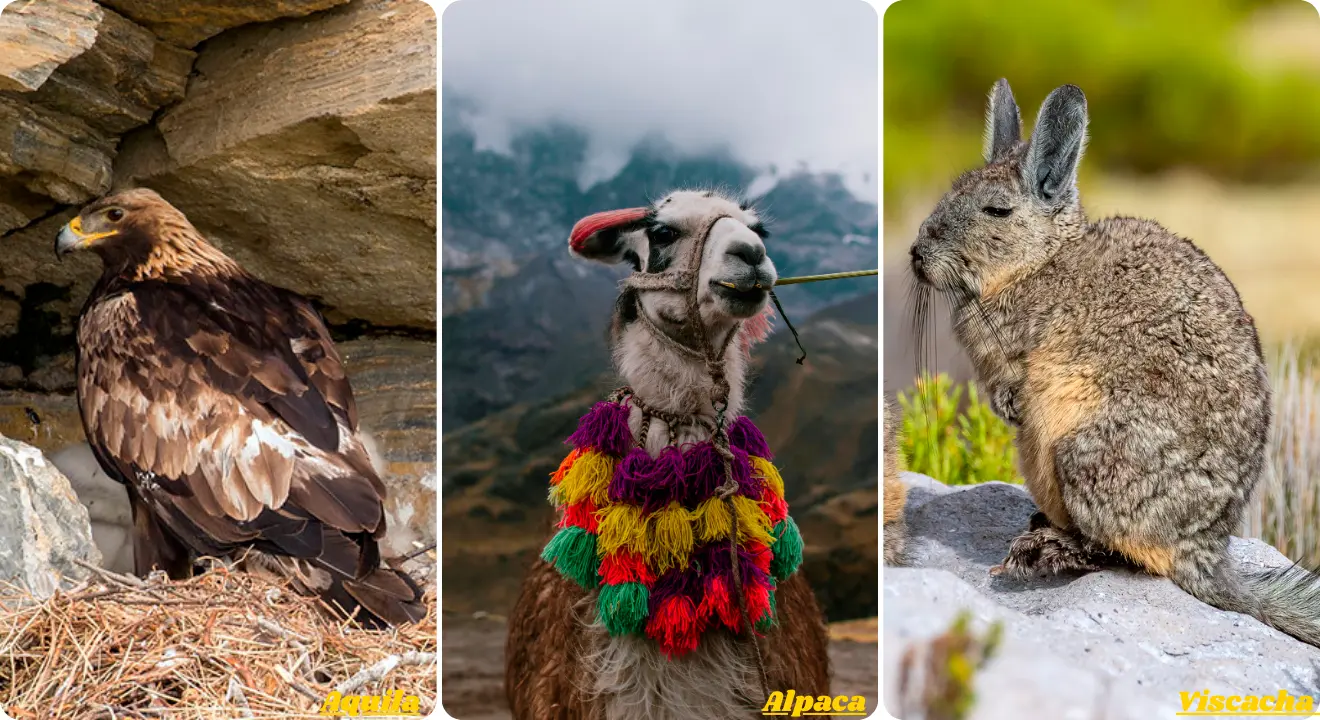
Llamas and alpacas: These typical Andean animals graze freely in the high areas, offering an authentic postcard of rural Andean life. They are also an important part of local culture, as the inhabitants raise them for wool and transport.
Condors and Andean birds: Flying over the nearby canyons and peaks, it is possible to spot condors, eagles, and other birds of prey dominating the sky. Their majestic flight adds a magical touch to the landscape.
Vizcachas and small rodents: Among the rocks, vizcachas and other small animals adapted to the extreme climate and scarce vegetation can be found. They are part of the ecosystem that maintains the natural balance of the valley.
- High-altitude flora: The typical puna vegetation is found throughout the valley, including species resistant to cold and drought such as ichu, tall grasses, and lichens. In addition, it is possible to see Puya Raimondi, an emblematic plant of the Andes that can reach several meters in height and blooms every few years, becoming a natural spectacle.
- Medicinal plants: Some local communities still use native plants from the valley for traditional remedies, connecting visitors with the ancestral knowledge of the Andean peoples.
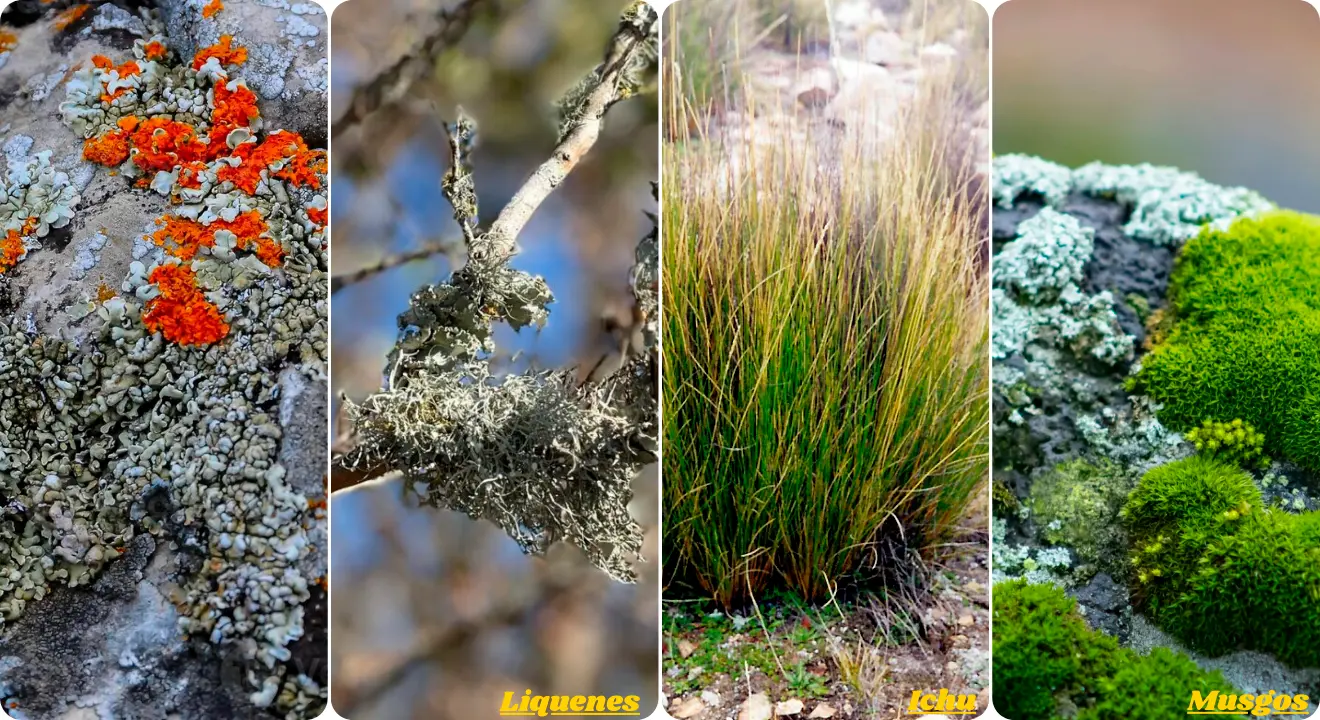
Exploring the Red Valley is not only a visual experience but also an opportunity to connect with Andean biodiversity and appreciate how the flora and fauna have adapted their lives to one of the most extreme and beautiful landscapes of Cusco.
Best time to visit the Red Valley of Cusco
The Red Valley is located at over 5,000 meters above sea level, so its climate can be extreme and variable. Knowing the right season will allow you to enjoy the valley to the fullest:
Best times to visit
- From May to September (dry season): During these months, the weather is more stable and rainfall is minimal, making the trails more accessible and safe.
- Landscapes are clearer, the sky is usually clear, and the valley’s colors are seen more intensely.
- Ideal for those seeking photography, hiking, and outdoor excursions.
Less recommended seasons
- From December to March (rainy season): Rainfall can make the paths slippery and make access to the valley difficult.
- The rains can also obscure the intense colors of the landscape and increase the risk of landslides in steep areas.
Traveler tip: Leave early in the morning to take advantage of natural light and avoid the afternoon fog. Also, wearing warm layered clothing is essential, even in the dry season, due to the low temperatures at high altitude.
We are accredited by