PISAC: RUINS, TRADITION AND LANDSCAPES OF THE SACRED VALLEY
Pisac is one of the most fascinating destinations in the Sacred Valley of the Incas. Its archaeological complex offers agricultural terraces, sacred temples, and viewpoints with panoramic views of the valley, showing the Incas’ ability to integrate architecture with nature. In addition, its handicraft market is famous for textiles, ceramics, and jewelry made by local artisans, reflecting living culture and Andean traditions.
This town combines history, impressive nature, and local hospitality, offering authentic experiences, from walking along ancestral paths to enjoying local gastronomy and local customs. Its proximity to Cusco makes it an accessible and essential stop for those seeking impressive landscapes and a connection with Inca history.
History
In addition to its agricultural and ceremonial importance, Pisac was a strategic defensive point in the Sacred Valley. It is believed that the Incas built walls and watchtowers to protect the valley from invasions and to control access to Cusco. This military function, together with its religious and agricultural role, made Pisac a multifunctional center within the Inca Empire, combining strategy, spirituality, and production.
Pisac: location, altitude, and access from Cusco
Pisac is located in a strategic area of the Sacred Valley of the Incas, northeast of Cusco, about 33 kilometers away. Its proximity to the former Inca capital makes it one of the most accessible and visited destinations for those traveling through this Andean region.
Situated at 2,972 meters above sea level, Pisac offers a milder and more relaxed environment than Cusco. This intermediate altitude allows many travelers to adapt better to the Andean climate, enjoying peaceful walks among mountain landscapes, agricultural terraces, and fresh air.
Getting to Pisac from Cusco is easy and suitable for different types of travelers. The journey by taxi or private transport takes about 45 minutes, making it the fastest and most flexible option. There are also buses and minibuses that depart frequently from Cusco and represent an economical alternative for independent travelers.
For those seeking a more complete experience, organized tours and bicycle routes allow visitors to explore the road at a relaxed pace, stop at natural viewpoints, and visit traditional villages. The journey itself is already part of the experience, offering spectacular views of the Sacred Valley and unique opportunities for photography.
Pisac: the best things to see and explore
1. Pisac Archaeological Site
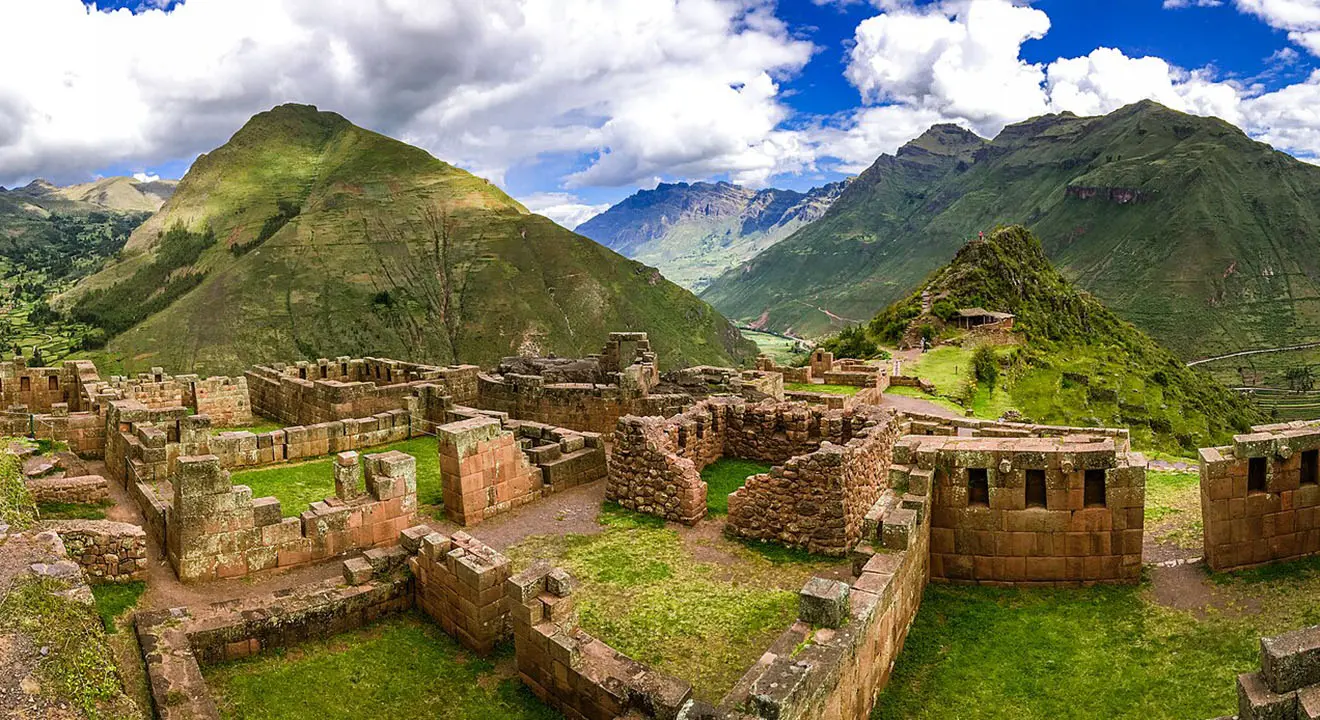
The archaeological complex of Pisac extends over the mountains of the Sacred Valley and stands out for its perfect integration with the landscape. Its constructions reveal the high level of Inca knowledge in architecture, agriculture, and territorial planning. Walking through it allows visitors to understand how the Incas adapted the city to the Andean geography.
2. Intihuatana
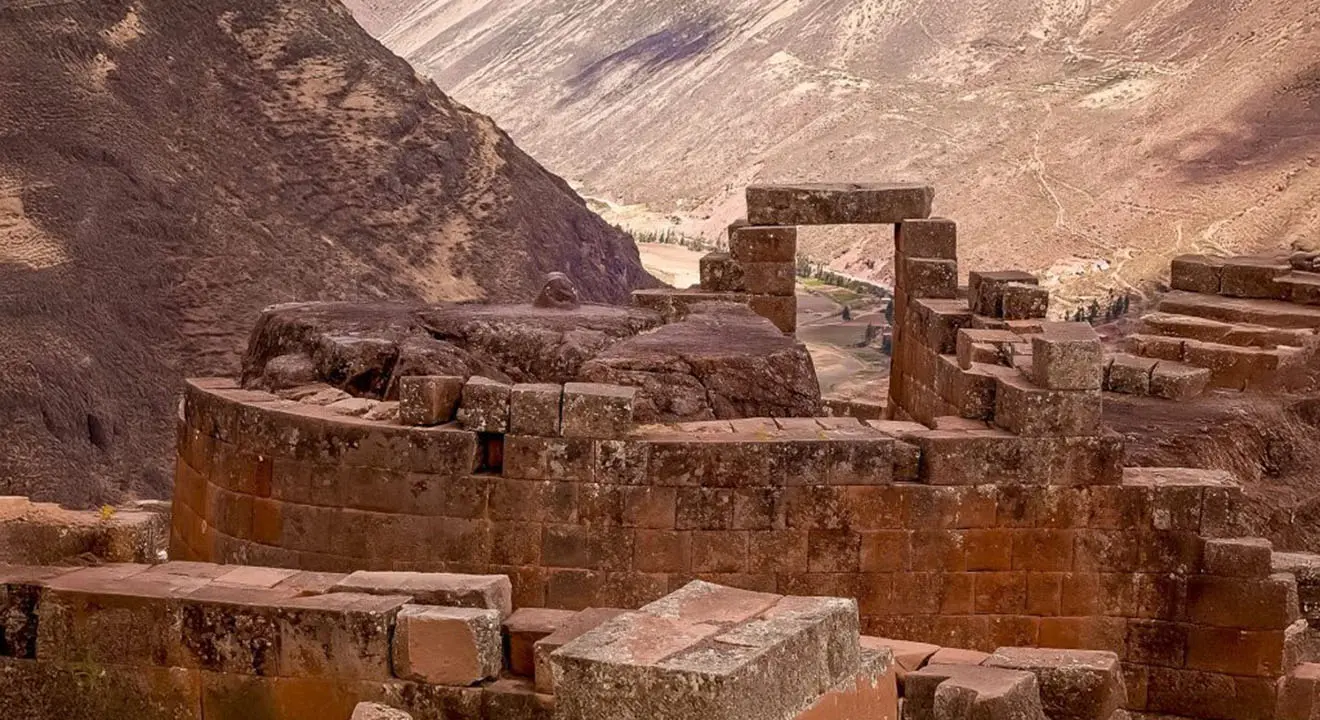
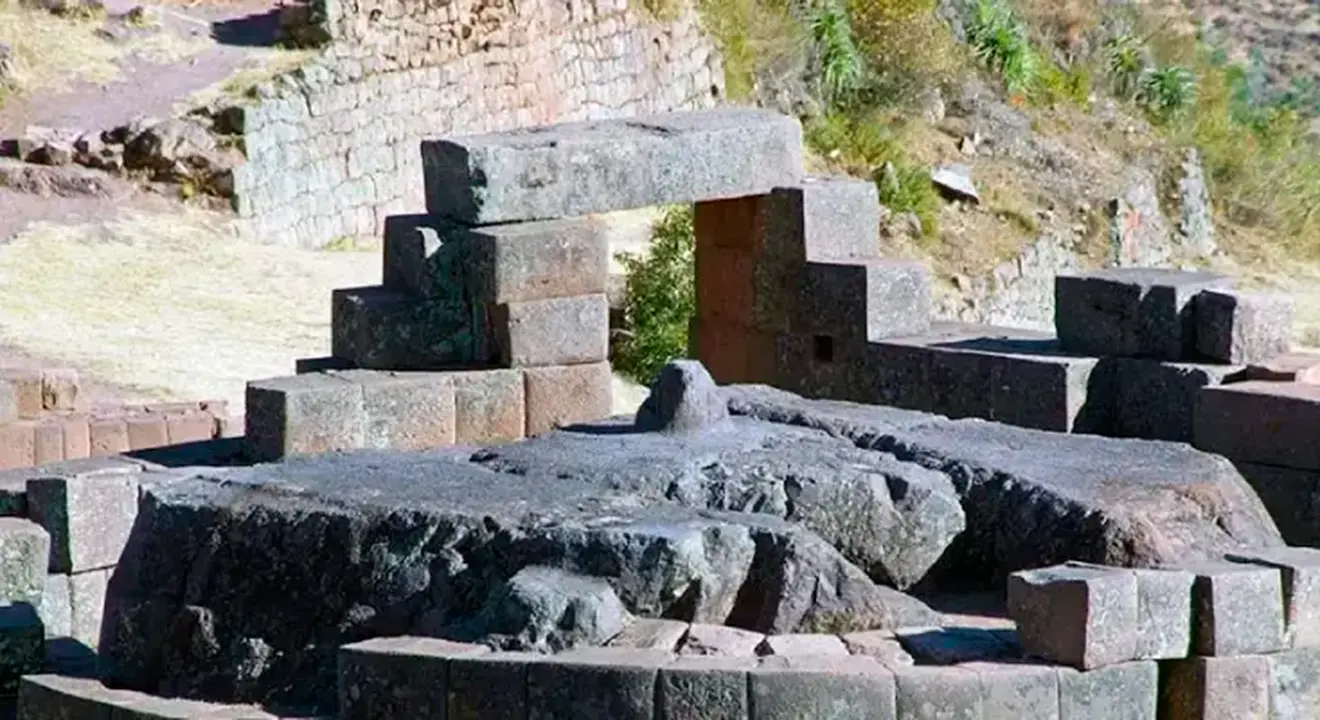
The Intihuatana is one of the most symbolic structures of Pisac. Carved directly into the rock, it functioned as a solar marker used for rituals and religious ceremonies. Its astronomical orientation demonstrates the deep relationship of the Incas with the sun and natural cycles.
2. Residential Area
This sector was designated for housing and administrative spaces. The stone buildings adapt to the mountainous terrain and offer privileged views of the valley. Here, one can appreciate how daily life coexisted with nature.
Ceremonial and Defensive Sectors
In the highest areas, there are semicircular towers and strategic walls. These spaces served ritual and surveillance functions over the Sacred Valley. From this point, some of the best panoramic views of Pisac can be obtained.
3. Funerary Area
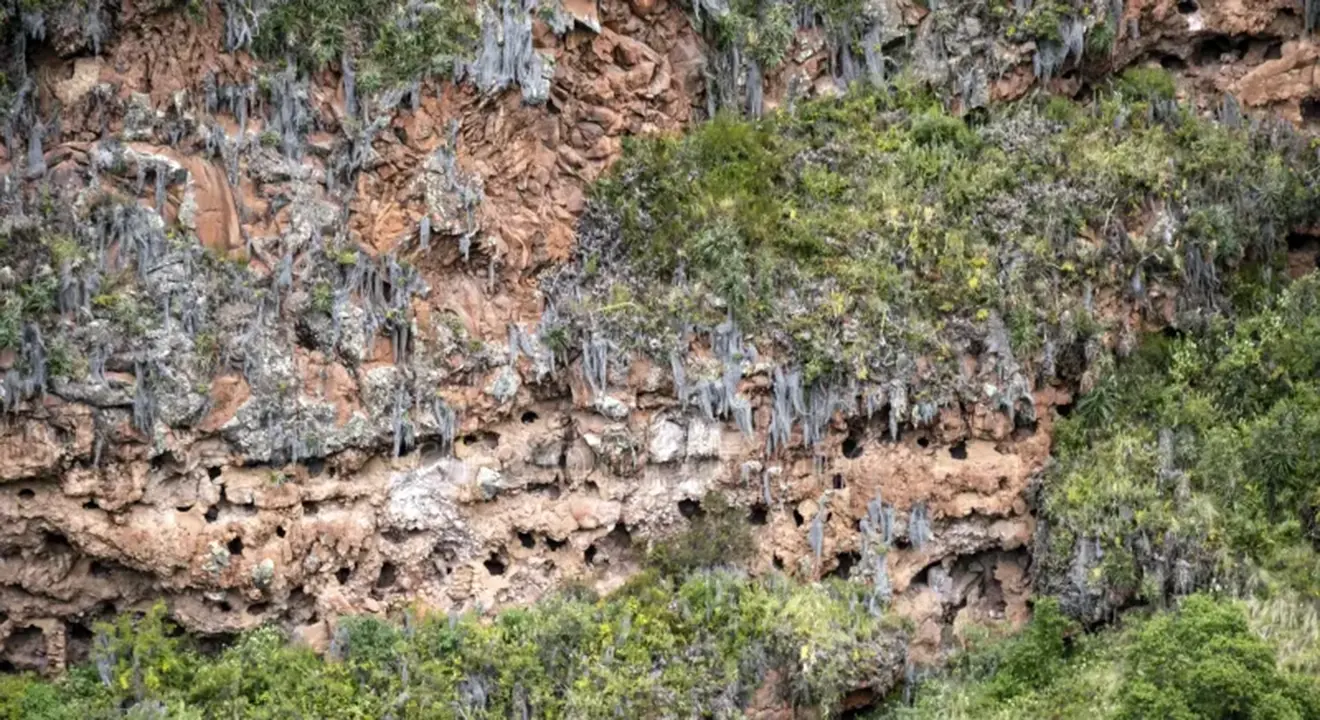
Pisac preserves one of the largest groups of tombs in the Andean world. These cavities were carved into the cliff walls and reflect the Inca respect for their ancestors. The place conveys an atmosphere of contemplation and mystery.
5. Town of Pisac
The present-day town keeps Andean traditions alive. Its main square and colonial church are cultural meeting points. On Sundays, fairs and ceremonies are held that reflect the local identity.
6. Handicraft Market
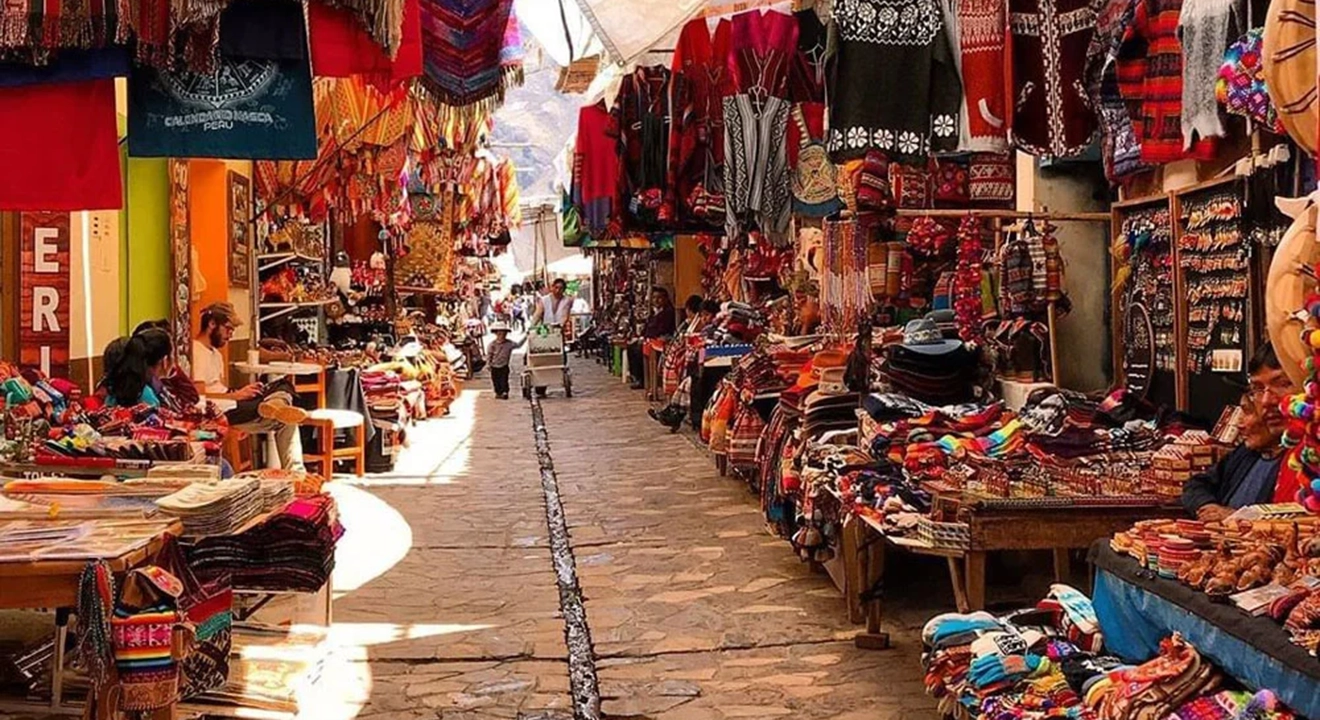
The Pisac market is famous for its color and authenticity. Here you can find alpaca textiles, ceramics, jewelry, and traditional handicrafts. It is an ideal place to learn about local art and support the communities.
7. Terraces and agricultural areas
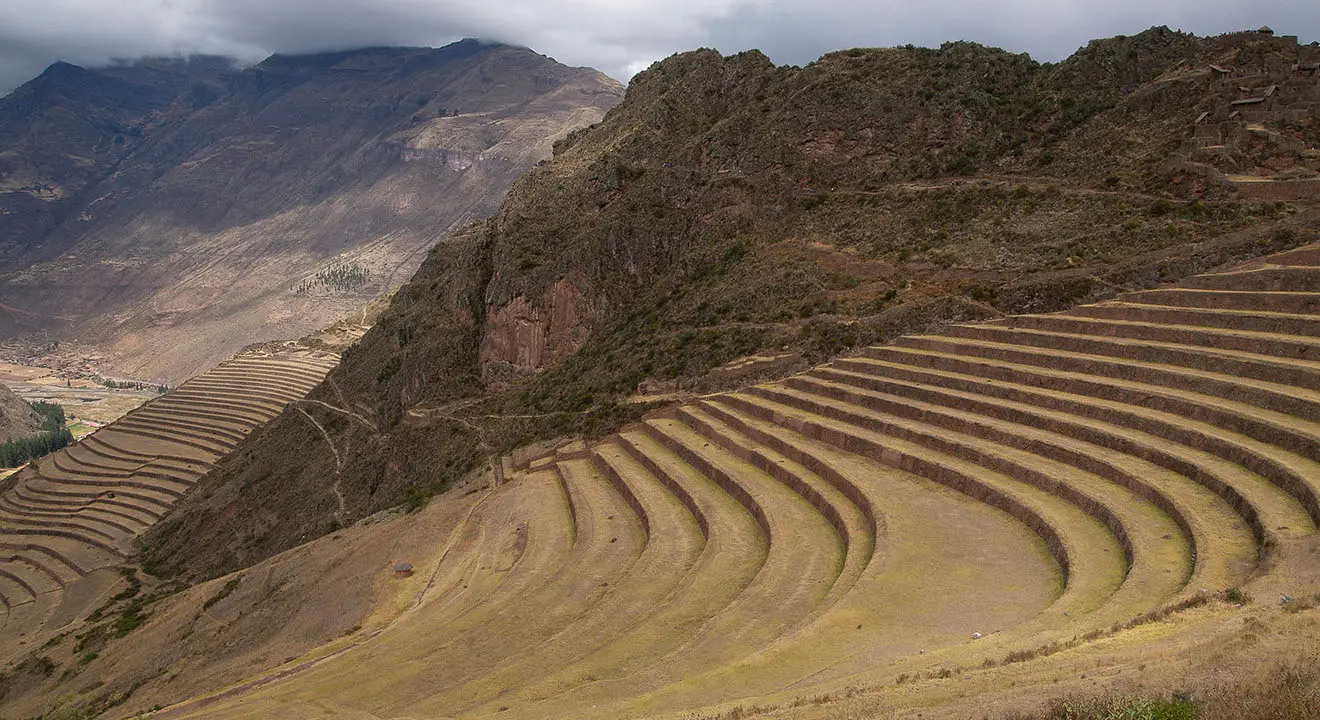
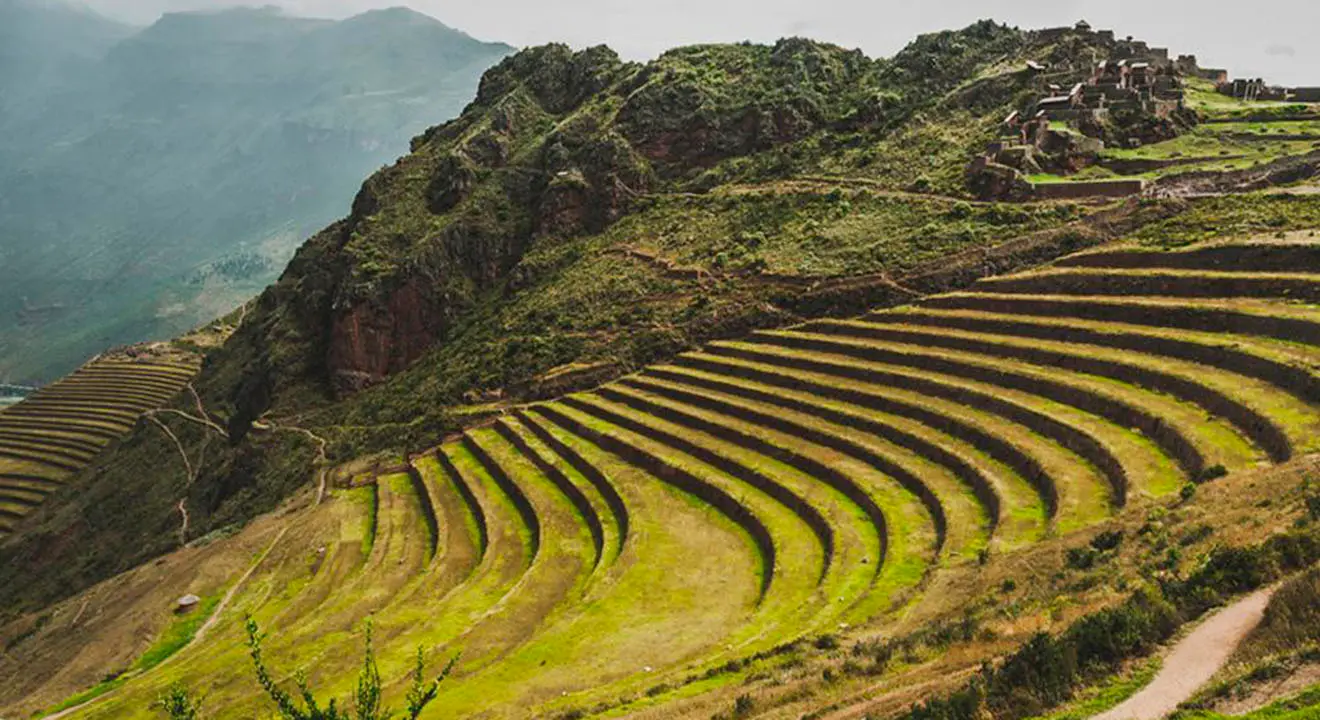
The agricultural terraces of Pisac cover much of the slopes of the complex. These platforms allowed the cultivation of various crops and prevented soil erosion. The irrigation channels are still visible and show advanced hydraulic engineering.
Ideal climate to visit Pisac
The best time to visit Pisac is during the dry season, which runs from April to October. During these months, days are usually sunny, with clear skies and pleasant temperatures, ideal for exploring the archaeological complex and walking through the town without difficulty.
During the day, the weather is mild, with temperatures ranging between 18 °C and 22 °C, while nights are cooler. May, June, and September are considered the most recommended months due to good weather and fewer rains.
The rainy season goes from November to March, with January and February being the rainiest months. Although the landscape becomes greener and more attractive, rain can make visits to the ruins and trails more difficult.
Best places to eat in Pisac
- Ultramarino Restaurante: Located near the main square of Pisac. It is one of the most recognized restaurants in town, famous for its contemporary Andean cuisine, organic ingredients, and excellent service. Ideal for relaxed lunches.
- La Chimenea Restaurante: Located in the center of Pisac, just steps from the market. It offers Peruvian and international food, handmade pizzas, and vegetarian dishes. Very popular among foreign travelers.
- Blue Llama: Located near the square and the artisan market. It is a casual restaurant with healthy, vegetarian, and vegan options. Perfect for breakfasts and light lunches.
- Cuchara de Palo: Traditional restaurant near the main square. It stands out for its typical Peruvian food, daily menu, and affordable prices. Ideal if you want to eat well and cheaply.
- Inti Restaurante: Located in the town center. It offers Peruvian dishes, vegetarian options, and natural juices. Very popular for its relaxed atmosphere and good value for money.
Best hotels in Pisac for a perfect stay
1. Pisac Inn – Hotel (★★★)
Pisac Inn is one of the most well-known and best-located hotels in town, just a few steps from the main square and the artisan market. It offers comfortable rooms, a cozy atmosphere, and its own restaurant highly rated by travelers. It is ideal for tourists who want to move around Pisac on foot and easily visit the ruins. It accepts independent guests and travelers from any tour agency.
2. Hotel Pisac Inca Guest House – Boutique Hotel (★★★)
This hotel combines comfort, peaceful gardens, and friendly service. It is located in a central and quiet area, perfect for resting after touring the Sacred Valley. Although its name includes “Guest House,” it operates as a boutique hotel and welcomes independent travelers and organized tours. Highly recommended for its cleanliness and hospitality.
3. The Tranquility Hotel Pisac – Hotel (★★★)
As its name suggests, this hotel stands out for its serene and relaxing atmosphere. It is designed for travelers seeking rest, pleasant views, and good service. It offers well-equipped rooms and quiet spaces. It is a formal hotel, open to all types of tourists and highly rated by couples and cultural travelers.
4. Shanti Hotel Pisac – Hotel (★★★)
Shanti Hotel Pisac is an excellent option for its value for money. It offers comfortable rooms, friendly service, and a family atmosphere. It is well located for exploring the town and its surroundings. It is accessible for independent travelers, backpackers, and tourists traveling with agencies.
5. Hotel Inka Pisac – Hotel (★★★)
This hotel is located in a strategic area of town, allowing easy walking access to restaurants, shops, and tourist sites. It offers simple but comfortable rooms, good service, and a welcoming environment. It is a practical option for those who want to explore Pisac easily and with free access for any visitor.
6. Florencio Casa Hacienda – Tourist lodging / Rural hotel (★★★)
Florencio Casa Hacienda offers a more traditional experience, with Andean architecture, local decoration, and a peaceful setting. Although it is not always listed as a classic hotel, it operates as a formal and well-rated tourist accommodation. It is ideal for those seeking an authentic stay and contact with local culture, welcoming all types of travelers.
What to bring to Pisac
- Comfortable and light clothing
- Jacket or warm layer (cool mornings and afternoons)
- Comfortable sneakers or trekking shoes
- Cap or hat
- Sunglasses
- Sunscreen
- Water and snacks
- Cash (small bills)
- ID card or passport
- Cusco Tourist Ticket (BTC)
- Small backpack
- Phone or camera with fully charged battery
What not to bring to Pisac
- Large or very heavy backpacks
- Jewelry or unnecessary valuables
- Large amounts of cash
- Alcoholic beverages
- Speakers or loud music
- Drones without permission
- Trekking poles with metal tips
- Sandals or slippery footwear
- Uncomfortable clothing for walking
Fun facts
- The name Pisac comes from the Quechua word P’isaqa, meaning partridge, an Andean bird; from above, the archaeological complex has the shape of this animal.
- Pisac has one of the largest Inca cemeteries in the Sacred Valley, with tombs carved into the cliffs.
- Its agricultural terraces are still in use today, demonstrating Inca agricultural engineering.
- The Intihuatana of Pisac functioned as a solar clock to mark solstices and sacred ceremonies.
- The artisan market of Pisac is one of the oldest and most traditional in Cusco, famous for authentic textiles.
- Every Sunday, a Mass in Quechua is celebrated in the town’s colonial church.
- Pisac was an important spiritual and military center, not only agricultural.
- From the ruins, you can enjoy some of the best panoramic views of the Sacred Valley.
We are accredited by