MACHU PICCHU – THE LOST CITADEL OF THE INCAS
If you are thinking about visiting Machu Picchu, you’ve come to the right place. This legendary Inca citadel is not only one of the most impressive destinations in the world, but also a unique experience that combines history, nature, and spirituality in a single place. Suspended among mist-covered mountains, Machu Picchu amazes visitors from the very first moment with its masterful architecture and perfect harmony with the Andean landscape.
Built in the 15th century, this Wonder of the World was an important ceremonial and political center of the Inca Empire, and to this day it remains a fascinating mystery for travelers from around the globe. Every temple, terrace, and pathway reveals the advanced Inca knowledge of engineering, astronomy, and urban planning, as well as their deep respect for Pachamama and the natural elements.
HISTORY
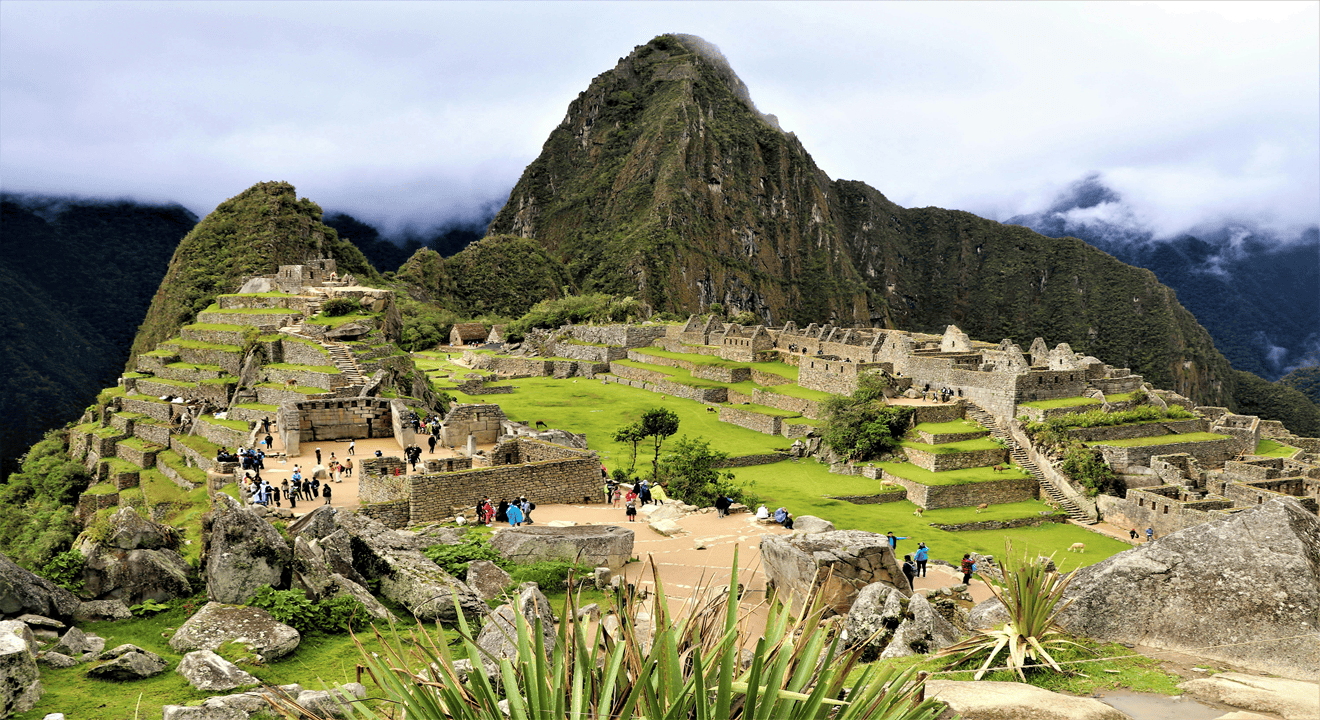
Machu Picchu is an ancient Inca city located high in the Peruvian Andes. Built in the 15th century during the reign of the Inca Pachacútec, Machu Picchu was a highly planned city that functioned as a ceremonial center, royal residence, and astronomical observatory. Its strategic design, hidden among sacred mountains, allowed it to remain unknown for centuries, even to the Spanish conquistadors.
Today, Machu Picchu is a UNESCO World Heritage Site and one of the New Seven Wonders of the World, a symbol of Inca greatness and Peru’s cultural legacy.
Location: Machu Picchu is located in the Cusco region, at 2,430 meters above sea level, surrounded by mountains considered sacred such as Huayna Picchu, Putucusi, and Machu Picchu Mountain. From there, the Incas observed the movement of the Sun, the stars, and the cycles of nature.
ARCHITECTURE AND STRUCTURE
Machu Picchu stands out for its impressive Inca engineering and architecture, designed in harmony with nature and the surrounding mountains. Its construction uses the technique of finely polished stone masonry, with blocks that fit together perfectly without mortar, which gives it great earthquake resistance and has allowed the city to be preserved for centuries.
During your tour of Machu Picchu, you will be able to discover the most outstanding places.
1.Temple of the Sun
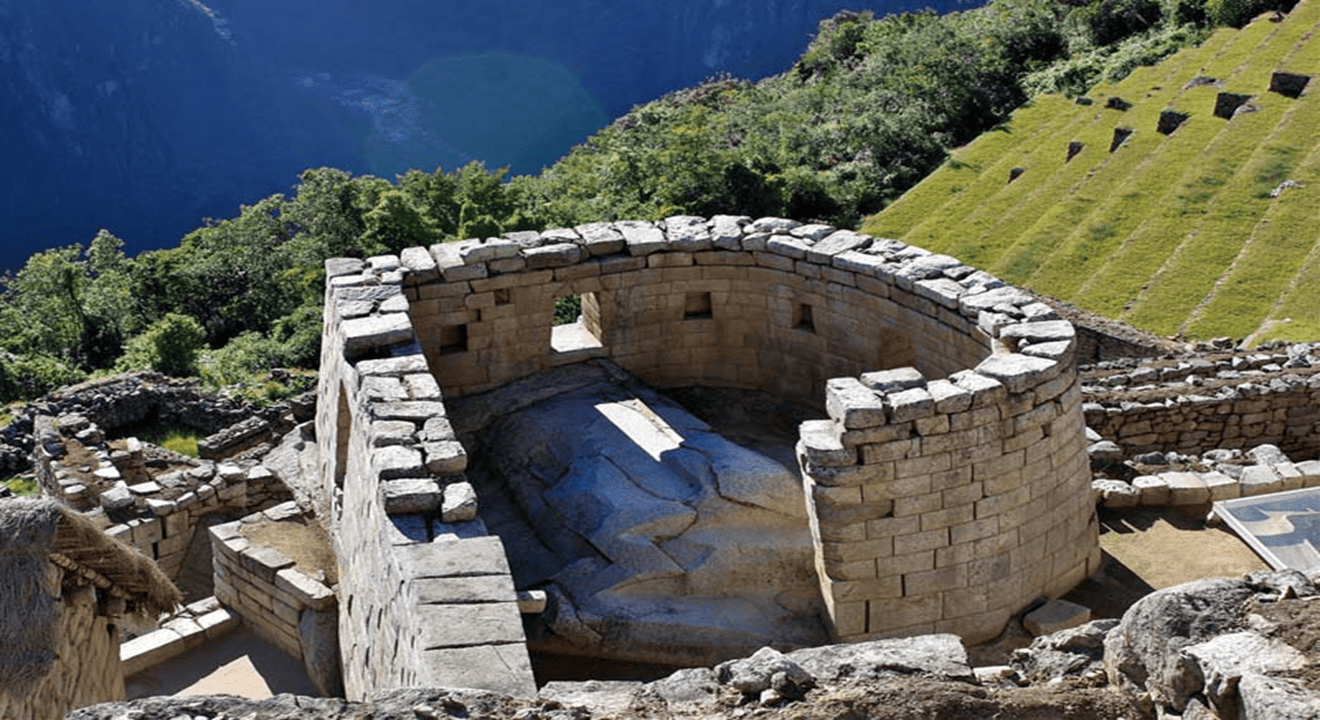
The Temple of the Sun receives this name because it was directly dedicated to the god Inti, the supreme deity of the Inca Empire. For the Incas, the Sun was the origin of life, the order of time, and the fertility of the earth. This temple stands out for its semicircular shape, an uncommon type of architecture that demonstrates its sacred character.
Its design was not accidental: during the winter solstice, the rays of the sun enter through one of its windows and illuminate a specific point inside, which confirms its astronomical and ceremonial function. In this space, religious rituals, offerings, and ceremonies related to agricultural cycles were performed. Beneath the temple there is a funerary cave, which reinforces its spiritual character and its connection between life, death, and the cosmos.
2.Intihuatana
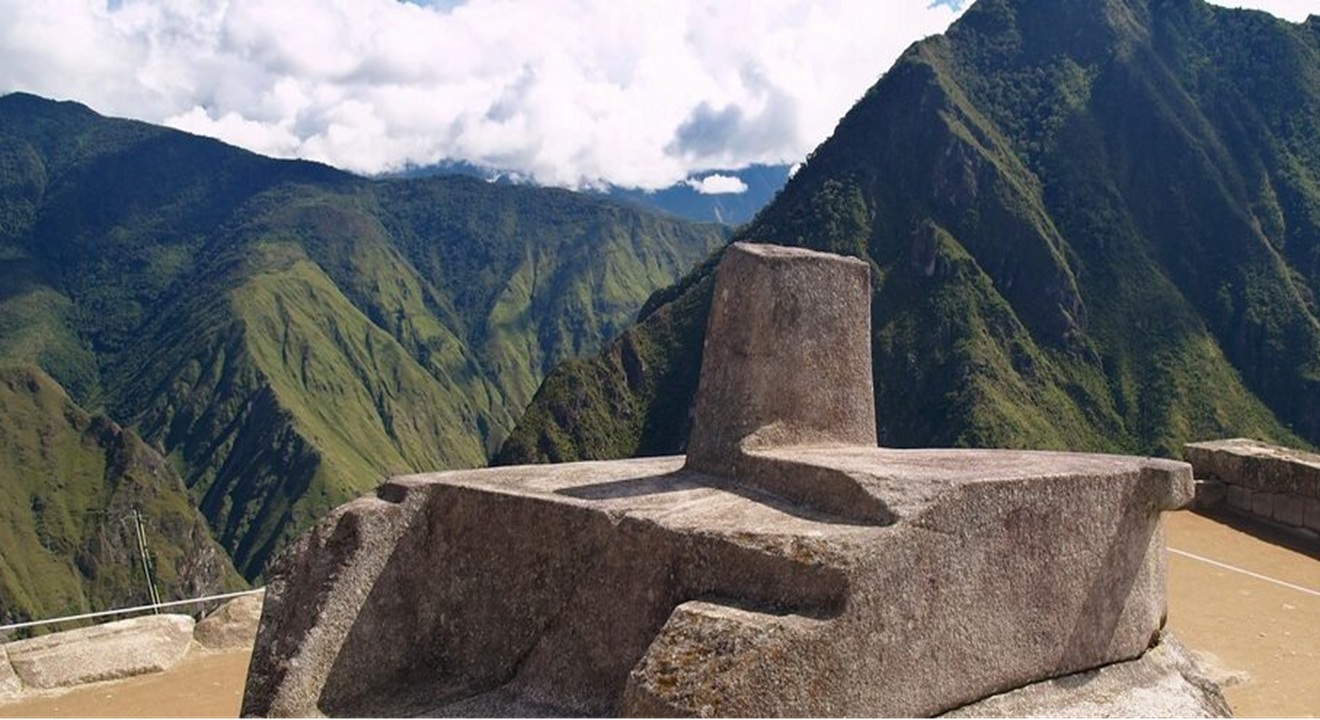
The name Intihuatana comes from Quechua and means “the place where the sun is tied.” The Incas symbolically believed that through this monolith they could prevent the sun from moving away during winter, thus ensuring the continuity of life.
This place functioned as an astronomical observatory, allowing priests to measure the movement of the sun and mark the changes of the seasons, which were essential for agriculture. It was also a sacred space where only people of high religious rank were allowed to enter. Today, it is considered one of the places with the greatest spiritual energy in Machu Picchu.
3.Temple of the Three Windows
This temple gets its name from its three large trapezoidal windows, perfectly carved. According to the Inca worldview, these windows represent the three worlds:
Hanan Pacha (world of the gods):
Hanan Pacha was the upper world, the realm of the gods and the stars, where the Sun God (Inti), the Moon, the stars, and the apus lived. It represented order, light, and the sacred, and was associated with birds such as the condor, the messenger between heaven and earth.
Kay Pacha (world of the living):
Kay Pacha was the world of the present, the space where humans, animals, and plants live. Daily life, agricultural work, and coexistence with nature took place here. This world symbolized balance and was represented by the puma, an animal of strength and power.
Ukhu Pacha (inner or spiritual world):
Ukhu Pacha (or Uku Pacha) was the inner or lower world, related to the origin of life, death, and the spiritual realm. It was not seen as something negative, but as a space of transformation and rebirth. It was associated with the serpent, a symbol of wisdom and connection with the earth.
It is believed that this temple was linked to rituals of origin and creation, possibly related to the founding myths of the Inca Empire. Its location within the Sacred Plaza reinforces its ceremonial and symbolic importance.
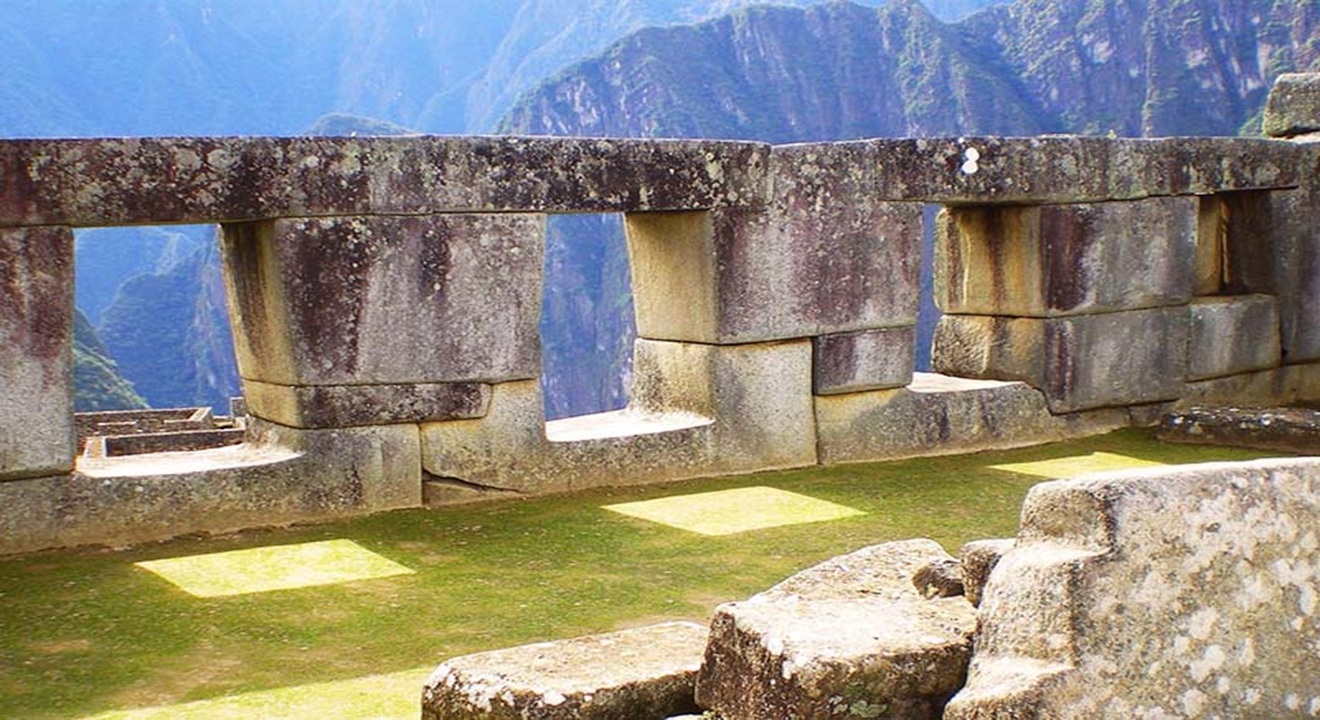
4.Sacred Plaza
The Sacred Plaza is called this because it was the spiritual and ceremonial center of Machu Picchu. Collective rituals, religious festivities, and important ceremonies were held here, especially those related to the agricultural calendar and the worship of the sun.
Surrounded by key temples such as the Temple of the Sun and the Temple of the Three Windows, this plaza functioned as a meeting space where the religious and social identity of the Inca Empire was reinforced.
5. Royal Residence
This sector is called the Royal Residence due to the superior quality of its architecture. The walls show finer workmanship, with stones perfectly fitted together, which indicates that it was intended for the Inca and the nobility.
It is believed that this space was used as a place of rest, a temporary residence, and an administrative center when the Inca visited Machu Picchu. Its strategic location offered privacy, security, and a privileged view of the surroundings.
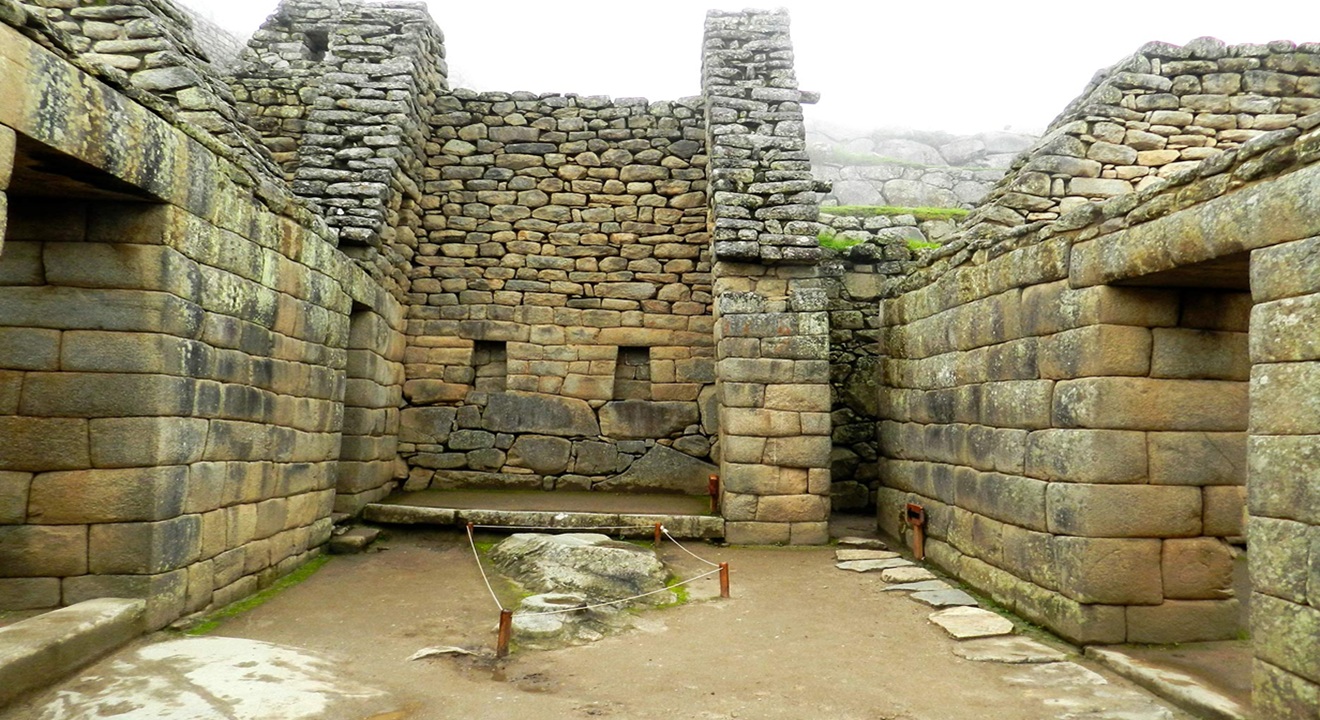
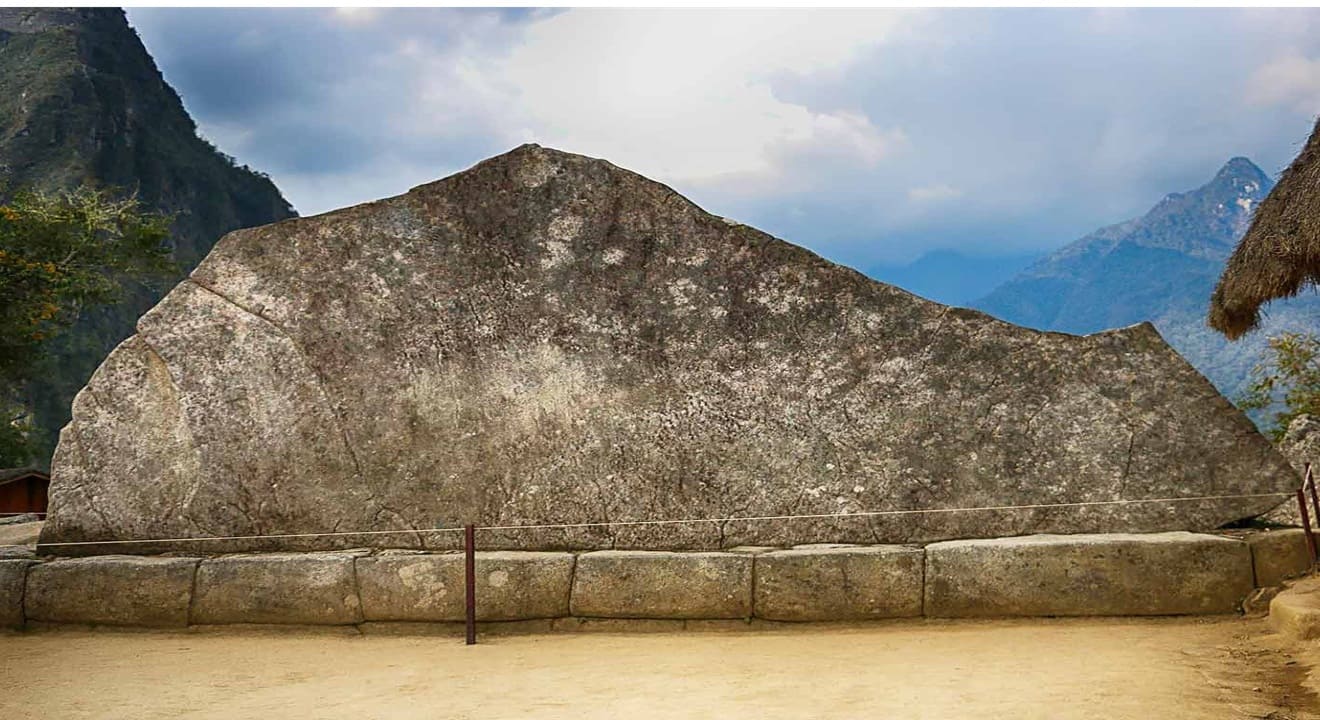
6. Sacred Rock
The Sacred Rock is a large carved monolith whose shape seems to replicate the profile of the surrounding mountains. For the Incas, the mountains or apus were protective spirits, and this rock symbolizes the direct connection between the human world and the sacred world.
Offerings, rituals, and acts of gratitude to nature were carried out here. Its location at the end of the urban sector reinforces its ceremonial and spiritual character.
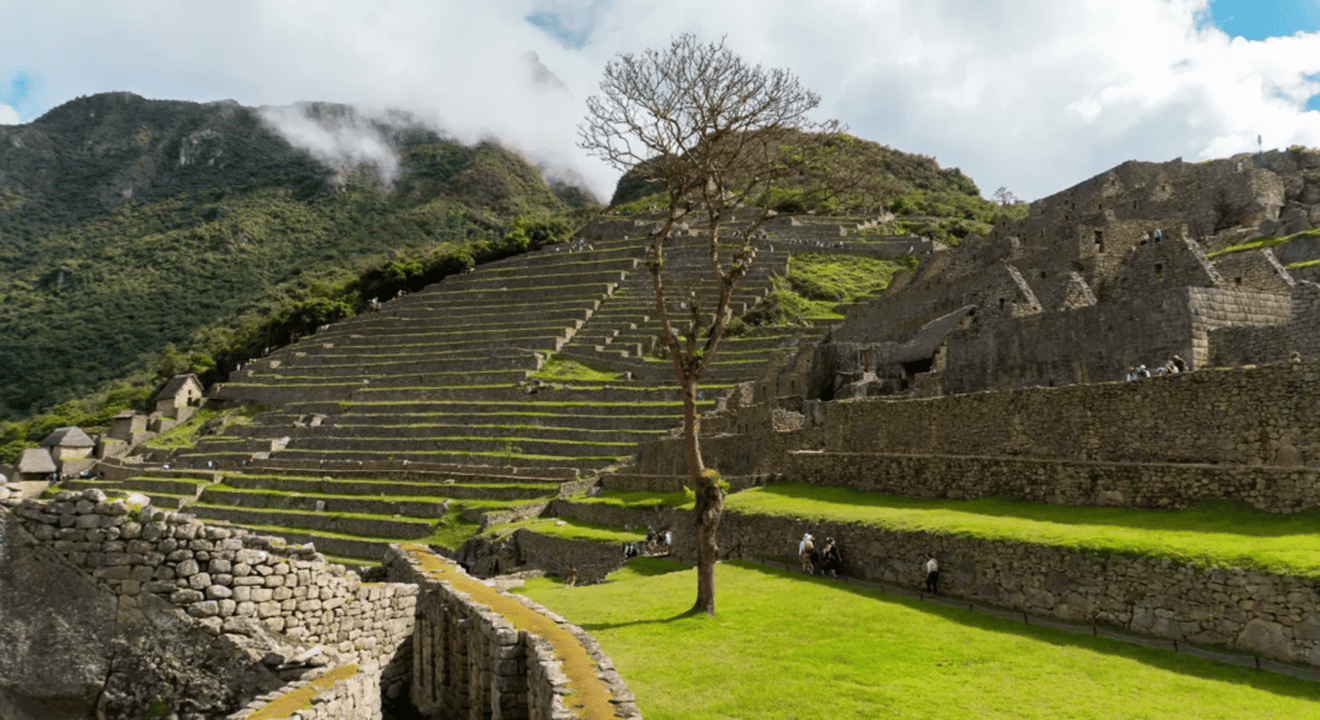
7. Agricultural Zone
The Agricultural Zone receives this name because of its extensive terraces or andenes, designed for the cultivation of crops such as corn and potatoes. These terraces had a dual function: agricultural production and erosion control.
Thanks to an advanced drainage and irrigation system, the Incas were able to adapt agriculture to mountainous terrain, demonstrating their deep knowledge of engineering and nature.
8. Quarry (Cantera)
The Quarry was the place where the Incas extracted, carved, and prepared the stones used in the construction of Machu Picchu. Here, partially worked stones can still be seen, allowing us to understand the construction process.
This sector demonstrates the technical skill of the Incas and their ability to work stone with great precision, without the use of metal tools.
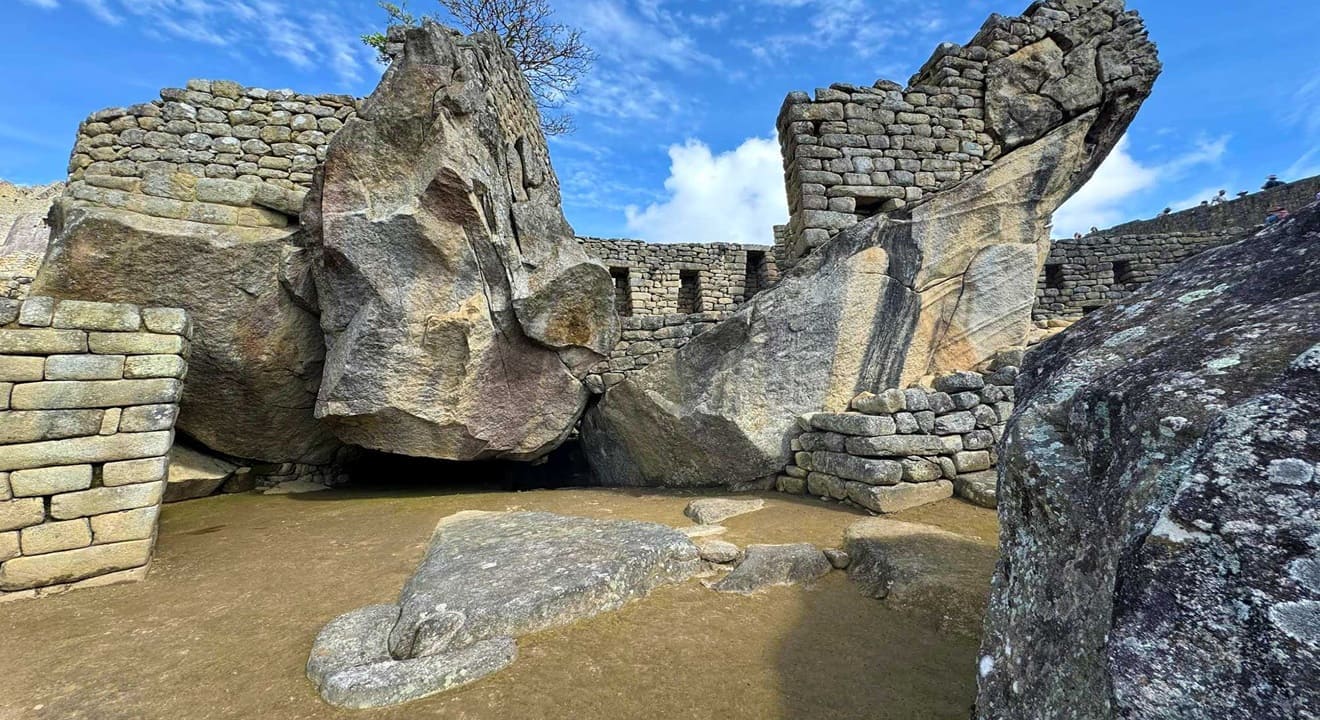
9. Temple of the Condor
This temple receives its name because its structure forms the shape of a condor, a sacred Andean bird that symbolizes the Hanan Pacha, the upper world. The design combines natural rock formations with carved stone, representing the wings and the head of the bird.
It is believed that this space was linked to spiritual rituals and possibly funerary ceremonies, reinforcing the connection between the sky and the earth.
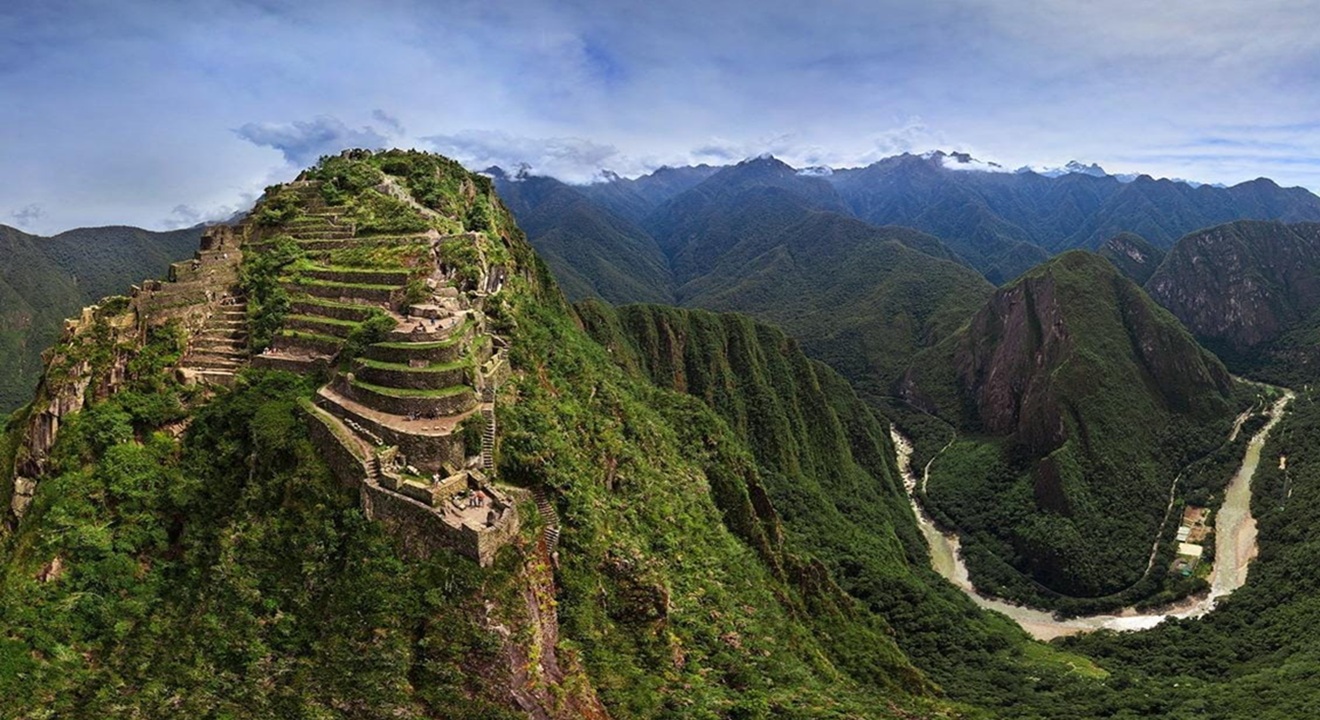
10. Huayna picchu
Huayna Picchu significa “montaña joven” en quechua. Esta montaña recibe su nombre por su forma y altura dominante sobre Machu Picchu. Subir a Huayna Picchu era considerado un acto ceremonial y espiritual, además de estratégico.
Desde la cima se obtiene una vista panorámica impresionante de toda la ciudadela, lo que la convierte en uno de los puntos más impactantes del sitio. Hoy en día, el acceso es limitado para preservar el camino y garantizar la seguridad.
EXPERIENCIAS Y ACTIVIDADES
- Recorrido Guiado por la Ciudadela: Explora templos, plazas, miradores y aprende la historia inca.
- Tiempo Libre para Fotos: Disfruta las mejores vistas desde los miradores superiores.
- Caminata a Huayna Picchu: Ascenso desafiante con vistas únicas (cupos limitados).
- Caminata a Machu Picchu Montaña: Ruta más larga con panorámicas espectaculares.
- Circuitos Oficiales: Explora la ciudadela siguiendo rutas marcadas por el parque.
- Observación de Flora y Fauna: Orquídeas, aves andinas, vizcachas y paisajes neblinosos.
- Visita al Museo Chávez Ballón: Para entender la historia, arquitectura y hallazgos arqueológicos
LA MEJOR ÉPOCA PARA VISITAR MACHUPICHU
La mejor época para visitar Machu Picchu es entre mayo y septiembre, durante la temporada seca. En estos meses predominan los días soleados y los cielos despejados, lo que permite disfrutar mejor de las vistas panorámicas y recorrer la ciudadela con mayor comodidad. En especial, mayo, junio y septiembre ofrecen un excelente equilibrio entre buen clima y una experiencia más agradable.
Por otro lado, la temporada de lluvias, que va de noviembre a abril, también tiene su atractivo. Los paisajes se vuelven más verdes, la neblina crea una atmósfera mística y suele haber menos visitantes. Sin embargo, es posible encontrar lluvias repentinas, por lo que se recomienda llevar calzado adecuado, ropa impermeable y estar preparado para cambios climáticos durante la visita.
COMO LLEGAR A MACHU-PICCHU.
Existen dos formas principales de llegar a Machu Picchu desde Cusco:
1.En Tren (la forma más rápida y popular)
Dirígete desde Cusco o el Valle Sagrado hacia las estaciones de Poroy, Ollantaytambo o Urubamba.
- Toma un tren (PeruRail o IncaRail) hacia Aguas Calientes o Machu Picchu Pueblo.
- Desde Aguas Calientes, sube en bus turístico (aprox. 25–30 min) hasta la entrada de Machu PicchuCaminatas o Treks (para los amantes de la aventura)
- Camino Inca 2 días o 4 días: Ruta oficial que entra por la Puerta del Sol (Intipunku).
2.Salkantay Trek: Ruta de 4–5 días con paisajes espectaculares.
- Inca Jungle: Aventura combinada con bici, zipline y caminata.
- Ruta Hidroeléctrica: Opción más económica, llegando a pie hasta Aguas Calientes (solo recomendada para viajeros con buen tiempo y experiencia).
3.Desde Aguas Calientes a Machu Picchu
- Tienes dos opciones:
- Bus turístico: Subida cómoda y rápida.
- Caminata: Aproximadamente 1.5 a 2 horas por una ruta de escalinatas.
QUE LLEVAR
- Pasaporte o DNI
- Ticket de entrada y boletos de tren/bus
- Ropa ligera y cómoda
- Casaca cortaviento o impermeable
- Zapatillas de trekking o muy cómodas
- Gorra o sombrero
- Bloqueador solar
- Lentes de sol.
- Botella de agua reutilizable
- Snacks pequeños (frutas, barras energéticas)
- Mochila pequeña (máximo 20kg)
- Cámara o celular con buena batería
QUE NO LLEVAR
- Mochilas grandes (más de 20kg)
- Drones
- Trípodes, estabilizadores o palos de selfie largos
- Comida grande o tipo picnic
- Botellas plásticas desechables
- Animales (excepto asistencia certificada)
- Sombrillas
- Instrumentos musicales
- Carteles, disfraces o banderas
- Bebidas alcohólicas
- Comidas
LOS MEJORES ALOJAMIENTOS EN CUSCO:
- Hoteles de lujo como Palacio del Inka es un elegante hotel histórico en el centro de Cusco, combina arquitectura colonial con comodidades modernas y Belmond Palacio Nazarenas es un hotel exclusivo cerca de la Plaza de Armas, con spa, piscina, jardines y atención personalizada de lujo.
- Hoteles boutique como Aranwa Cusco Boutique Hotel: Casona colonial restaurada, atención personalizada y ambiente íntimo y Inkaterra La Casona es un hotel pequeño y elegante, con arte y detalles que reflejan la cultura andina.
- Hoteles históricos como Belmond Hotel Monasterio es un antiguo monasterio convertido en hotel de lujo, con arquitectura colonial impresionante y JW Marriott El Convento Cusco que es un convento restaurado que combina tradición colonial con confort moderno.
DATOS
- Machu Picchu fue construido sin usar ruedas ni herramientas de hierro.
- Sus piedras encajan tan perfectamente que ni una hoja de papel entra entre ellas.
- La ciudad estuvo oculta por casi 400 años hasta su redescubrimiento en 1911.
- Machu Picchu tiene más de 170 edificios, entre templos, casas y terrazas.
- La famosa piedra Intihuatana funciona como un reloj solar inca.
- El nombre “Machu Picchu” significa “Montaña Vieja” en quechua.
We are accredited by