COLCA CANYON: ONE OF THE DEEPEST CANYONS IN THE WORLD
The Colca Canyon, one of the most impressive natural wonders of Peru, is a natural spectacle that combines depth, imposing landscapes, and a rich cultural heritage. With more than 3,000 meters of depth, it is one of the deepest canyons in the world and offers breathtaking views at every corner. This destination is ideal for those seeking adventure, contact with nature, and authentic experiences in Peru.
Here you will find key information on how to explore the Colca Canyon: must-do activities, viewpoints, lodging options, and tips to enjoy this unique place, whether you are traveling for the first time or are an experienced explorer.
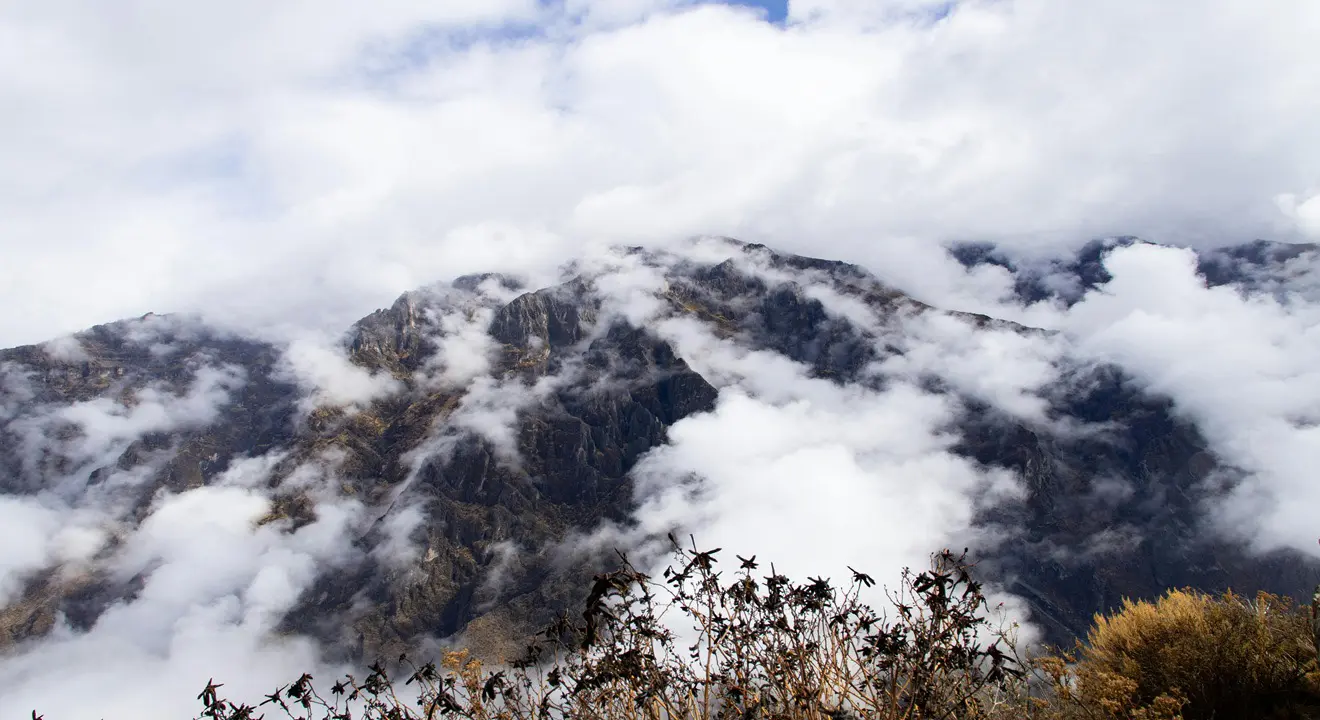
Location
The Colca Canyon, in the Arequipa region, is a natural spectacle that combines depth, landscape, and living culture. With more than 3,000 meters of depth and extending for about 100 kilometers, this canyon is one of the deepest in the world and offers impressive views of the southern Peruvian Andes.
Visitors can admire the rocky walls rising from the Colca River, observe Andean condors in full flight, and explore small villages that preserve ancestral traditions. It is a perfect destination for those seeking adventure, photography, contact with nature, and authentic cultural experiences.
Whether you want to explore trails, learn about the life of local communities, or simply enjoy the canyon panoramas, the Colca Canyon promises an unforgettable and unique experience in Peru.
History of the Colca Valley
The Colca Valley has been inhabited for thousands of years by various Andean cultures. The first evidence of human presence in the region dates approximately to 6,000 B.C., when small groups of camelid hunter-gatherers roamed the valley. Around 900 B.C., communities such as the Cabanas and Collaguas settled in the Colca, leaving a cultural legacy that is still alive in local traditions.
Later, the Wari culture (600 – 1200 A.D.) marked a great advancement in the region, building agricultural terraces and enclosures that transformed the landscape and demonstrated advanced knowledge of engineering and agriculture. The Incas, who arrived in the valley in the 15th century, continued this work: they perfected irrigation systems, expanded agricultural terraces, and built colcas, strategic food storage facilities that show their ingenuity.
With the arrival of the Spanish in the mid-16th century, the valley experienced significant changes. The encomienda system was established, and colonial churches in Baroque style were built, which are still preserved today and represent the blend of Andean and Spanish heritage.
Since the 1970s, the Colca Canyon has received more and more visitors, becoming one of the most important tourist destinations in Peru. Today, travelers can enjoy impressive natural landscapes, connect with Andean history, and discover a territory full of culture and tradition.
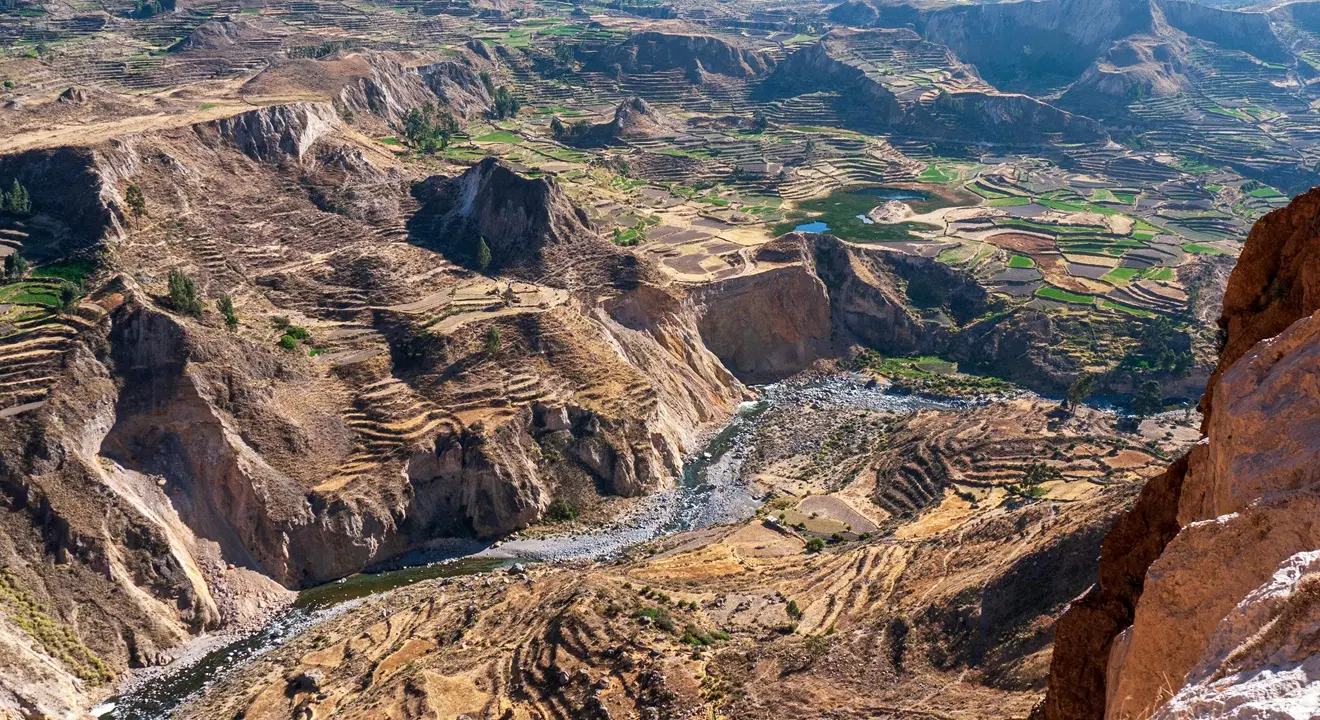
Geography and Altitude of the Colca Valley
The Colca Valley, in southern Peru, stands out for its dramatic landscapes and height contrasts that make it unique in the world. Its highest point is Nevado Ampato, at 6,288 meters above sea level, known not only for its majesty but also for its archaeological importance: on its summits, the famous Inca mummy “Juanita” was found, a testament to ancient Andean traditions.
In contrast, the Andamayo ravine, at just 970 meters of altitude, shows the depth and extreme relief that characterizes the valley. This marked unevenness creates impressive ecological and landscape diversity, where different ecosystems and vegetation can be observed along the entire route.
The Colca Valley stretches for about 100 kilometers, offering vast areas to explore, and is located 165 km from Arequipa and 40 km from Chivay, making it easily accessible for travelers seeking adventure, photography, and contact with nature.
With its combination of towering mountains, deep valleys, and accessibility, the Colca Valley is a must-visit destination for those wanting to experience an authentic and unique adventure in the Peruvian Andes.
Best Time to Visit the Colca Canyon
The Colca Canyon offers a typical Andean climate, with large differences between day and night and well-defined seasons. Knowing the best time to travel is key to fully enjoying your visit.
1. Dry Season (May to October)
The dry season is the most recommended. During these months, the skies are usually clear, daytime temperatures range between 10°C and 21°C, and nights can be very cold, reaching 0°C or lower in some areas. It is the ideal time for hiking, photography, and condor watching. Keep in mind that it is high season, so you will find more tourists and slightly higher prices, but the clear skies and accessible paths make it worthwhile.
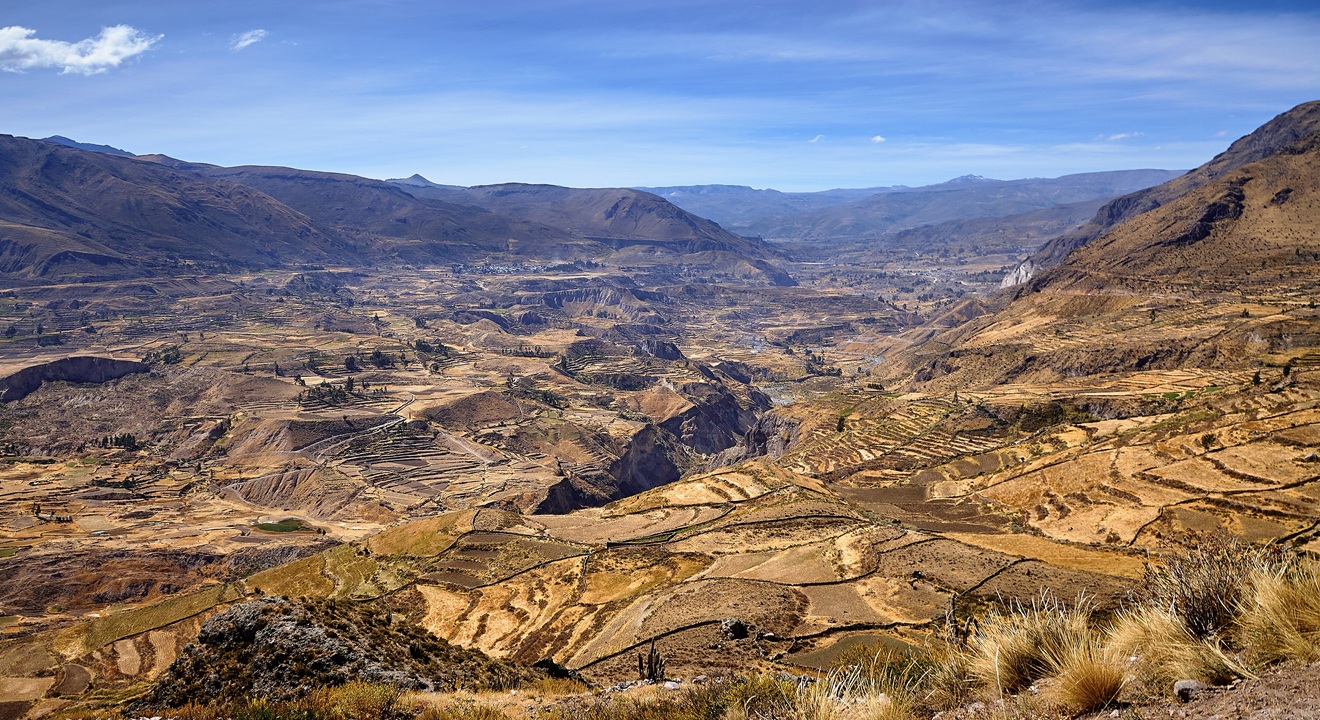
2. Rainy Season (November to April)
The rainy season, especially between December and March, is less advisable for outdoor activities, as the rains can make access to some roads and viewpoints difficult. However, if you want to avoid crowds and enjoy a greener and more vibrant landscape, this season also has its charm. Daytime temperatures range from 15°C to 27°C, while at night they drop to 10°C – 15°C, and accommodation and transportation costs are usually lower.
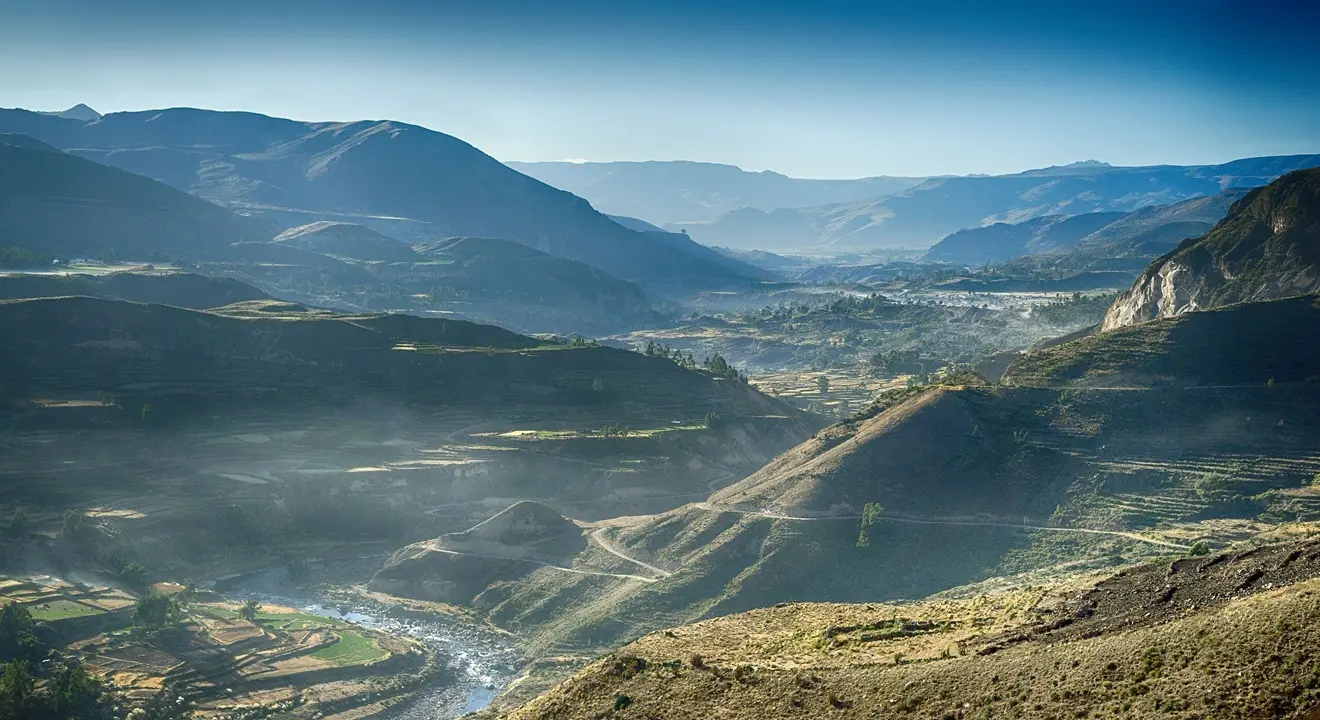
Weather and Preparation Tips
The climate in the Colca Canyon can be cold throughout the year, with very cold nights during the dry season. It is essential to bring warm clothing, rain gear, and appropriate footwear, regardless of the season you travel.
Traveler Tip: If you want optimal conditions for hiking, observing condors, and enjoying clear landscapes, visit the Colca Canyon during the dry season (May to October). If you prefer green landscapes and tranquility, the rainy season also offers a unique experience. In any case, this Andean destination can be enjoyed year-round, as long as you are prepared for the weather.
How to Get to the Colca Canyon
The Colca Canyon is located in the Arequipa region and is accessible from several major cities in southern Peru. Choosing the best route will depend on your starting point, budget, and travel style.
1. From Arequipa
Arequipa is the most common base for visiting the Colca Canyon. From the city, you can take a tourist bus, shared taxi, or private car to the picturesque town of Chivay, the capital of Caylloma province. The trip takes approximately 3 hours, crossing roads with stunning views of mountains, volcanoes, and Andean valleys. Chivay offers accommodation, restaurants, and agencies that provide guided tours of the canyon and its viewpoints, making it the ideal starting point for exploring the area.
2. From Lima
By plane: The fastest way is to take a 1.5-hour flight to Arequipa, then continue by road 3–4 hours to Chivay.
By bus: If you prefer a land trip, buses from Lima take around 14 hours. There are daytime and overnight services, with luxury options including reclining seats, air conditioning, and onboard entertainment. This option allows you to enjoy Peru’s diverse landscapes, from the coast to the Andes.
3. From Cusco
By plane: Direct flights to Arequipa take about 1 hour. From there, the road trip to the Colca Canyon takes 3–4 hours.
By bus: Another option is to travel by land, taking 10–12 hours depending on the route. The journey crosses spectacular Andean landscapes and small towns where short stops can be made.
4. From Puno
By bus: There are direct routes connecting Puno to Chivay in 5–6 hours, crossing valleys and mountains of the highlands.
By plane: Although there are no direct flights to the canyon, you can fly to Arequipa (30–40 minutes) and then continue by road to Chivay.
Practical Tips for Travelers
- Land transport: Roads are mountainous and can be narrow; it is recommended to travel during the day to enjoy the scenery and avoid driving at night.
- Travel time: Plan extra time if you want to stop at viewpoints or intermediate towns, such as Yanque, Maca, or Coporaque, which offer culture, gastronomy, and local crafts.
- Guided tours: Many tourists prefer to hire 1- or 2-day tours from Arequipa, including transport, a guide, accommodation in Chivay, and visits to viewpoints such as Cruz del Cóndor, where condors can be observed in flight.
- Independent travel: For those who prefer to travel independently, shared taxis and minibuses offer frequent connections, though they require careful planning and attention to schedules.
- Traveling to the Colca Canyon is not just a transfer: It is part of the experience, crossing landscapes of volcanoes, mountains, and deep valleys. The combination of nature, culture, and adventure makes every kilometer unforgettable for tourists seeking an authentic Peruvian experience.
Main Attractions of the Colca Canyon
Visiting the Colca Canyon immerses you in a journey that combines breathtaking landscapes, living culture, and adventure. From its deep ravines to its traditional towns, every corner surprises travelers.
1. High-altitude vegetation: the flora of Colca
The valley hosts species adapted to high altitude and extreme climate. Notable vegetation includes queñua forests, ichu grass, bofedales, yaretas, cacti, and the iconic Puya Raimondi, which blooms only once every 100 years. This diversity makes the Colca Canyon an ideal place for nature lovers and photography enthusiasts.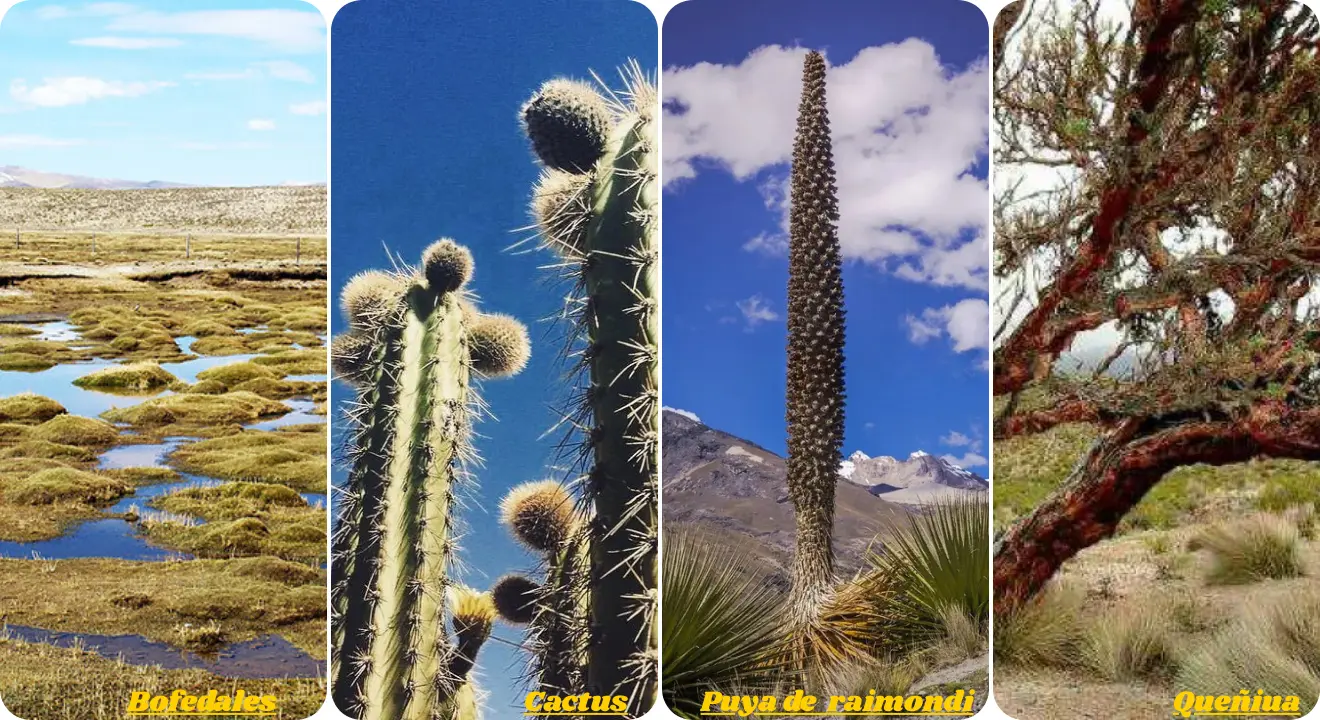
2. Encounter with Andean Wildlife
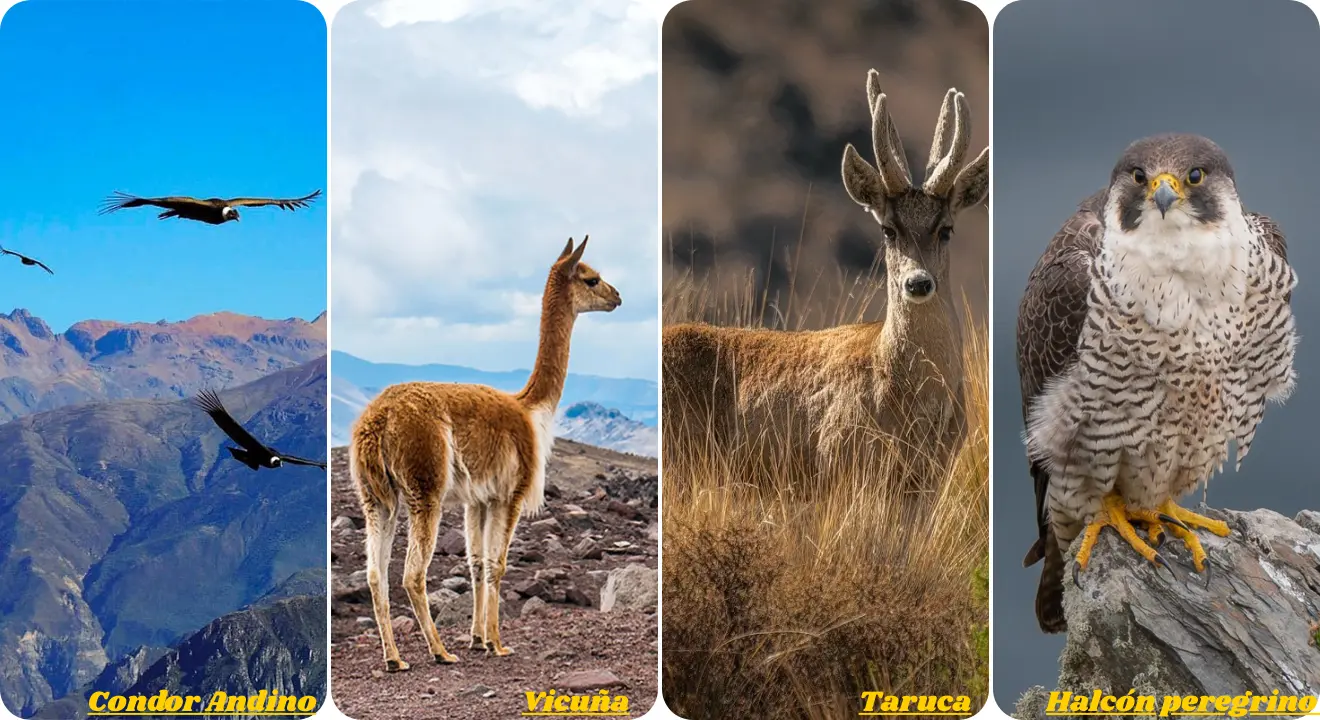
The Colca Canyon is home to more than 230 species of vertebrates, including the Andean condor, vicuñas, llamas, alpacas, tarucas, and birds such as the peregrine falcon. Observing these animals in their natural habitat is a unique experience that connects visitors with Andean biodiversity.
3. Cruz del Cóndor Viewpoint
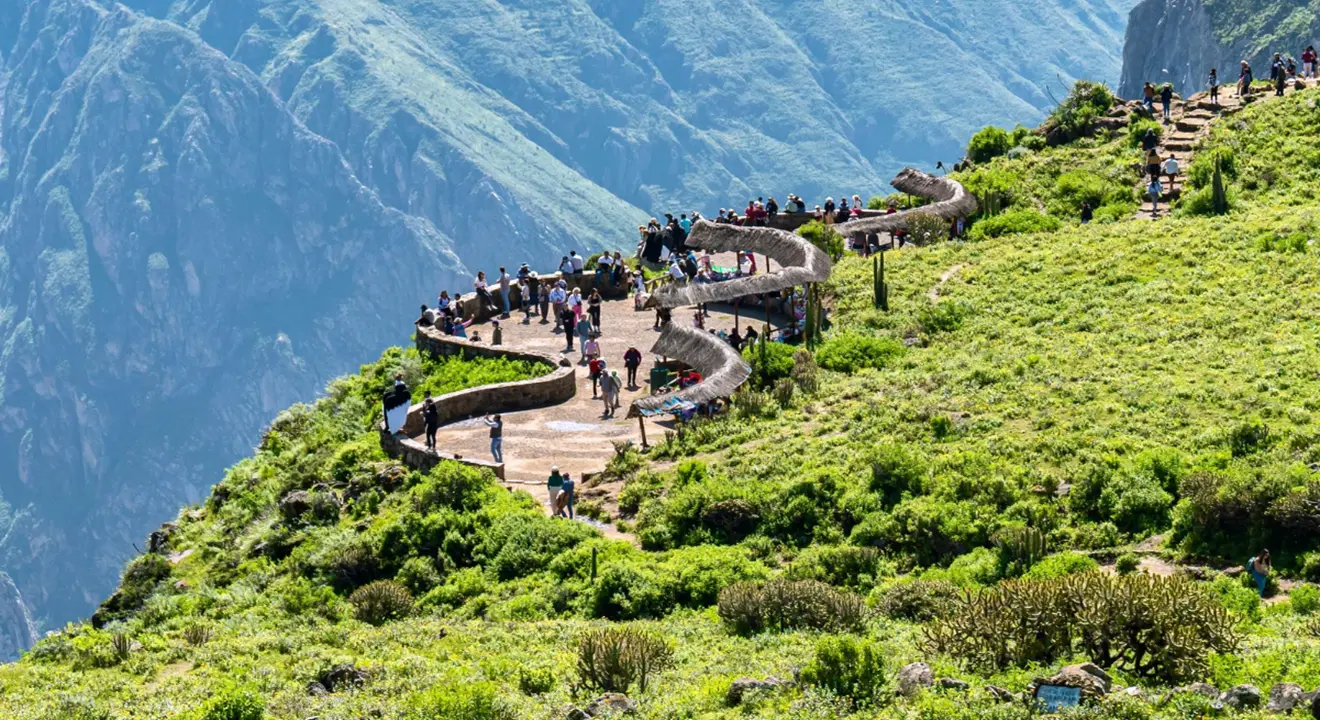
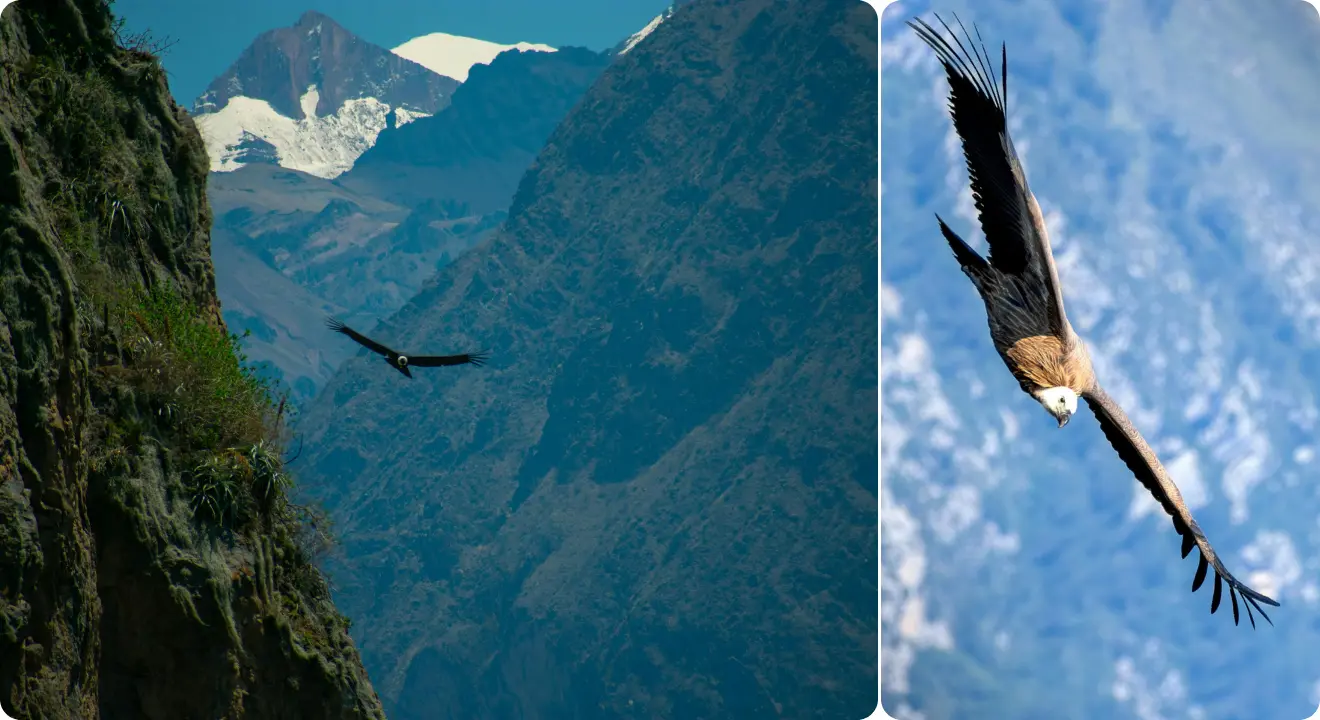
One of the main attractions of the Colca Canyon is watching the condors soar through the sky, the largest flying birds in the world, with wingspans of up to 3.5 meters. The best place is the Cruz del Cóndor viewpoint, where up to 20 specimens can be seen gliding over the canyon. For the Incas, the condor represented the connection between the earthly and the divine worlds.
4. Towns with History and Traditions
Throughout the canyon, there are Andean towns full of culture, such as Yanque, Achoma, Maca, Cabanaconde, and Chivay. Here you can explore colonial churches, Inca terraces, and local festivities, enjoying the cultural heritage that has endured for centuries.
5. The Hidden Giant: Colca Canyon
With more than 4,100 meters of depth, it is the second deepest canyon in the world, only surpassed by the Yarlung Tsangpo in China. Its unique geography includes steep walls, caves, grottoes, and archaeological remains that tell the story of the ancient civilizations that inhabited the area.
6. Extreme Adventure: Sports and Hiking
Colca is a paradise for adrenaline lovers: trekking, cycling, climbing, and rafting are some of the most popular activities. Trekking routes from Cabanaconde last between 2 and 3 days, crossing rivers, lagoons, and natural viewpoints while interacting with local communities.
7. Natural Relaxation: Hot Springs
After exploring the canyon, visitors can enjoy hot springs such as La Calera (Chivay), Chacapi (Yanque), Baños del Inca (Callalli), and Coñeymayo (Caylloma). Their waters, ranging from 36°C to 50°C, rich in minerals, help relieve muscle and joint pain, offering a wellness experience in the heart of nature.
8. Archaeological Remains and Caves
In the canyon, you can find grottoes, ceramic remains, petroglyphs, and fossils, vestiges of the ancient civilizations that inhabited the region.
Exploring Colca Canyon: Solo or with a Guide
Colca Canyon offers unique experiences, and the way you explore it depends on your travel style. If you decide to explore on your own, you will have complete freedom to design your itinerary, choose the viewpoints that interest you most, and dedicate time to activities such as hiking or photography. This option is ideal for those with trekking or mountain travel experience, who enjoy autonomy and want to live the adventure at their own pace.
However, traveling alone requires detailed preparation. You will need to organize your transport from Arequipa, Chivay, or nearby towns, book accommodation on your own, ensure you carry water, food, appropriate clothing, and high-altitude gear, and know the trails and schedules of the viewpoints. Planning is key, as some paths can be challenging or have variable weather.
On the other hand, choosing a specialized travel agency simplifies the experience. Local agencies offer expert guides, safe transportation, permits, accommodation, and planned excursions. It also allows you to enjoy the trip without worrying about logistics and meet other travelers with similar interests. This is especially recommended for those seeking comfort, safety, and cultural learning, as guides explain the history of towns, ecosystems, and the life of the Andean condor.
Accommodation Options: Luxury and Exclusivity in Colca
1. Aranwa Colca Hotel
If you seek luxury and comfort, the Aranwa Colca Hotel is the top choice. This hotel offers panoramic views of the canyon, a spa, hot springs, and wellness treatments. Every detail is designed to provide a relaxing and exclusive experience, ideal for those who want to complement adventure with high-level rest.
2. Lodging Close to Nature
For a closer-to-nature experience, Colca Lodge Spa & Hot Springs is an excellent option. Its cozy rooms allow rest after exploring the canyon, while its thermal pools and spa offer relaxation moments. The lodge restaurant serves regional food, such as fresh trout, quinoa, native potatoes, and traditional Andean dishes, allowing visitors to immerse themselves in local culture while enjoying the landscape.
Affordable and Comfortable Options
If you prefer an economical but comfortable stay, Casa Andina Standard Colca is ideal. Its well-equipped, clean rooms, along with a restaurant serving local cuisine, offer comfort without excessive luxury. Its location near Chivay provides easy access to viewpoints, hot springs, and canyon excursions, making it a practical option for travelers with a moderate budget.
Tips for Choosing Accommodation
When selecting where to stay, consider proximity to main attractions, availability of services like breakfast, Wi-Fi, and transportation, and reviews from other tourists. Choosing the right accommodation can significantly enhance your experience, as it facilitates access to excursions, viewpoints, and cultural activities in Colca towns.
Altitude Sickness in Colca Canyon and How to Avoid It
¿What is altitude sickness?
Altitude sickness is a common concern for visitors to Colca Canyon, as the area exceeds 3,000 meters above sea level. Common symptoms include headaches, nausea, fatigue, and difficulty breathing, which can affect your enjoyment of the trip.
Gradual Acclimatization
To reduce risk and make the most of your visit, it is important to give your body time to adapt to the altitude. Arriving a few days before engaging in more demanding activities and avoiding intense physical effort during the first days can make a big difference.
1. Proper Hydration
Staying well-hydrated also helps prevent discomfort. Drink plenty of water and avoid excessive alcohol, as it can increase dehydration and worsen symptoms.
2. Light and Nutritious Diet
It is advisable to choose light, easy-to-digest meals rich in carbohydrates, avoiding very heavy or greasy foods that can cause nausea.
3. Medication and Natural Remedies
Some people consider using preventive medications for altitude sickness, always consulting a doctor first. Natural remedies, such as coca leaf tea, can also help alleviate symptoms gently and effectively.
Recognize the Symptoms
It is essential to pay attention to your body and recognize symptoms early. Severe headaches, dizziness, or difficulty breathing are signs that you should descend to a lower altitude and seek medical attention if symptoms do not improve.
Enjoy Your Visit
Preparing in advance will allow you to fully enjoy the impressive beauty of Colca Canyon and experience it without setbacks.
What to Bring and What Not to Bring to Colca Canyon
Visiting Colca Canyon requires proper preparation, as it is located over 3,000 meters above sea level and the weather can vary considerably. The following recommendations will ensure a safe and comfortable experience:
- Documents and Safety
- Passport or ID: Essential for all foreign visitors; carrying a backup copy is recommended.
- Travel or health insurance cards: Useful in case of medical emergencies.
- Cash and cards: In rural areas like Colca, cash is more useful than card payments.
Clothing
- Dress in layers to adapt to temperature changes. During the day, the sun can be intense, while at night, temperatures drop significantly. Recommendations include:
- T-shirts: Short and long sleeve, preferably lightweight and quick-drying fabrics.
- Pants: Comfortable and versatile; convertible pants that can become shorts are ideal.
- Jacket: Waterproof and windproof, especially during the rainy season.
- Sweater or fleece: To keep warm at night or in windy areas.
Footwear
- Trekking boots: Durable, comfortable, and supportive for uneven terrain.
- Sandals or comfortable shoes: Useful for relaxing at accommodation or hot springs.
Accessories
- Hat or cap: Protection against solar radiation.
- Sunglasses: With UV filter.
- Scarf and gloves: Recommended for cold nights.
- Swimwear: If visiting hot springs.
Equipment
- Backpack: Comfortable and durable, suitable for hikes and excursions.
- Reusable water bottle: Staying hydrated is essential.
- Sunscreen: High protection, essential at high altitude.
- Insect repellent: To protect against mosquitoes and other insects.
- Basic first aid kit: Include altitude sickness medication, painkillers, antihistamines, and bandages.
- Flashlight or headlamp: Useful for night walks or low-light areas.
- Camera or smartphone: To capture landscapes.
- Portable charger: To keep devices powered during the day.
What Not to Bring
- Heavy or unnecessary clothing that hinders movement.
- New shoes, which can cause blisters.
- Unnecessary valuables, to prevent loss.
- Bulky luggage, prioritize only what is essential for activities.
Curiosities of Colca Canyon
- Andean condors: one of the best places in the world to see them in flight, with wings up to 3 meters.
- Deeper than the Grand Canyon: approximately 3,270 meters deep.
- Millenary agricultural terraces: used for more than 1,000 years.
- Towns with living traditions: Chivay, Yanque, and Cabanaconde preserve ancestral customs.
We are accredited by