CHOQUEQUIRAO: THE HIDDEN JEWEL OF THE ANDES
Choquequirao, the “sister of Machu Picchu,” is an impressive archaeological complex in Cusco, Peru, nestled in the Apurímac Canyon. Larger and less crowded than Machu Picchu, it offers terraces, ceremonial plazas, and spectacular natural scenery. Reaching it requires a trekking hike, perfect for adventure lovers seeking history, culture, and unforgettable views.
HISTORY
Choquequirao was probably built between the 15th and 16th centuries, during the height of the Inca Empire. Originally, it functioned as an administrative, religious, and agricultural center, with terraces, ceremonial plazas, and irrigation systems that demonstrated the advanced knowledge of the Incas in architecture and agriculture. Due to its remote and difficult-to-access location, it may also have served as a strategic refuge against the Spanish conquest.
After the fall of the Inca Empire, Choquequirao was abandoned and partially covered by vegetation, remaining almost unknown for centuries. It was rediscovered in the 18th century by chroniclers and explorers, but its difficult access kept it less visited than Machu Picchu.
Today, Choquequirao is an important archaeological park and trekking destination, considered a cultural and natural treasure of Peru. Visitors can explore its Inca constructions, enjoy spectacular views of the Andes, and experience the feeling of discovering an authentically secret and preserved site.
LOCATION
Located in the Cusco region, Peru, Choquequirao is an impressive Inca archaeological park situated in the province of La Convención, district of Santa Teresa, in the Vilcabamba mountain range. It sits on the edge of the Apurímac River Canyon, one of the deepest canyons in the country, at approximately 3,050 meters (10,007 feet) above sea level.
Access to the park requires a multi-day trek, passing through cloud forests and ancient Inca trails, making the visit a unique adventure. With its agricultural terraces, ceremonial plazas, and spectacular panoramas, Choquequirao offers an experience that combines history, culture, and nature in an unforgettable way.
¿What does Choquequirao mean?
The name Choquequirao comes from the Aymara word “chuqui,” meaning gold, and the Quechua word “k’iraw,” which translates as cradle, meaning “cradle of gold.” This name refers to the shine emitted by the metamorphic rocks used to build its structures, as the minerals in these stones give them a golden hue during the day, giving the site its name and distinctive beauty.
¿Who built Choquequirao?
As you walk among towering mountains and terraces seemingly suspended over the Apurímac Canyon, it is inevitable to wonder who was capable of building such a grand city in such a remote location.
Choquequirao was constructed during the height of the Inca Empire, between the 15th and 16th centuries, in a time of great expansion and power. Archaeological studies indicate that its construction began under the rule of Pachacútec, the great reformer of the Tahuantinsuyo, responsible for transforming Cusco into the imperial capital and promoting monumental works throughout the territory.
Years later, his son Túpac Inca Yupanqui would continue and expand the complex, strengthening its importance as a ceremonial, political, and administrative center in the Vilcabamba region. From here, the Incas controlled strategic routes, agricultural activities, and religious rituals, all in perfect harmony with nature.
Although there is no single historical record attributing the work to one ruler, Pachacútec and Túpac Inca Yupanqui are the figures most closely linked to the origin and development of Choquequirao. Today, visiting this site is like traveling to the heart of a civilization that mastered engineering, architecture, and the Andean landscape like no other.
Altitude:
Choquequirao is located at approximately 3,050 meters (10,007 feet) above sea level in the Vilcabamba mountain range, offering impressive panoramic views of the Apurímac Canyon and surrounding Andes.
Difficulty Level:
The trek to Choquequirao is high-level (difficult) and recommended for people in good physical condition with some trekking experience.
The journey includes long daily distances, steep descents and ascents, especially the descent and climb from the Apurímac Canyon, as well as abrupt altitude changes that can cause fatigue. Hikes can last between 6 and 8 hours per day under variable weather conditions such as intense sun, heat in the canyon, and cold in high areas.
Although it does not require climbing techniques, it does demand physical endurance, prior preparation, and acclimatization, so it is not recommended for people with reduced mobility or without training. For most travelers, trekking with a guide and specialized agency makes the experience safer and more organized.
How to reach Choquequirao: Routes and adventure
1. Classic Route (Cachora – Choquequirao)
This is the most popular and recommended route for those starting the trek to Choquequirao. The journey begins in the town of Cachora, 151 km from Cusco. From there, the path descends to the Apurímac River and continues along the winding road to Capuliyoc, crossing spectacular mountain landscapes and Andean vegetation. The total distance is approximately 32 km, usually covered in 4 or 5 days, camping at strategic points. This route combines history, nature, and adventure, ideal for those who want to enjoy trekking without extreme challenges.
2. Huanipaca Route
If you are looking for a less crowded experience and a slightly more demanding trek, the Huanipaca route is perfect. It starts in the town of Huanipaca, in the province of Abancay, about 151 km from Cusco by paved road. From there, the path passes through Tambobamba, the community of Kiuñalla, and the old settlement of San Ignacio, finally reaching the Apurímac River beach, where a new pedestrian trail connects with Choquequirao. This route is approximately 64 km and usually takes 4 days, offering unexplored landscapes and the feeling of discovering an almost secret place.
3. Mollepata Route
The Mollepata route is the longest and most remote, ideal for those seeking an authentic and less-traveled trek. It begins in the town of Mollepata, crosses the Salkantay pass, and reaches the middle part of the Santa Teresa River valley, continuing through the Yanama farming community to Choquequirao. With approximately 135 km, this route requires about 5 days and is recommended only for hikers with good physical preparation and mountain experience.
4. Choquequirao – Machu Picchu Trek
For the more adventurous, it is possible to combine a visit to Choquequirao with a trek to Machu Picchu. This route starts with the classic path, passing through Yanama and Santa Teresa, and ends at the famous Inca citadel. The total distance is 83 km and can take between 7 and 9 days, depending on the walking pace. It is a unique option for those who want to explore two of Peru’s most important archaeological complexes in a single journey.
Traveler Tip:
For any of these routes, it is highly recommended to hire a local travel agency to handle logistics, transport, guides, and camping accommodations. Among all options, the classic route remains the most accessible and suitable for those wishing to enjoy trekking without extreme complications, while the other routes offer greater adventure and contact with virgin nature.
Most popular route: 5-day, 4-night classic trek to Choquequirao
The 5-day trek to Choquequirao is the most common, safe, and organized way to visit this archaeological park. Most tours depart from Cusco, head to the town of Cachora, and continue to Capuliyoc, where the official hike begins. This route allows for progressive acclimatization, well-established campsites, and complete exploration of the archaeological site.
Day 1: Cusco – Capuliyoc – Chikiska
The adventure begins very early, usually around 4:30 a.m., with hotel pickup in Cusco. The transport takes approximately 4 hours to Capuliyoc (2,950 m / 9,678 ft), where the hike begins.
On this first day, about 6 hours of walking are done, descending into the Apurímac Canyon, one of the deepest in Peru. The camp is set up at Chikiska (1,950 m / 6,398 ft), a point surrounded by vegetation and warmer climate.
Day 2: Chikiska – Playa Rosalina – Marampata
The day starts with an early breakfast. The trek first descends to Playa Rosalina on the banks of the Apurímac River, then begins the most demanding section: a long climb to Marampata (2,940 m / 9,646 ft).
The hike lasts about 8 hours, but the reward is panoramic views of the canyon and Choquequirao in the distance. Marampata is the main camp to visit the archaeological complex.
Day 3: Exploration of the Choquequirao Archaeological Park
After breakfast, there is a 2-hour walk to the Choquequirao Archaeological Park. This day is fully dedicated to exploring the site with a specialized guide, visiting ceremonial plazas, agricultural terraces, temples, and administrative sectors.
Choquequirao is one of the largest Inca complexes in Peru and is still partially covered by vegetation, giving it an authentic and uncrowded feel. In the afternoon, return to the Marampata camp.
Day 4: Choquequirao – Marampata – Chikiska
After enjoying the last views of the complex, the return begins. The route includes a descent of about 4 hours to the canyon, followed by a moderate climb back to the camp, usually at Chikiska or Coca Masana (2,330 m / 7,644 ft).
It is a demanding day but shorter than day 2, ideal for walking at a steady pace.
Day 5: Chikiska – Capuliyoc – Cusco
The last day starts with a 4-hour climb to Capuliyoc. Many tours offer a traditional lunch, such as pachamanca, cooked with hot stones.
After saying goodbye to the trekking team, the return trip to Cusco begins, arriving at the hotel around 6:00–7:00 p.m.
Traveler Tip: Total duration: 5 days / 4 nights – Difficulty level: High
Recommended for travelers in good physical condition Highlights: adventure trekking, Andean landscapes, Inca history, and low tourist traffic
Choquequirao Weather: Temperatures and Seasons
Choquequirao is located in the eastern Vilcabamba mountain range, where the Apurímac River has formed one of Peru’s deepest canyons. Due to this marked geography, the trek presents extreme changes in climate and temperature, with an elevation change of approximately 1,500 meters requiring ascents and descents to reach the archaeological complex.
The climate is temperate to warm and dry between April and November, while December to March is the rainy season. Even so, Choquequirao remains humid for much of the year due to sporadic rain and fog, characteristic of the cloud forest.
During the day, temperatures can reach 25 °C (77 °F), while at night they drop to around 4 °C (39 °F), with an average temperature near 14 °C (57 °F). Therefore, it is recommended to wear layered clothing and protection from both sun and rain.
Best time to visit Choquequirao
The best time to visit Choquequirao is during the dry season, from April to November. In these months, the weather is more stable, days are usually sunny, and the trails are in better condition for trekking.
The most recommended months are May, June, July, and August, with less rain, clear skies, and panoramic views of the Apurímac Canyon and Andes. However, nights can be cold, especially in high areas like Marampata and the archaeological complex.
During the rainy season (December to March), paths can become slippery, making trekking more demanding. January and February have the highest rainfall and are not recommended for visiting.
Main Archaeological Attractions of Choquequirao
Choquequirao is one of the largest and least explored archaeological complexes in Peru. In addition to its historical value, it stands out for its natural environment and privileged location in the Apurímac Canyon. Its main attractions are:
1. Main Plaza Sector (Haucaypata)
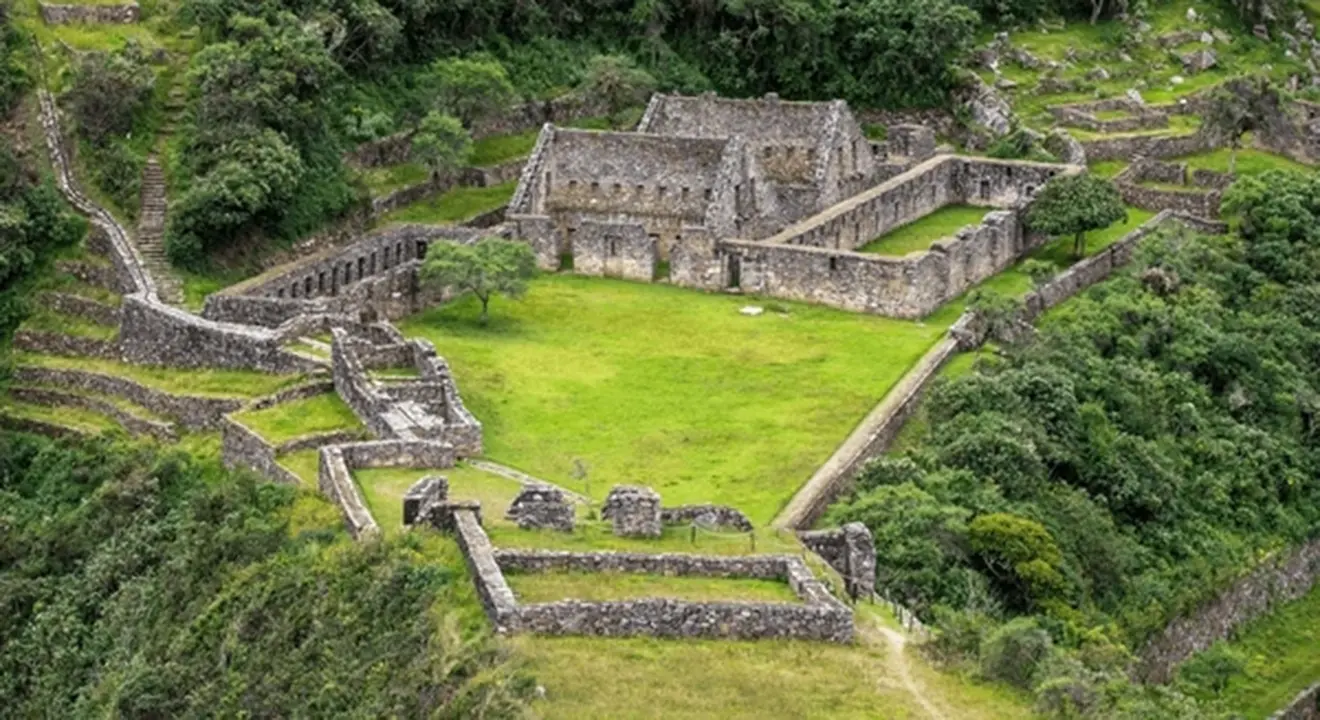
The Main Plaza, also known as Haucaypata (plaza in Quechua), is considered the political, ceremonial, and social center of Choquequirao. It is located in the central part of the complex and houses nine main buildings.
Notable are the kallankas, large two-level constructions used as residences or multifunctional spaces, as well as the Sunturwasi and the Main Temple. Four ceremonial terraces surround this plaza, forming a sacred space where important religious and administrative events were held.
2.The Hanan Temple
The Hanan sector, which in Quechua means “upper part,” is located north of the Main Plaza and corresponds to one of the most important areas of the complex. Here, temples, ceremonial rooms, water channels, storage facilities, and a stepped waterfall are concentrated, reflecting its ritual and administrative function.
The area is divided into two large sectors, made up of corridors, terraces, and continuous buildings, demonstrating advanced urban planning and profound religious symbolism within the Inca worldview.
3. The Storage Structures or Qolqas
The qolqas were structures intended for food storage, essential to ensure the supply for the population and staff living in Choquequirao. They are located southeast of the Hanan Temple and are distributed across two areas with platforms, corridors, and buildings.
Some of these constructions have two levels and feature ventilation ducts, an ingenious system that allowed agricultural products to be preserved for long periods, demonstrating the Inca Empire’s high logistical knowledge.
4. The Ushnu
The Ushnu is a ceremonial platform located on a hill south of the Main Plaza and holds deep religious and symbolic significance. It is surrounded by a 147-meter-long wall and has three horseshoe-shaped terraces.
This space was used for rituals, offerings, and libations, and also served for astronomical observation, with religious, political, and military implications. From here, visitors can enjoy stunning views of the Apurímac Canyon, making it one of the most striking points of the site.
5. The House of the Priests
Near the Ushnu hill is the enigmatic House of the Priests, an architectural complex reserved for those conducting religious ceremonies. It is divided into two areas: one with five retaining walls and another composed of two large rectangular buildings.
This place had restricted access and was used as a space for spiritual preparation, reinforcing the sacred nature of this zone. Exploring this sector allows understanding of the importance of ritual and religion in Choquequirao.
6. The Llama Terraces
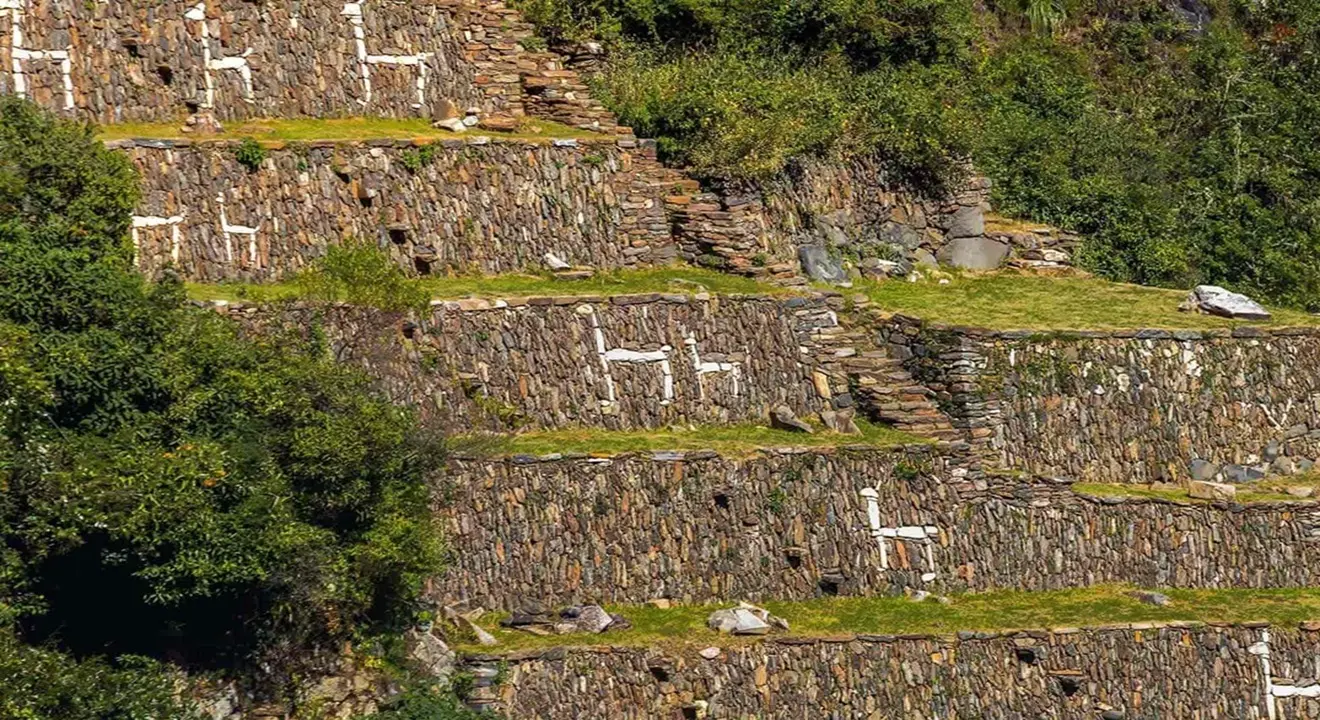
This is one of the most emblematic sectors of Choquequirao. Located in the northern part of the complex, it was discovered in 2002 and stands out for its sixteen levels of steep terraces, decorated with figures of llamas, human shapes, and geometric designs made of white limestone.
These representations are associated with agricultural rituals and the importance of camelids in Inca economy and spirituality. Due to the steep slope, it is recommended to explore this sector with caution.
7. Paraqtepata Terraces
This sector consists of 18 agricultural terraces built vertically on the mountain. It is divided into five sections of terracing intended for cultivation with irrigation systems.
It is located on a landslide area and extends toward the right bank of the Ch’unchu Mayu stream. These terraces are visible even before reaching the complex, showcasing the magnitude of the Inca agricultural system.
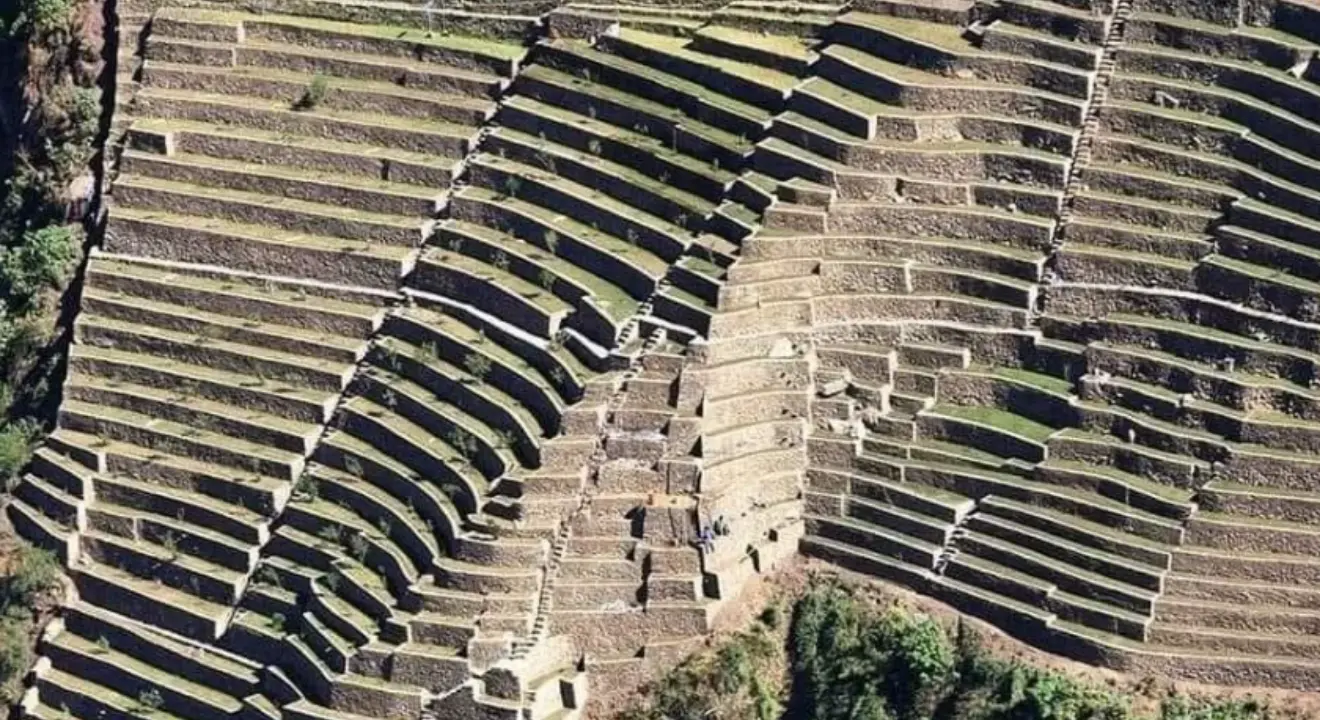
8. The Sacred Terraces
Located northeast of the Main Plaza, the Sacred Terraces are divided into five subsectors and form a large concave space oriented toward the southeast and northeast.
The longest terrace reaches 116 meters, demonstrating the magnitude of Inca agricultural and ceremonial work. These terraces not only had a productive function but also a symbolic role within the sacred Inca landscape.
9. Phaqchayoq Terraces
The Phaqchayoq Terraces form the largest agricultural complex in Choquequirao. It is composed of nine large groups of cultivation terraces, carefully designed.
In the central part, there is a promontory with three buildings, accompanied by a complex system of water channels that efficiently irrigated the terraces. This sector demonstrates the Incas’ mastery of water and land management.
10.Inca Terraces and Agricultural Landscapes
The enormous terraces surrounding the complex offer unique views of Inca agricultural engineering perfectly integrated into the mountainous environment.
Unforgettable Sunrises and Sunsets
The sunrise over the mountains and the sunset painting the canyon in golden tones are among the greatest attractions for photographers and nature lovers.
Landscapes Viewed from Choquequirao
Visiting Choquequirao is not only about exploring an archaeological site but also enjoying some of the most breathtaking landscapes of the Peruvian Andes. From various points of the complex and the trek, the views are simply spectacular.
1. Apurímac River Canyon
From the terraces and natural viewpoints, visitors can admire the deep Apurímac Canyon, one of the deepest in the world. The contrast between the river, rocky walls, and vegetation creates unforgettable scenery.
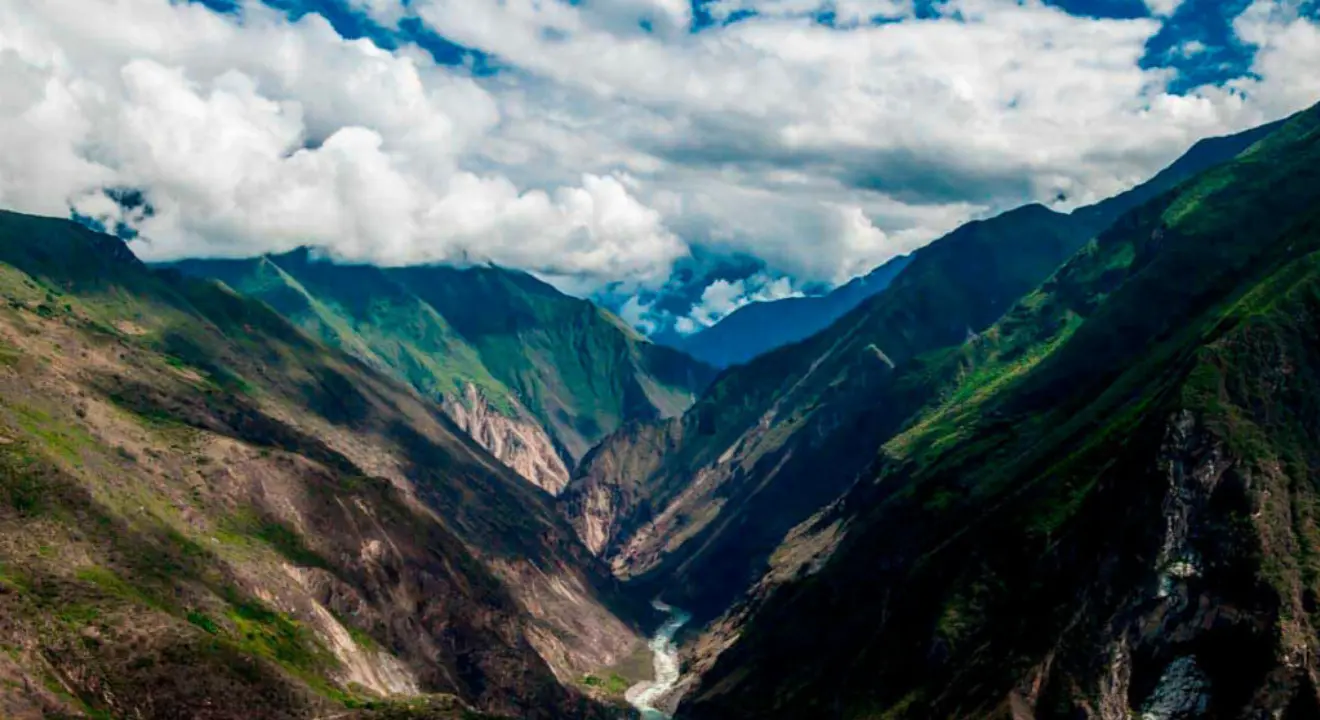
2. Vilcabamba Mountain Range
Choquequirao is surrounded by towering mountains. On clear days, the views of the Vilcabamba mountain range dominate the landscape, showcasing Andean peaks, green slopes, and deep ravines.
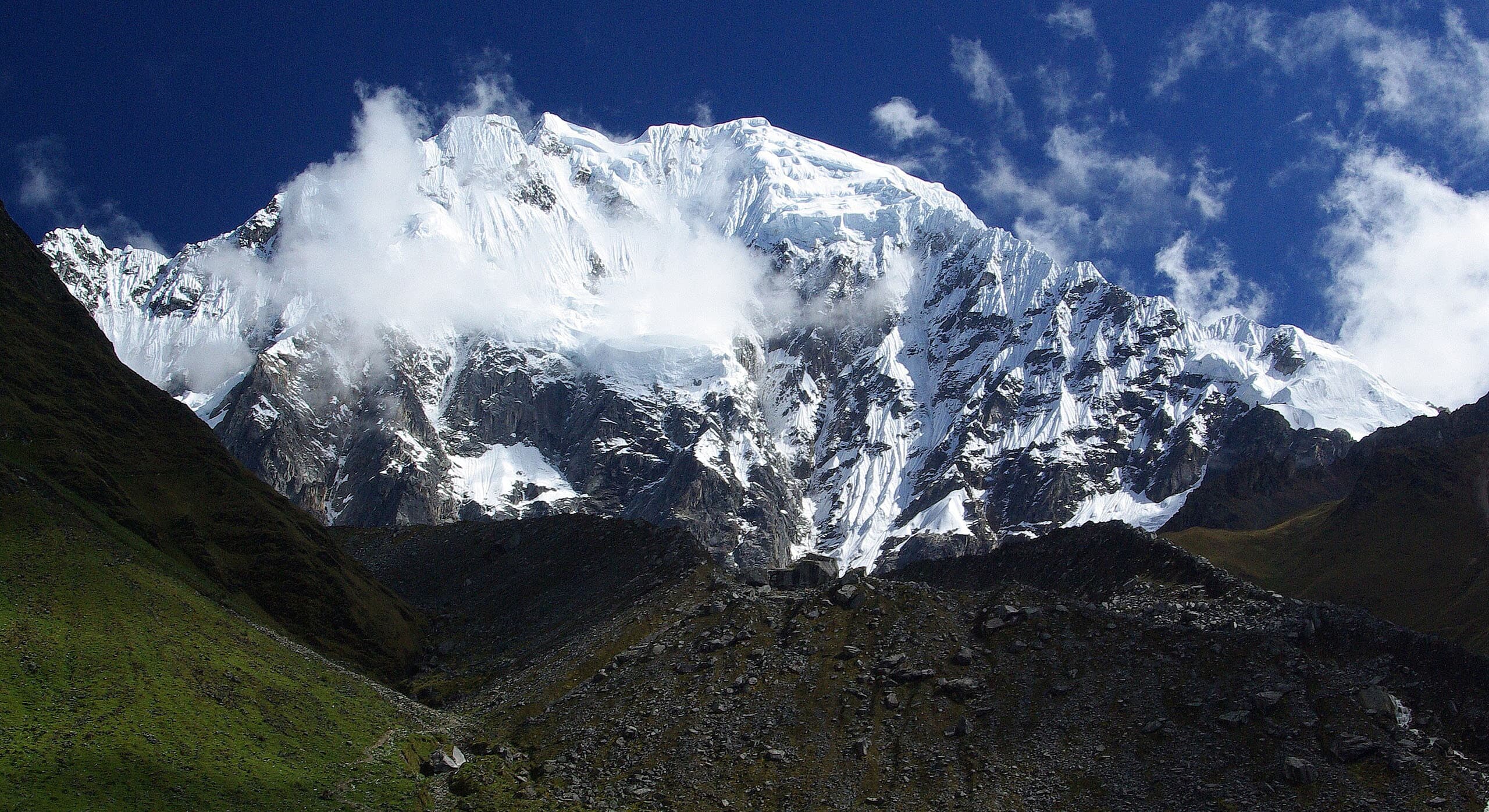
3. Snow-Capped Peaks and Andean Summits
During the trek and from the higher sectors of the complex, it is possible to observe distant snow-capped mountains, especially in the early morning or at sunset.
4. Cloud Forests
In the surrounding areas, cloud forests can be observed, with abundant vegetation, wildflowers, and a great diversity of birds, making the journey a constant visual experience.
Biodiversity: Flora and Fauna of Choquequirao
Choquequirao is not only an impressive Inca archaeological park but also an important natural refuge located between the Andes and the cloud forest. Thanks to its varied altitude and rugged geography, the area hosts rich biodiversity that accompanies travelers throughout the trek.
Flora
- Along the trail and around the archaeological complex, visitors cross different ecological zones where the following can be observed:
- Cloud forests, with native trees covered in mosses and lichens.
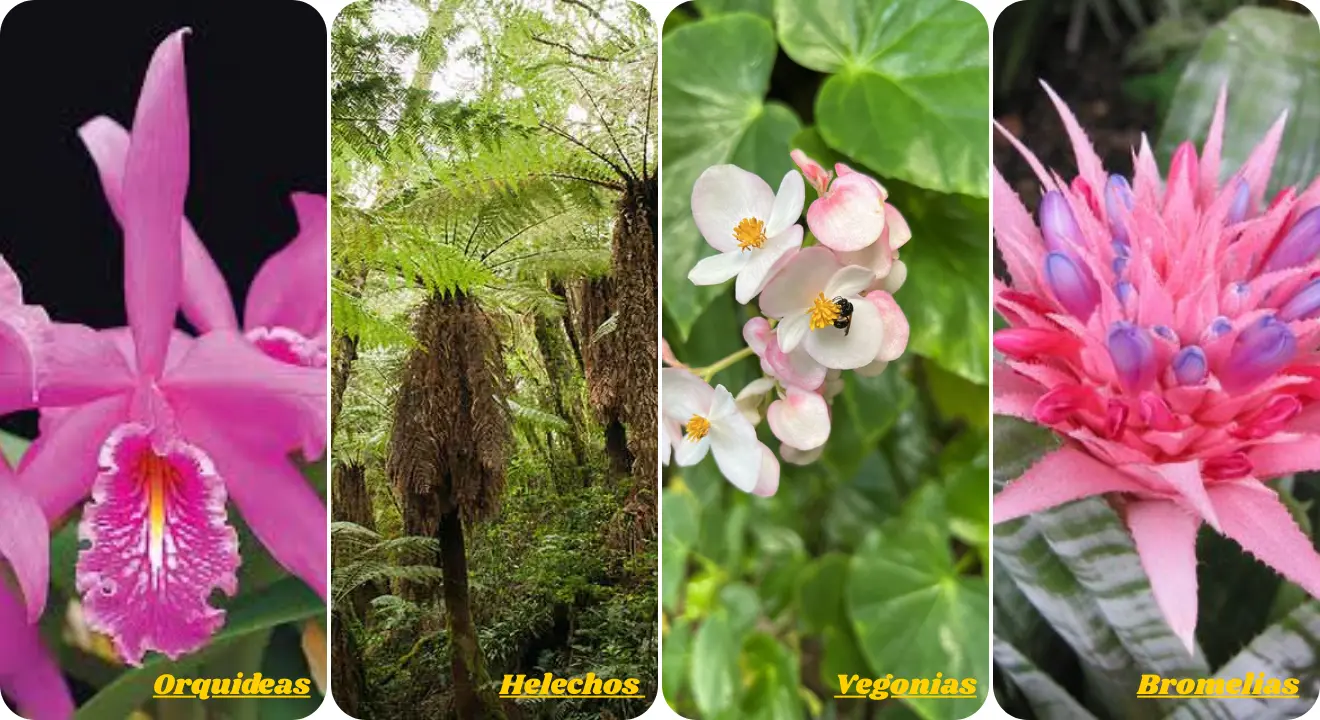
- Wild orchids, bromeliads, and begonias, especially visible during the rainy season.
- Giant ferns and dense vegetation in the wettest areas.
- Ichu grass and high-Andean pastures in elevated sectors, contrasting with the deep canyons.
- This vegetation was used by the Incas for both agriculture and medicinal purposes, and today it forms part of the living landscape surrounding the site.
Fauna
- The fauna of Choquequirao is diverse, although most species are difficult to observe, reflecting the well-preserved state of the environment:
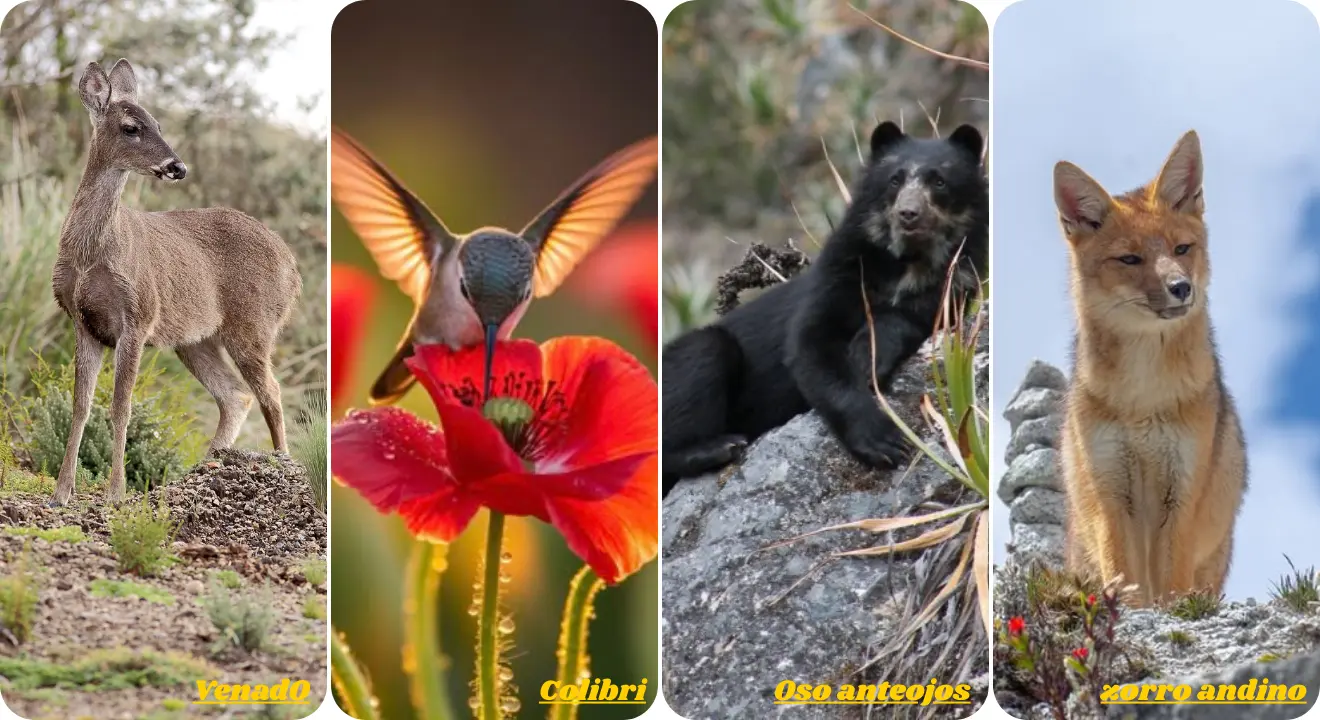
- Andean birds, such as hummingbirds, hawks, tanagers, and on special occasions, the Andean condor soaring over the canyon.
- Mammals, such as the Andean fox, deer, and vizcachas, which inhabit areas far from tourist traffic.
- Spectacled bear, the only bear in South America, whose presence is recorded in the Vilcabamba region; however, it is very elusive and sightings are rare.
- Reptiles, amphibians, butterflies, and insects, especially abundant in wet and forested areas.
Other Places You Can Visit on the Route to Choquequirao
The journey to Choquequirao not only leads to one of the most impressive Inca cities in Peru, but also offers the opportunity to discover important archaeological and historical sites located along the route from Cusco to Apurímac. These places are ideal stops to enrich the experience before or after the trek.
1. Saywite Archaeological Complex
Saywite is one of the most important cultural stops in the region and a highly recommended visit before or after exploring Choquequirao.
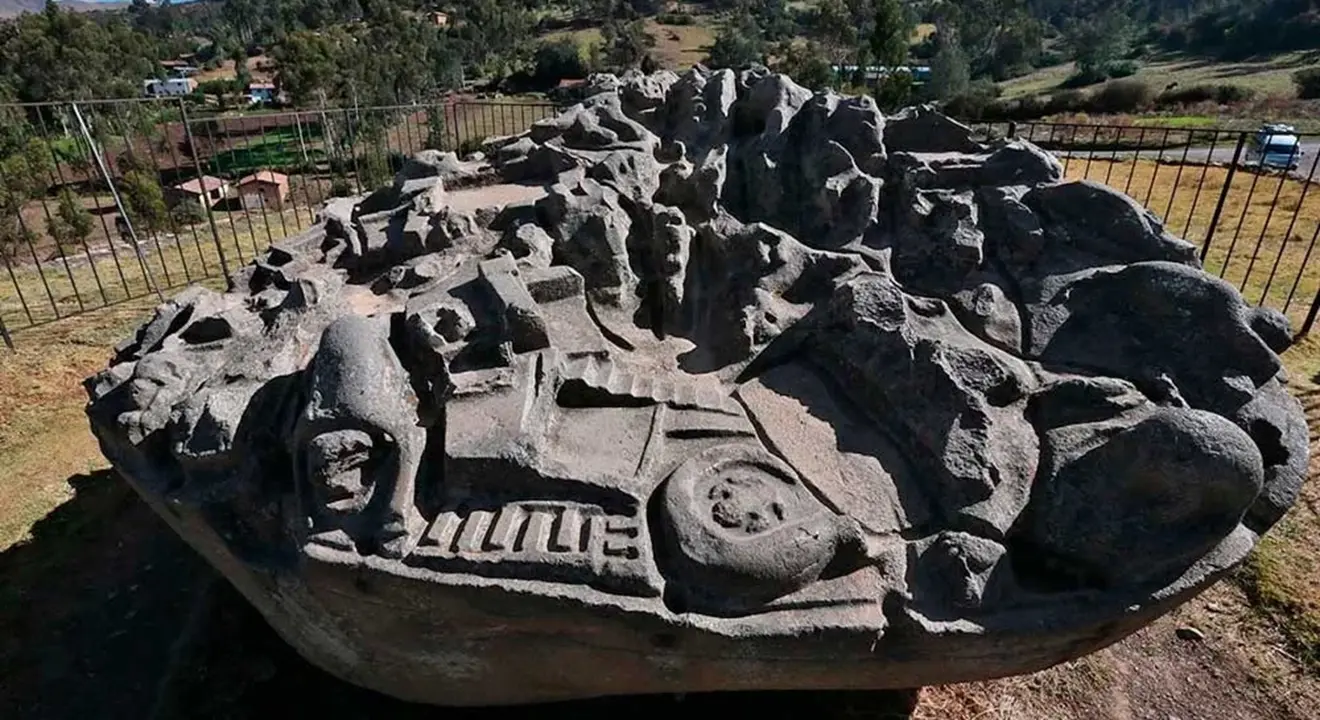
Its main attraction is the famous Saywite Stone, an impressive granite monolith carved with great precision. This rock, approximately 2.5 meters high, features over 200 sculpted figures, including representations of animals, channels, geometric shapes, and possible building models, leading many researchers to interpret it as a hydraulic or ceremonial model.
The archaeological site spans about 60 hectares, where visitors can also explore terraces, other monoliths, and ritual areas, all set within a privileged natural environment.
2. Tarawasi Archaeological Complex
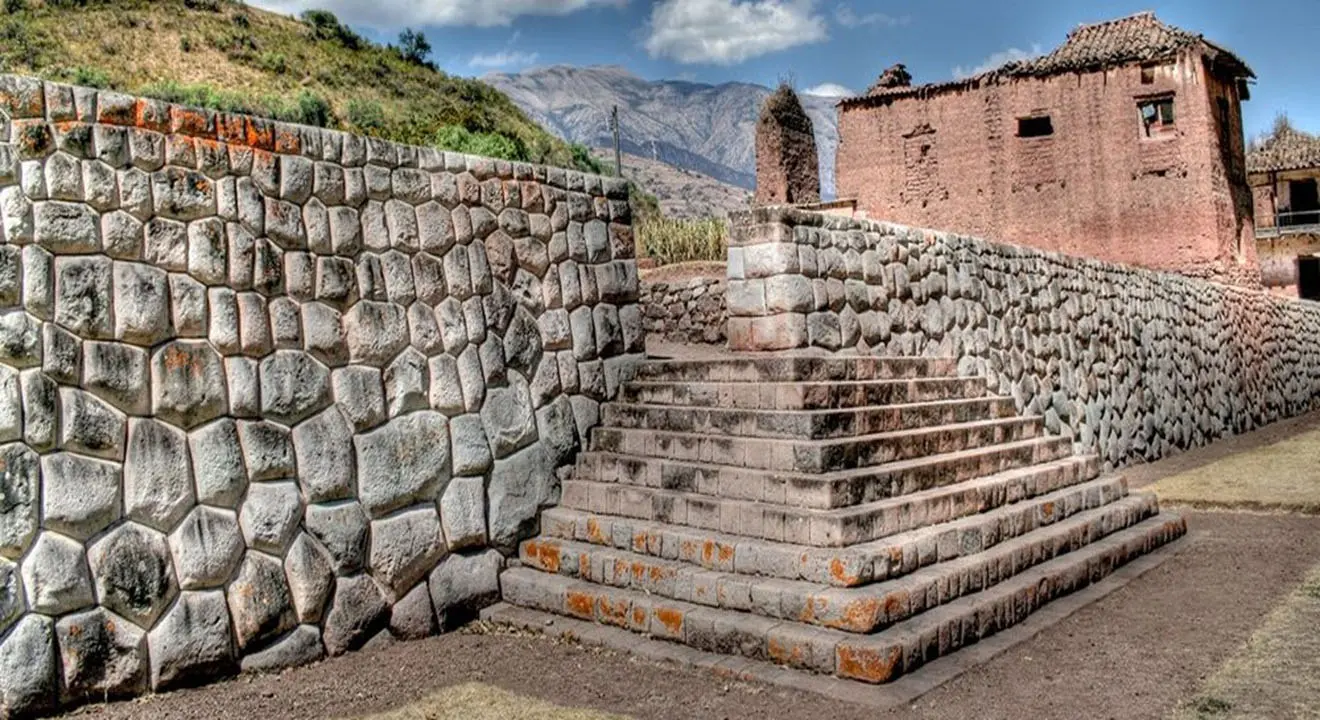
Located in the district of Limatambo, very close to the border between Cusco and Apurímac, Tarawasi is a remarkable archaeological site notable for its Inca ceremonial architecture.
The complex was built over an ancient ushnu, or ceremonial altar, and its walls stand out for the fine polygonal stonework, characteristic of high-ranking Inca constructions. Its strategic location suggests it was an important ritual and administrative center.
How to get there: Tarawasi is just a few minutes before reaching Limatambo, making it an easy and accessible stop along the route to Choquequirao.
3. Carlos V Bridge
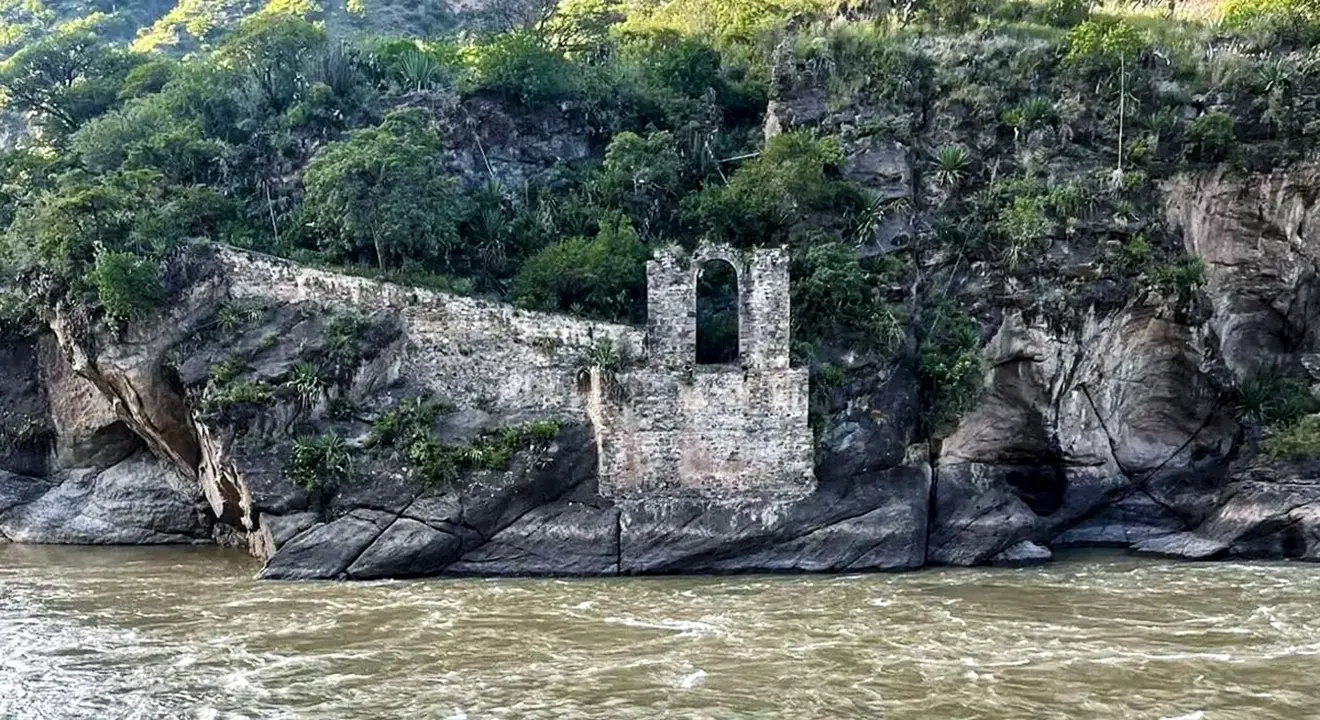
This little-known yet fascinating site is an unfinished colonial bridge located on the banks of the Apurímac River, on the border between the Cusco and Apurímac regions.
The Carlos V Bridge stands out for its unique blend of Inca and colonial engineering, as it was part of the ancient Inca roads, the famous Qhapaq Ñan, later reused during the Spanish era. Although it has not been extensively studied, historical references exist thanks to the chronicler Pedro Cieza de León.
Today, the bridge can be admired from the road, and stopping here allows visitors to experience a little-visited corner full of history and surrounded by impressive scenery.
What to Bring
- Passport or ID (in a waterproof bag)
- Cash (there are no ATMs)
- Sunscreen and lip balm
- Cap or hat
- Sunglasses
- Waterproof jacket or poncho
- Water bottle or hydration system
- Light snacks (bars, nuts)
- Camera or cellphone
- External battery
- Toilet paper and hand sanitizer
- Trekking poles (if you use them)
- Light, breathable clothing for the day
- Warm clothing for the night (fleece or thermal jacket)
- Waterproof jacket or rain poncho
- Trekking pants (preferably detachable)
- Quick-dry underwear
- Sun hat and warm hat
- Buff or scarf
- Towel and toiletries
- Trekking boots
- Lightweight sneakers or sandals for resting at campsites
- Trekking socks (bring extra pairs)
What not to bring
- Hard suitcases or very large backpacks
- Heavy items (laptops, large tripods, speakers)
- Excessive clothing or heavy cotton garments
- Jeans and urban footwear
- Alcoholic beverages and glass bottles
- Heavy food or food that spoils easily
Interesting Facts about Choquequirao
- Choquequirao is larger than Machu Picchu, but only part of the complex has been excavated to date.
- Its name means “Cradle of Gold,” due to the golden tone reflected by its stones in sunlight.
- It was one of the last Inca strongholds during resistance against the Spanish conquest.
- The Llama Terraces stand out for their camelid figures formed with white stones embedded in the terraces.
- It is one of the few archaeological complexes in Peru accessible only on foot, preserving its authentic and uncrowded character.
- The natural surroundings host a great diversity of flora and fauna, such as orchids, condors, Andean foxes, and, on rare occasions, the spectacled bear.
- Many structures remain covered by vegetation, making Choquequirao a site in constant research and discovery.
We are accredited by