OLLANTAYTAMBO: THE LIVING FORTRESS OF THE SACRED VALLEY
If you are planning to visit the Sacred Valley of the Incas, Ollantaytambo is one of those places where time seems to have stood still. Surrounded by sacred mountains and crossed by ancient water channels, this town in the Sacred Valley conveys a special energy that can be felt from the very first moment. Its cobblestone streets, the harmony between architecture and the natural environment, and the constant presence of stone reveal a design intended to endure.
Walking through Ollantaytambo is discovering a perfect balance between nature, engineering, and spirituality. Every corner invites contemplation, while the Andean landscape surrounds the visitor with a feeling of respect and awe. It is not only a destination to observe, but a place to experience, connect, and understand the deep relationship that the ancient inhabitants had with the land.
History
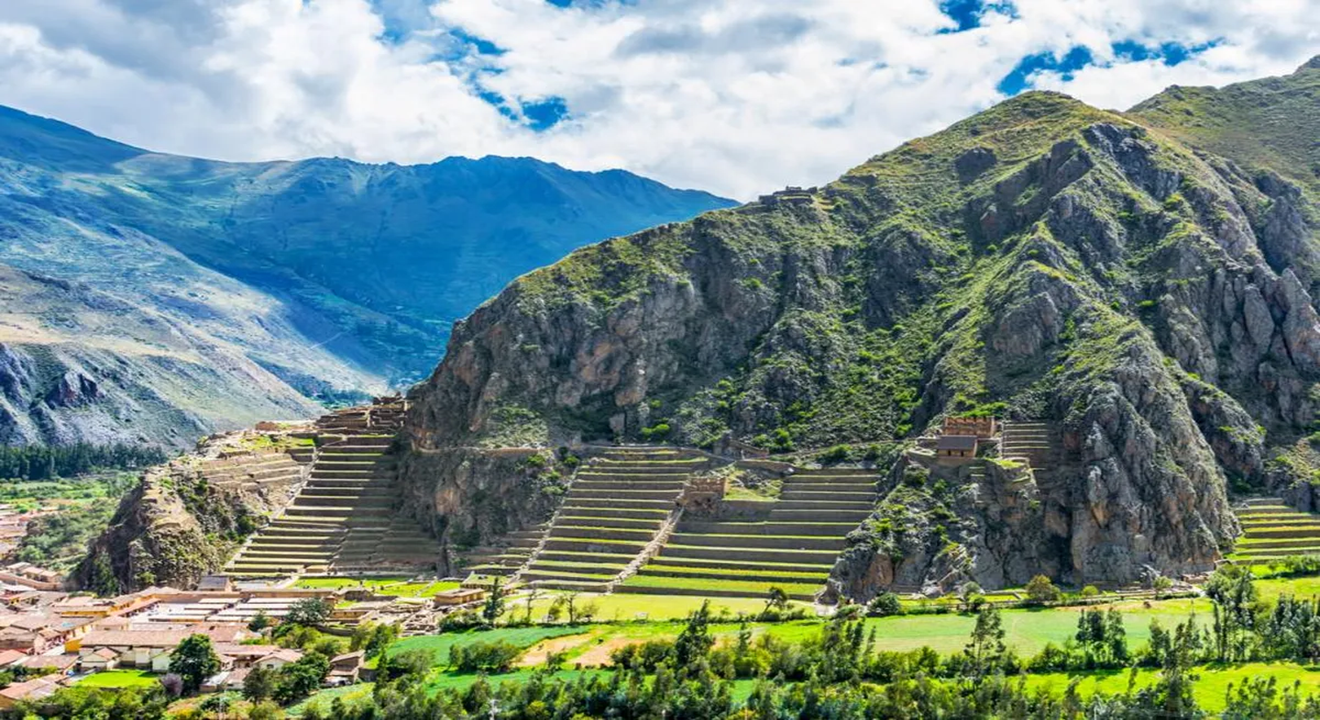
This imposing archaeological town was an important administrative, military, religious, and agricultural center of the Inca Empire, built mainly during the reign of Inca Pachacútec in the 15th century.
This site is especially famous for having been the scene of one of the greatest Inca resistances against the Spanish conquerors, led by Manco Inca Yupanqui in 1536. Thanks to its advanced system of terraces, channels, and fortifications, the Incas achieved a temporary victory over the Spaniards.
Today, Ollantaytambo is considered a National Archaeological Monument and one of the most important Inca complexes in Peru.
What does ollantaytambo mean
Ollantaytambo means the tambo of Ollantay and refers to an Inca settlement that functioned as an administrative, military, and resting center, linked to the legendary historical figure Ollantay. This reflects the strategic, political, and symbolic importance of the place within the Sacred Valley of the Incas.
Location
Ollantaytambo is located to the northeast, in the province of Urubamba, Cusco region, at approximately 2,792 meters above sea level, in the heart of the Sacred Valley. It is surrounded by sacred mountains or apus, such as Pinkuylluna Hill, which had great spiritual significance for the Incas.
Architecture and structure
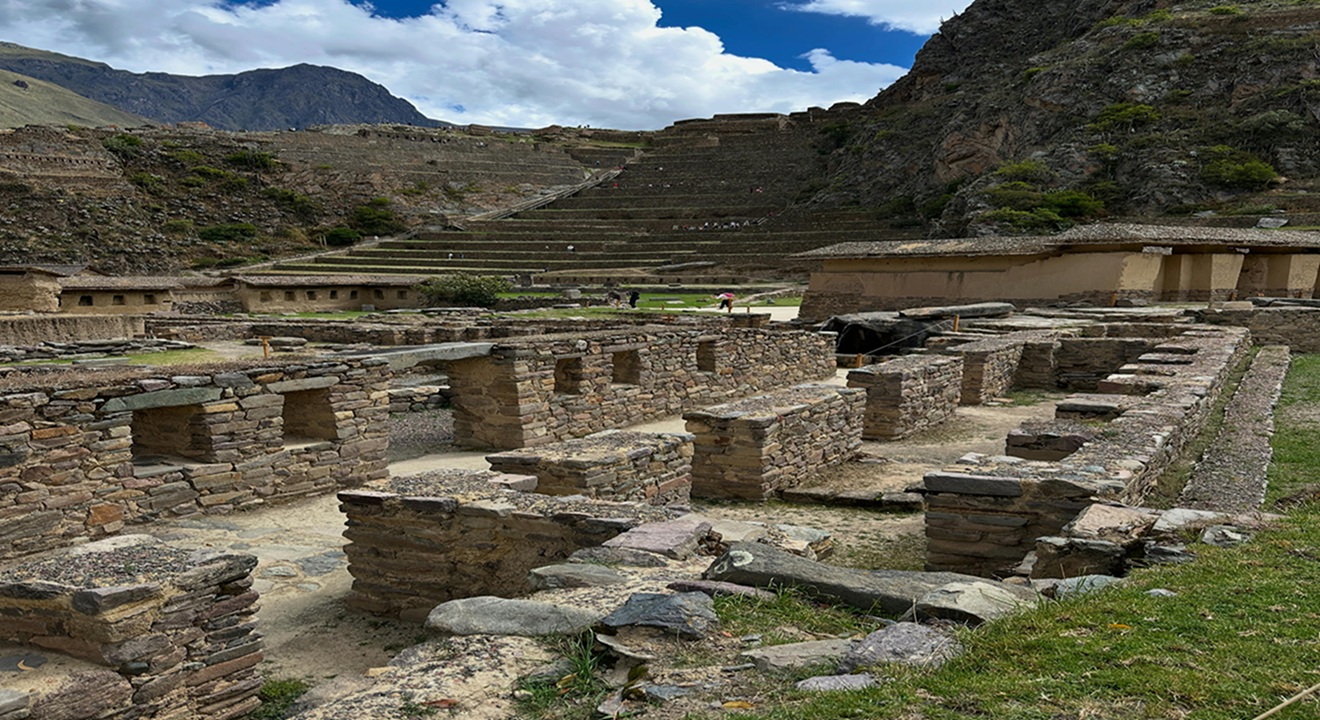
The architecture of Ollantaytambo reflects the high level of engineering and urban planning achieved by the Incas. The complex was designed by integrating it into the mountainous terrain and fulfilling religious, administrative, military, and astronomical functions, which made it a strategic point in the Sacred Valley.
1. Temple of the Sun
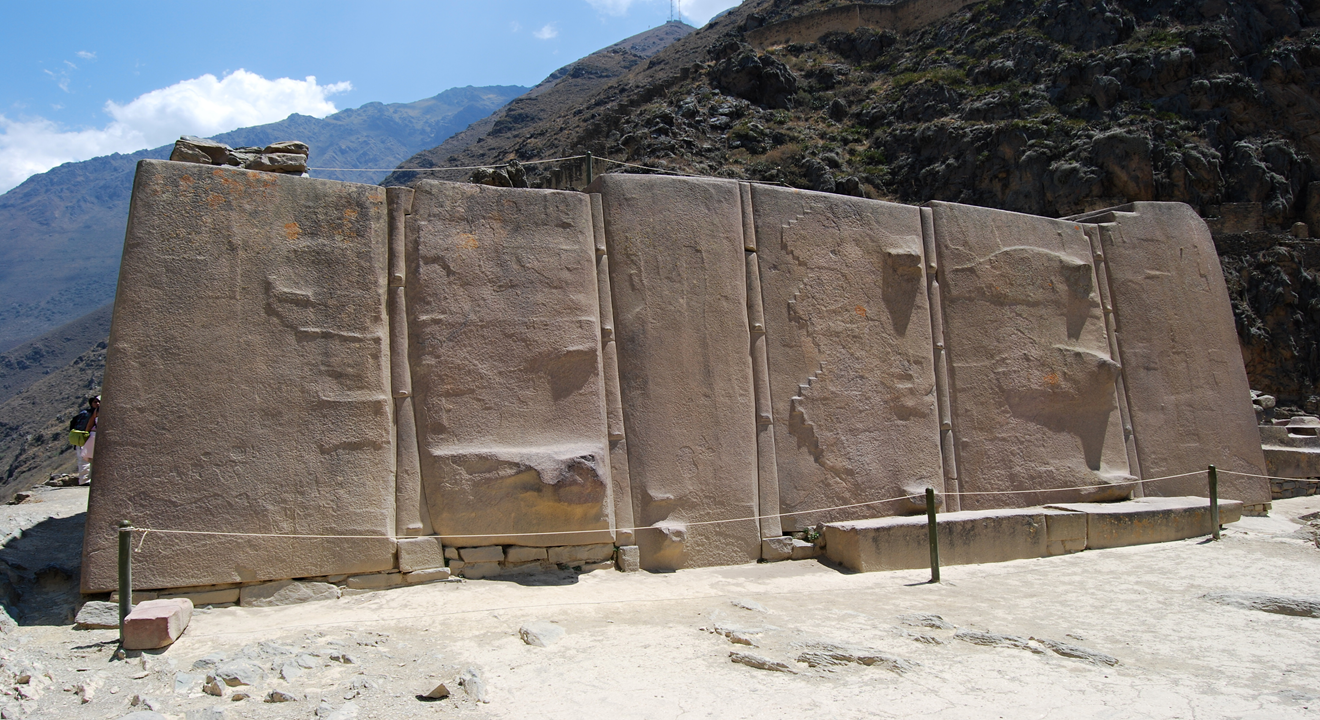
The Temple of the Sun is the most impressive structure in Ollantaytambo and one of the greatest symbols of Inca power. It is made up of enormous pink stone monoliths, carved and assembled with astonishing precision, brought from quarries located several kilometers away.
This place was a sacred space dedicated to solar worship, where religious ceremonies linked to Inti, the Sun god, were carried out. Its orientation and location reflect the Incas’ deep astronomical knowledge, as well as their respect for the sacred mountains surrounding the site.
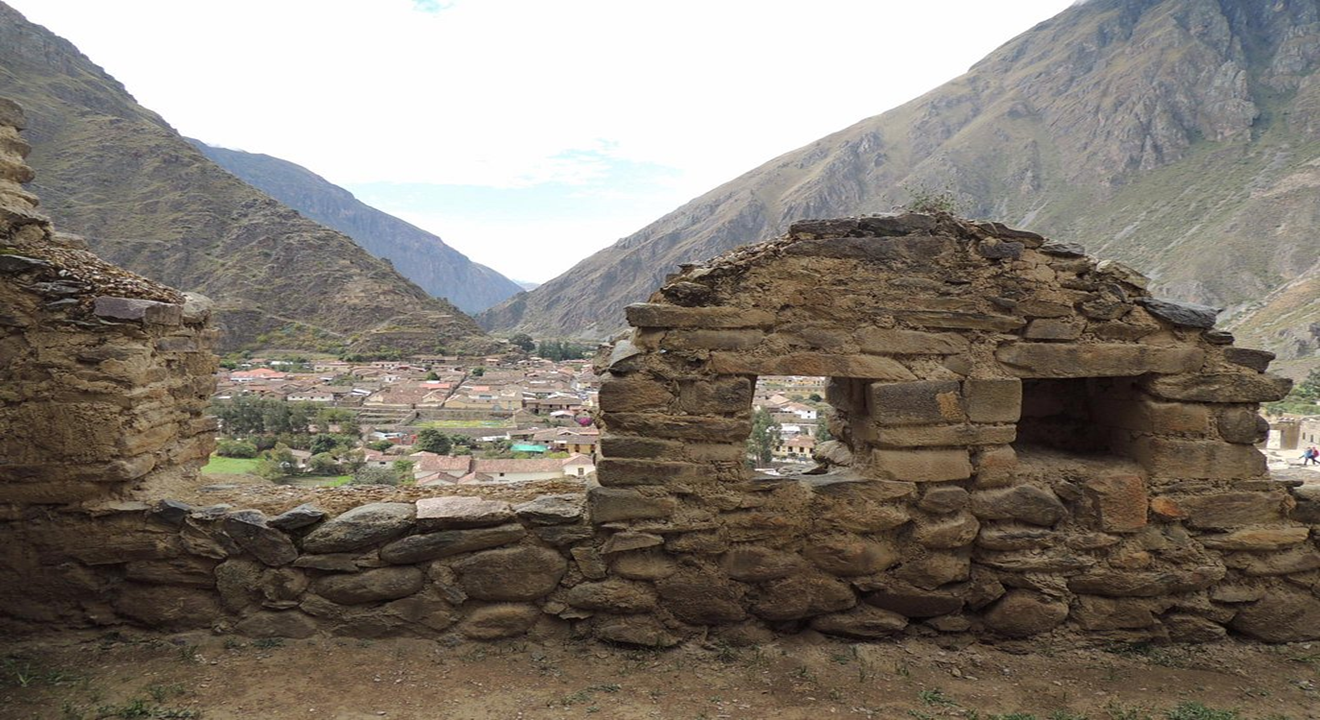
From this sector, a spectacular view of the Sacred Valley is obtained, making it one of the most photographed spots by visitors.
2. Bath of the Ñusta
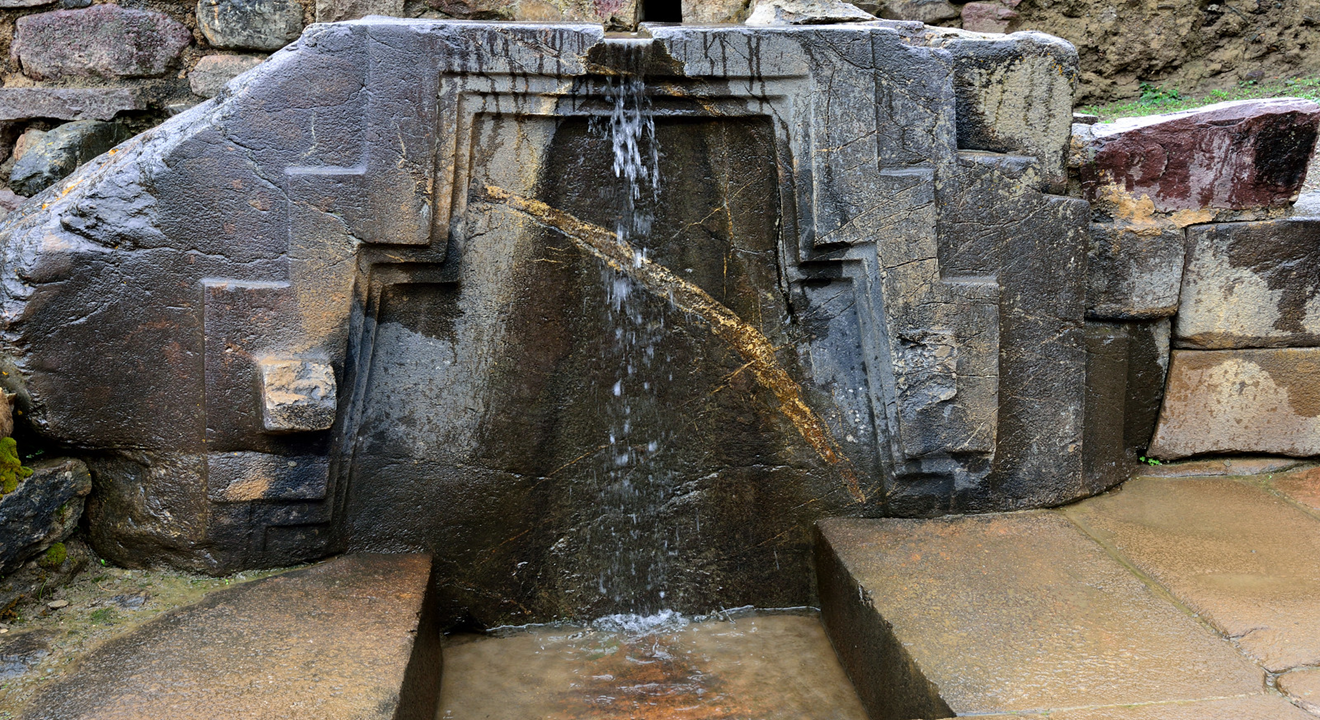
The Bath of the Ñusta is one of the most elegant and symbolic buildings of Ollantaytambo. It is a ceremonial fountain finely carved in stone and supplied by an Inca hydraulic system that still works today. This space would have been used by the nobility, the ñusta or Inca princess, to carry out rituals and ceremonies and occupies an entire room. The planning that has come to light demonstrates the sacred importance of water for the Incas and, with its precision, beauty, and harmony with the natural environment, it amazes its visitors.
3. Pinkuylluna Hill, also known as Qollqas
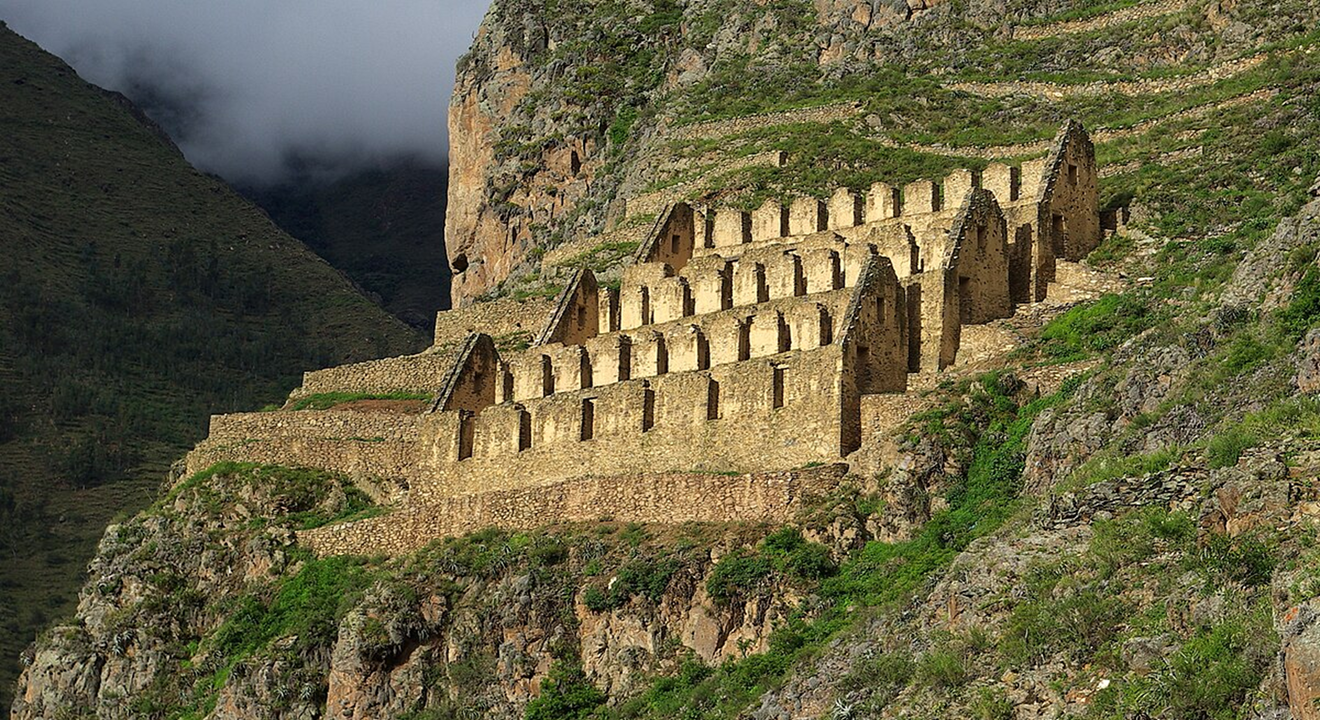
On the top of the mountains that surround Ollantaytambo are the qollqas, ancient storehouses where the Incas stored corn, potatoes, and other foods. Their location was strategically chosen because the wind and cool climate helped preserve the products for long periods of time. This space shows how the Incas thought about the future and ensured food for the population.
4. Monumental Terraces
As you ascend through Ollantaytambo, the enormous stone terraces impress from the very first glance. They were not only used for farming, but also to protect the city and adapt it to the mountain. Walking among them is to feel how the Incas transformed nature into art and strategy, with spectacular views of the Sacred Valley that invite you to stop and admire the landscape.
5. Water Channels
One of the most impressive achievements of Ollantaytambo is its advanced Inca hydraulic system, which is still functioning today. The channels, designed to carry water from the nearby mountains, flow with astonishing precision. This system not only supplied water to the complex, but also had a ceremonial function, connecting the earthly with the spiritual.
6. Inti Punku of Cachiccata – Ollantaytambo
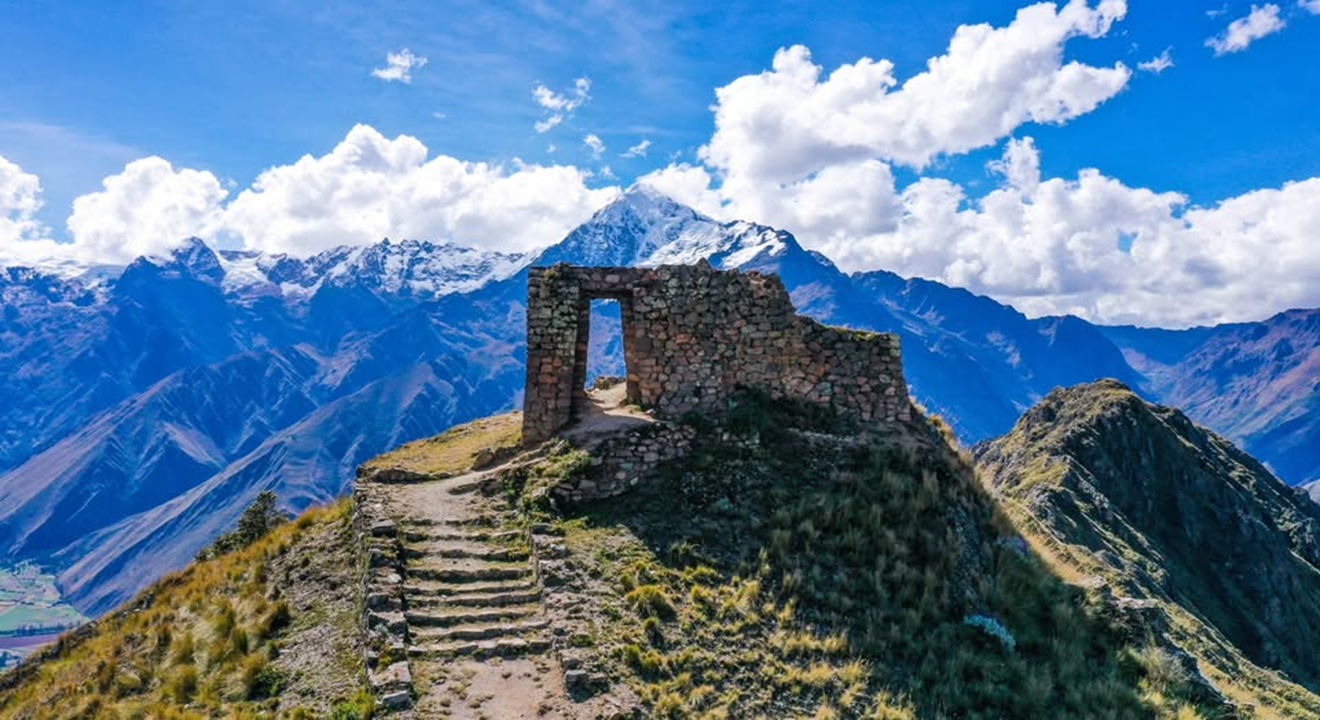
The Inti Punku of Cachiccata is an important Inca ceremonial site located in the highlands surrounding Ollantaytambo, within the Sacred Valley of the Incas. Its name in Quechua means “Sun Gate,” and reflects the deep relationship the Incas maintained with the god Inti, the most important deity in their worldview.
This place is reached by a scenic hike from the Cachiccata area, making it an ideal destination for travelers seeking experiences away from the more crowded routes. From Inti Punku, there is a privileged view of the Sacred Valley and the snowy Verónica peak, a sacred mountain for the ancient inhabitants of the region.
More than a physical gate, the Inti Punku of Ollantaytambo functioned as a symbolic and ceremonial space, possibly used for rituals linked to the sun, agricultural cycles, and astronomical observation. Its strategic location demonstrates Inca knowledge of the landscape, solar orientation, and the spiritual value of the mountains.
It is important not to confuse this site with the Inti Punku of Machu Picchu, nor with Punku Punku, the gate located within the archaeological complex of Ollantaytambo. Each one fulfills different functions and forms part of different historical contexts.
7. Inkamisana
In a high and silent area of Ollantaytambo lies the Inkamisana, a sacred space where the Incas observed the sky and worshiped the Sun. This place was not chosen at random; from here, they could contemplate the path of the solar star and its relationship with the mountains surrounding the valley. Carved directly into the rock, the Inkamisana conveys a deep sense of connection between nature and Andean spirituality.
8. Punku Punku – Ollantaytambo
Punku Punku, whose name in Quechua means “gate,” is an Inca structure located within the archaeological complex of Ollantaytambo. It served as a ceremonial entrance and a strategic control point, from where access to the enclosure was regulated.
Thanks to its elevated location, this space offered a privileged view of the valley and the town, making it a key place for surveillance, defense, and urban organization. Punku Punku reflects the precision with which the Incas planned their cities, combining symbolic, strategic, and architectural functions in a single place.
9. Plaza Mañay Raqay, K’uychipunku
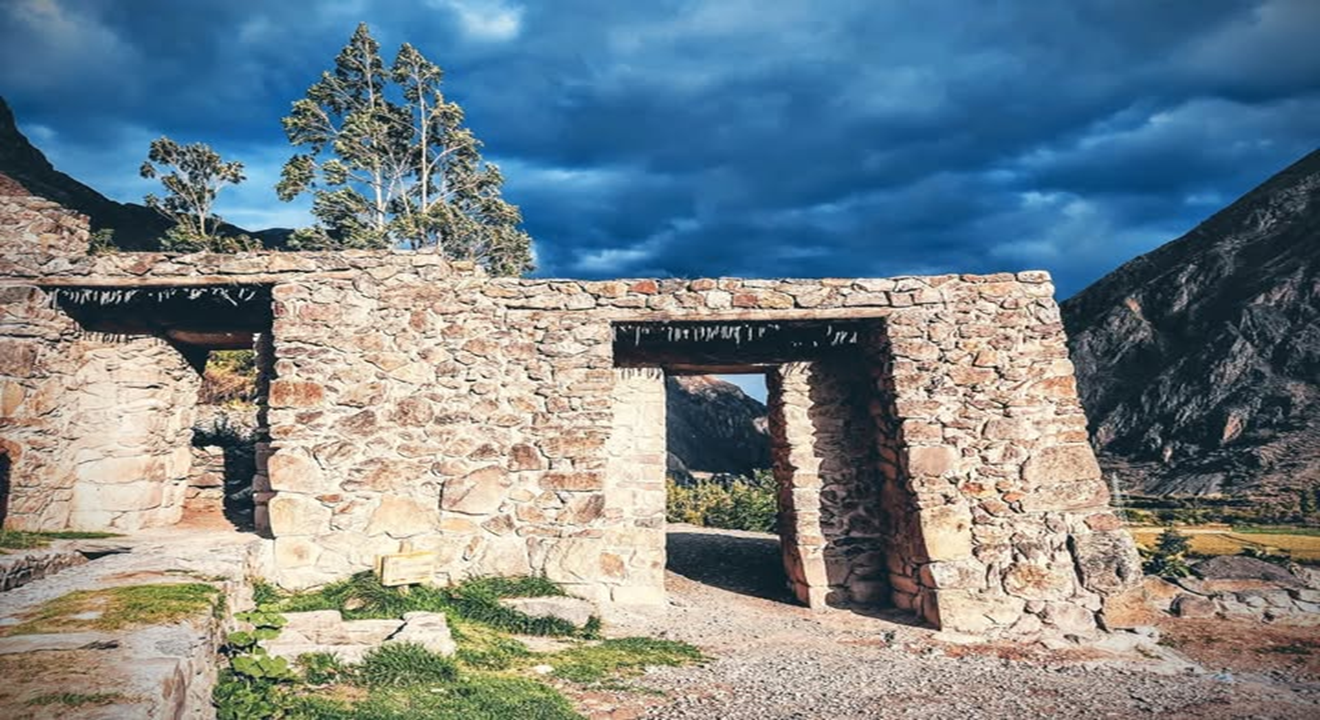
Plaza Mañay Raqay, also known as K’uychipunku, is one of the most important spaces in Ollantaytambo. This place functioned as a point of gathering, control, and organization within the Inca complex. Its strategic location made it possible to regulate access to the main sectors of the site.
From this plaza, ceremonial and administrative activities were coordinated, and it served as an antechamber for those entering the sacred areas.
10. The Forts of Choqana
Located a few kilometers from Ollantaytambo, the Forts of Choqana were strategic constructions that served as control and surveillance points of the Sacred Valley. From here, the Incas could observe who entered and left the territory, protecting access to one of the most important centers of the empire. Walking through this place allows visitors to imagine Inca military life and enjoy impressive views of the Urubamba River and the surrounding mountains, making it a little-visited but very attractive space for those seeking history, tranquility, and spectacular landscapes.
The best time to visit ollantaytambo
The best time to visit Ollantaytambo is between May and September, during the dry season. During these months, days are mostly sunny, there is little rainfall, and the weather is ideal for walking around the archaeological site, climbing the terraces, and enjoying the views of the Sacred Valley.
The months of May, June, and September are especially recommended because they combine good weather with a more comfortable experience for visitors.
During the rainy season, which runs from November to April, the landscape becomes greener and more attractive, but sudden बारिश and slippery paths may occur. Even so, it is a good option for those seeking fewer tourists and a calmer atmosphere, as long as they go prepared with waterproof clothing.
How to get from cusco to ollantaytambo
- Paved route from Cusco via Izcuchaca, Urubamba, and Pachar: it is one of the main routes, with an approximate distance of 75 km. It is fully paved and crosses the picturesque Sacred Valley of the Incas, passing through several tourist points of interest. It is a comfortable, safe, and widely used option for traveling by bus or private vehicle.
- Paved route from Cusco via Pisac, Calca, Urubamba, and Pachar: it has an approximate distance of 93 km and is a comfortable and safe option, since the road is completely paved. Although it is a longer route, it allows travelers to enjoy beautiful landscapes and pass through important tourist towns of the Sacred Valley such as Pisac and Calca, making it suitable for all types of vehicles.
- Train route from Cusco to Hidroeléctrica: approximate distance of 68 km; it is an option mainly intended for those traveling to Aguas Calientes, since the route crosses landscapes of the Sacred Valley passing through Izcuchaca, Urubamba, and Pachar, although it does not arrive directly in Ollantaytambo.
- Route from Cusco to Ollantaytambo: 41 km. Paved, passing through Izcuchaca, Huarocondo, and Pachar; it is the shortest and fastest route, although during the rainy season there may be landslides or closures, so it is recommended to check conditions before traveling.
The best accommodations in ollantaytambo
Luxury hotels
- El Albergue Ollantaytambo: An elegant hotel surrounded by gardens, with a swimming pool and its own restaurant. Perfect for relaxing after touring the Sacred Valley and enjoying a peaceful and exclusive atmosphere.
- Hotel Pakaritampu: Located on the outskirts of town, it offers comfortable rooms with river views and a serene environment, ideal for those seeking privacy and contact with nature.
Boutique hotels
- Taypikala Hotel Ollantaytambo: Combines rustic charm with modern details, very close to the ruins. Its personalized service makes guests feel at home while exploring Inca history.
- Casa de Mama Ollantay: Traditional Andean style with authentic decoration and a family atmosphere. A perfect option for those who want to immerse themselves in local culture.
Hostels and budget lodging
- Hostal Qori Willka: Excellent location, simple and comfortable rooms. Ideal for backpackers and travelers looking for economy without losing comfort.
- Hostal Sol y Luna: Cozy and close to the town center, with friendly service that makes the stay warm and memorable.
Recommended restaurants in ollantaytambo
Traditional Peruvian cuisine
- El Albergue Restaurant: Located next to the hotel, it offers typical dishes from the Sacred Valley with fresh local ingredients. Highlights include meats, ceviches, and quinoa dishes.
- Apu Veronica: Family-run restaurant that serves authentic Andean food, such as cuy chactado, papa a la huancaína, and traditional soups.
Modern and fusion options
- Pakaritampu Restaurant: Combines Peruvian cuisine with contemporary techniques. Ideal for those looking for creative dishes without losing local flavor.
- Tunupa Restaurant: Peruvian and international cuisine, with a terrace offering spectacular views of the valley and the ruins.
Cafés and light meals
- Café Mayu: Perfect for breakfasts, specialty coffee, and snacks before or after exploring the ruins.
- El Olivar: A cozy place to try natural juices, sandwiches, and local pastries.
What to bring
- Identity document or passport
- Entrance tickets and train/bus tickets
- Light and comfortable clothing
- Windbreaker or waterproof jacket
- Trekking shoes or comfortable footwear
- Cap or hat
- Sunscreen
- Sunglasses
- Reusable water bottle
- Small snacks (fruit, energy bars)
- Small backpack (max. 20 kg)
- Camera or phone with good battery
- Insect repellent
- Trekking poles (optional)
what not to bring
- Large backpacks (more than 20 kg)
- Drones
- Tripods, stabilizers, or long selfie sticks
- Picnic-style or large food portions
- Disposable plastic bottles
- Animals (except certified assistance animals)
- Umbrellas
- Musical instruments
- Posters, costumes, or flags
- Alcoholic beverages
Interesting facts about ollantaytambo
- It is one of the oldest continuously inhabited towns in Peru, and it still preserves its original Inca urban layout.
- During the Inca resistance, Ollantaytambo was a key fortress where Manco Inca confronted the Spaniards in 1537 and achieved a historic victory.
- Its stone walls are so well fitted together that not even a sheet of paper can fit between the blocks.
- The agricultural terraces not only served for farming but also for controlling erosion and taking advantage of the microclimate at each level.
- The name Ollantaytambo comes from the Inca drama “Ollantay,” and “tambo” means place of rest or lodging, reflecting its strategic function in the empire.
- Many of the water systems and canals built by the Incas still function today, demonstrating their advanced hydraulic engineering.
- Ollantaytambo is considered the gateway to the Inca Trail and Machu Picchu, serving as a starting point for many travelers
We are accredited by