HUCHUY QOSQO: THE SECRET JEWEL OF THE SACRED VALLEY
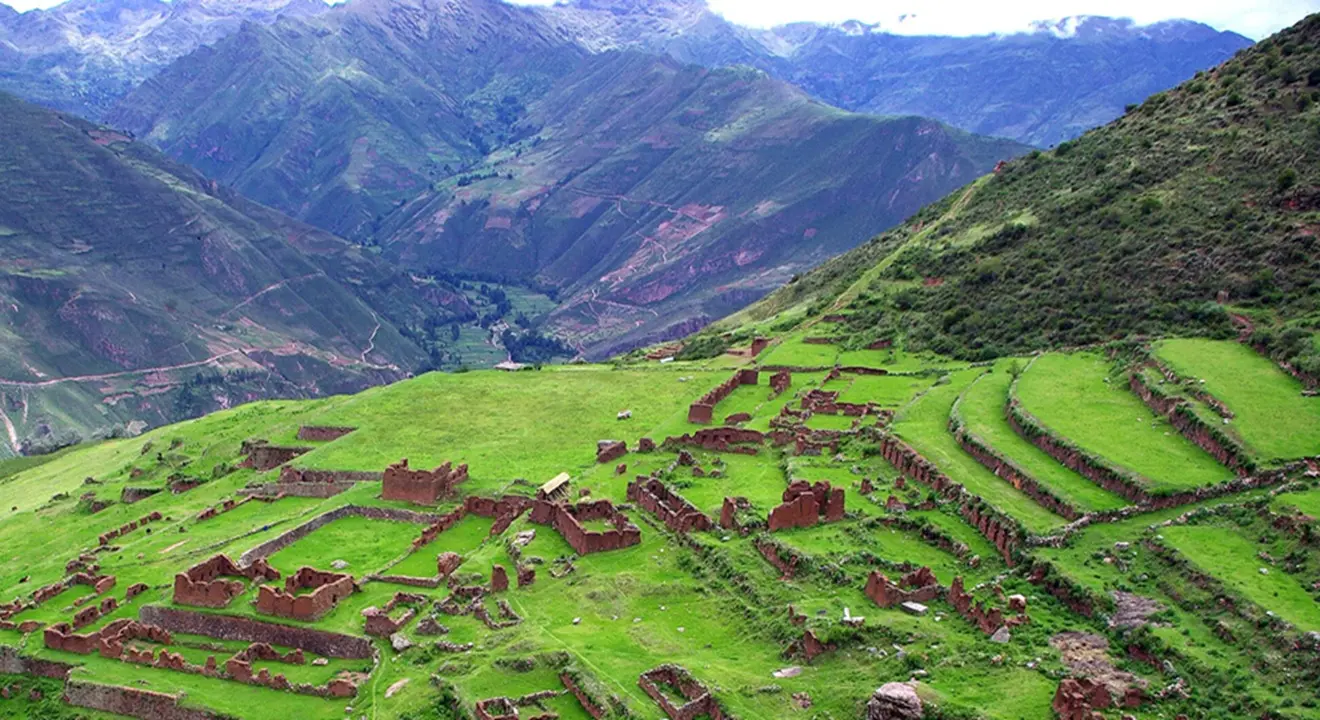
Huchuy Qosqo is an ancient Inca archaeological site located in the Sacred Valley of the Incas, Cusco, at about 3,600 meters above sea level. Surrounded by mountains and agricultural terraces, it offers impressive views of the valley and an authentic experience of Inca culture. It is an ideal destination for those who enjoy hiking, history, and nature, combining moderate walks with spectacular landscapes.
History of Huchuy Qosqo: from pre-Inca times to the colony
Huchuy Qosqo, whose name means “Little Cusco” in Quechua, was an Inca settlement built during the Inca Empire, probably under the reign of Viracocha Inca or Pachacútec. It is believed to have been an administrative and agricultural residence, where farming terraces were controlled and resources for the Sacred Valley were stored.
- Pre-Inca period: Before the Incas, the area of Huchuy Qosqo was already used by local communities for terrace agriculture and small settlements. These early inhabitants took advantage of the plateau’s topography and the resources of the Sacred Valley, laying the foundations that would later be expanded by the Incas.
- Inca period: During the Inca Empire, Huchuy Qosqo developed as an administrative and agricultural center, probably under the government of Viracocha Inca or Pachacútec. Terraces, storehouses, and stone structures were built, and the site functioned as a residence for Inca officials, a surveillance point, and a control center for routes that connected other important centers of the empire.
- Colonial period: With the arrival of the Spaniards, Huchuy Qosqo lost its administrative function and many of its structures were abandoned or adapted for local uses. The area was largely forgotten until modern archaeological studies highlighted its historical and cultural relevance within the Sacred Valley.
¿What does Huchuy Qosqo mean?
Huchuy Qosqo, whose name in Quechua means “Little Cusco,” combines the words “Huchuy,” which means “small,” and “Qosqo,” in reference to the great capital of the Inca Empire. It has also historically been called Xaquijaguana, with variants such as Caquia Xaquixaguana, Sacsahuana, Cahua Xaque Xaguana, and Huana, reflecting the richness of its history and tradition.
How to get to Huchuy Qosqo
There are several alternatives to reach the archaeological site of Huchuy Qosqo, each with its own charm and level of adventure:
- Route Saqsayhuamán – Huchuy Qosqo: This is the most well-known historical route, which begins in Saqsayhuamán, from the Chincana area. The trail passes through archaeological sites such as Fortaleza, Cauca, Queullacacha Lagoon, Rumi Cruz, Pukamarca, and León Punku before reaching Huchuy Qosqo. It is perfect for those who enjoy trekking and Inca history.
- Route from Chinchero: This route is a mule trail that takes about 6 hours of walking, ideal for those seeking a more peaceful experience immersed in nature.
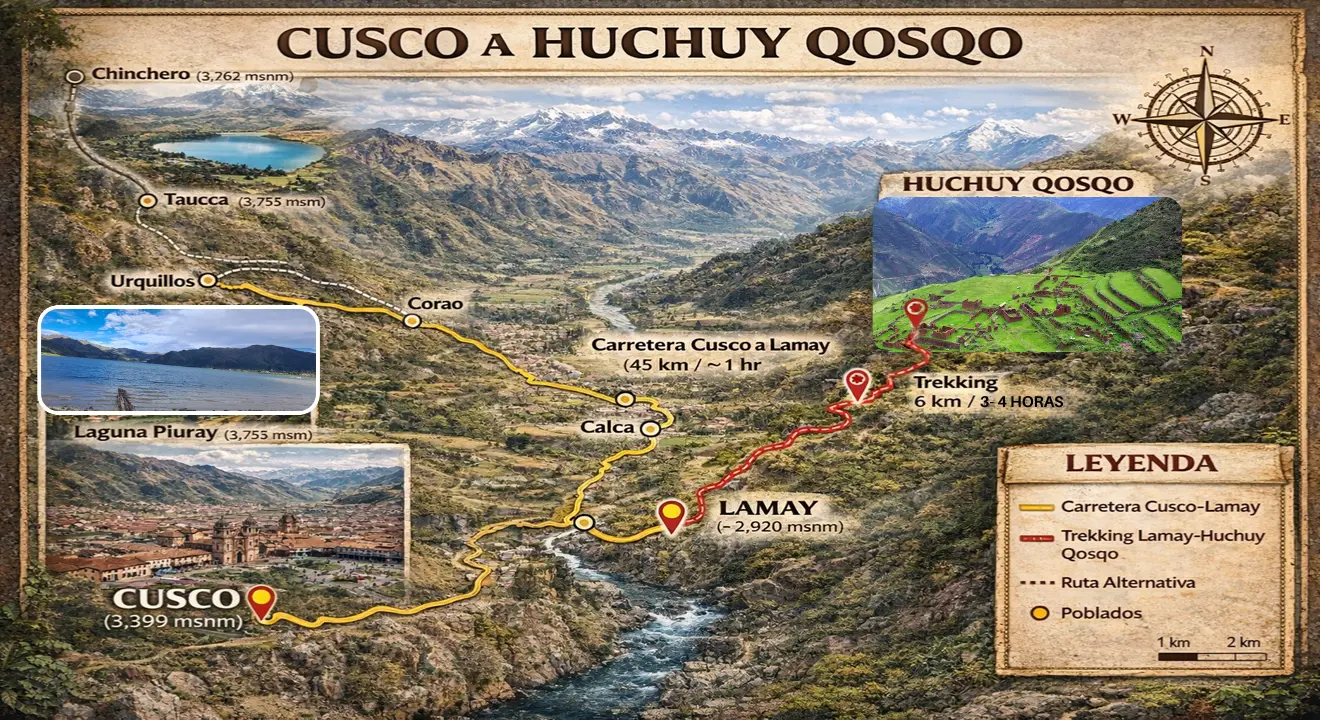
- Route Cusco – Pisac – Lamay: Combining paved road and mountain trail, this route covers about 40 km to Lamay, from where one ascends along the slope of Mount Rakarakay to Huchuy Qosqo, with an approximate walking time of 3 to 4 hours.
- Route Calca – Saqllo – Huchuy Qosqo: From Calca, one reaches the community of Saqllo in a journey of about 45 minutes by vehicle. Then, a mule trail leads to Huchuy Qosqo in about 3–4 hours of walking, offering mountain landscapes and Inca agricultural terraces along the way.
Climate and best times to visit Huchuy Qosqo
Huchuy Qosqo is located at approximately 3,600 meters above sea level, so its climate is typical of the high Andean mountains.
- Dry season (May to September): Days are sunny and cool, with temperatures between 15 °C and 20 °C, while nights can be quite cold, reaching 8–10 °C. This is the best time to visit, as the trails are safer and there is less risk of rain.
- Rainy season (November to March): Days are usually cloudy and rainy, especially in the afternoons, with daytime temperatures of 18–22 °C and cool nights. Hiking can be more challenging, but the landscape becomes green and lush, with vegetation more vibrant than during the dry season.
However, each season has its own charm. During the rainy season, the landscapes are filled with intense and spectacular green, while in the dry season the nights are colder and the air is drier, which could be an inconvenience for those who suffer from dust allergies.
Traveler tip: Wear appropriate clothing, warm layers for mornings and nights, a rain jacket or poncho, and sunscreen. Being prepared for climate variations will allow you to fully enjoy the hike and the visit to the archaeological site, regardless of the season.
What to see in Huchuy Qosqo
Huchuy Qosqo offers a unique experience that combines history, Inca architecture, and natural landscapes:
1. Archaeological zone
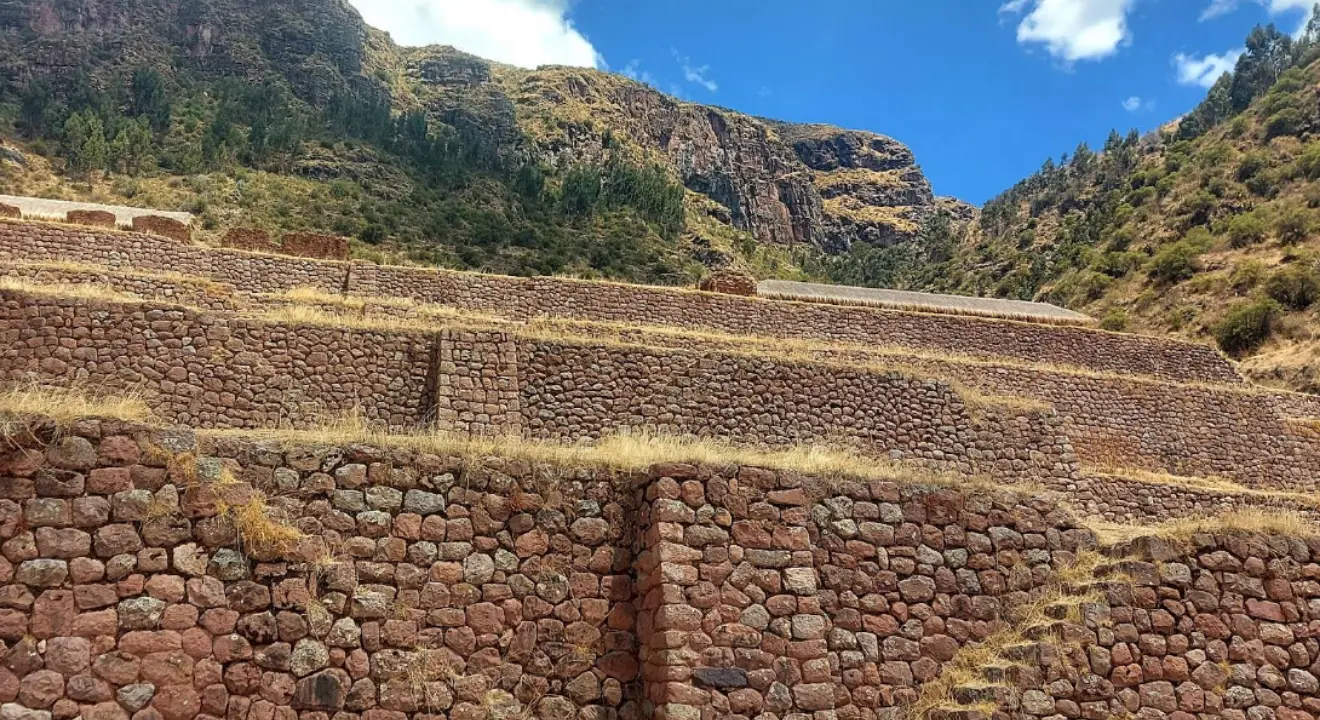
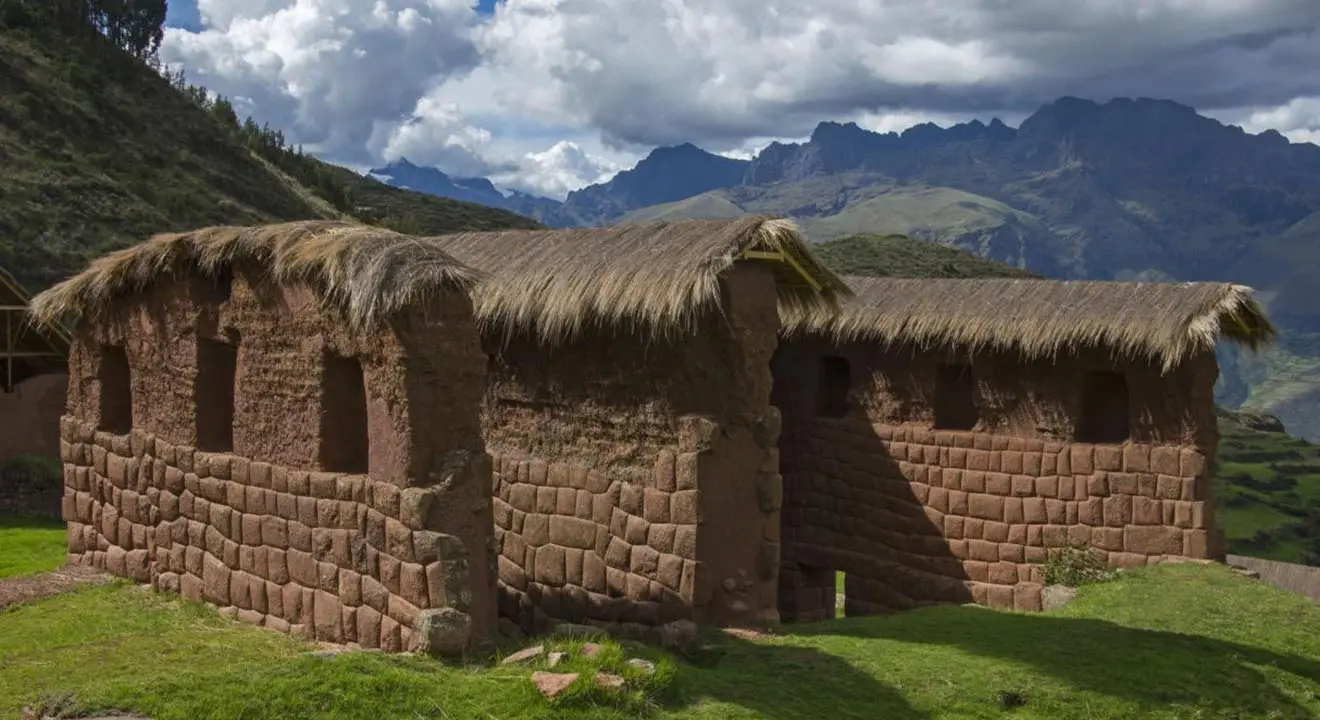
Huchuy Qosqo is an example of Inca urban planning. The buildings are constructed of carved stone and adobe, many coated with clay on both the interior and exterior. The structures are organized on three main platforms, with walls, niches, and buildings that show symmetry and Inca technique. This complex reflects how the Incas integrated functionality, aesthetics, and strength in their constructions.
2.Main esplanade (Haukaypata)
Located at the eastern end of the site, this irregularly shaped esplanade was the ceremonial center of Huchuy Qosqo. It is bounded by a terrace to the south and a balcony to the north, with two prominent rocks at the southern end. Important rituals and community gatherings were held here, which demonstrates the religious and social importance of the place.
3.Agricultural terraces
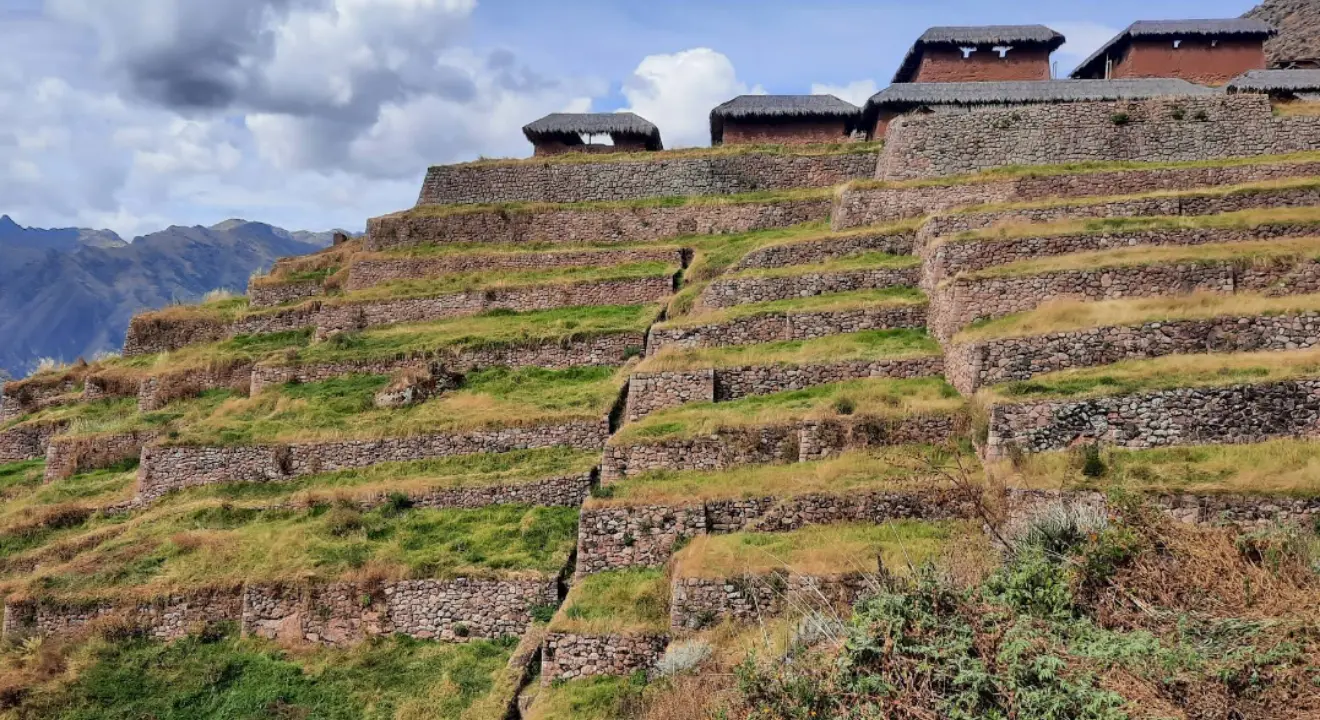
The terraces extend along the northern and western slopes of the site, built with cellular pillow masonry. They have an average height of 4 meters, and many include stairways that facilitate circulation between levels. Vertical and horizontal channels allow efficient drainage and irrigation, showing the advanced agricultural knowledge of the Incas.
4.Kallankas
These are large rectangular halls distributed throughout the site, used for social, ceremonial, and administrative activities. The largest measures 54 meters long by 17 meters wide and is located parallel to the main esplanade. These structures stand out for their spaciousness, solidity, and strategic location.
5.Colonial reservoir
Located in the center of Huchuy Qosqo, the reservoir has a capacity of 2,000 m³ and was built with stone walls and lime and clay mortar. Although it is currently inactive, it represents a sophisticated water storage system, reflecting the importance of water resources for life at high altitude.
6.Inca Trail
The path that connects Huchuy Qosqo with Cusco enters the site through a double-jamb doorway built in adobe over stone walls. This paved road is reinforced with retaining walls and shows how the Incas interconnected their administrative and ceremonial centers through a perfectly planned road network.
7. Viewpoint or “Inca Prison”
A rectangular enclosure located at the eastern end, it offers spectacular panoramic views of the Calca and Lamay valleys. Its name reflects the function that some chroniclers attribute to it as a place of surveillance or control, and its strategic position allows appreciation of the vastness of the valley from above.
8. Chinkana
This narrow tunnel carved into the rock of a cliff, although partially collapsed, preserves approximately three meters of passage. It is believed to have been part of a ceremonial or defensive system, showing the complexity of Inca architecture and its integration with the natural terrain.
9. Quarry
Located northwest of Pukamarca and southwest of Huchuy Qosqo, the quarry contains carved stones and stones in the process of being worked, ready to be transported and used in the construction of the site. This place allows appreciation of the work and planning behind each Inca structure.
10. Malki or Mummy of Wiracocha
According to chroniclers, the Inca Wiracocha chose Huchuy Qosqo as a place of retreat, spending his final days here. Some accounts indicate that he died in Xaquixaguana and that his remains were discovered and hidden by Gonzalo Pizarro. This story adds a unique historical and cultural value, connecting the site with the life of the Inca rulers.
11. Flora
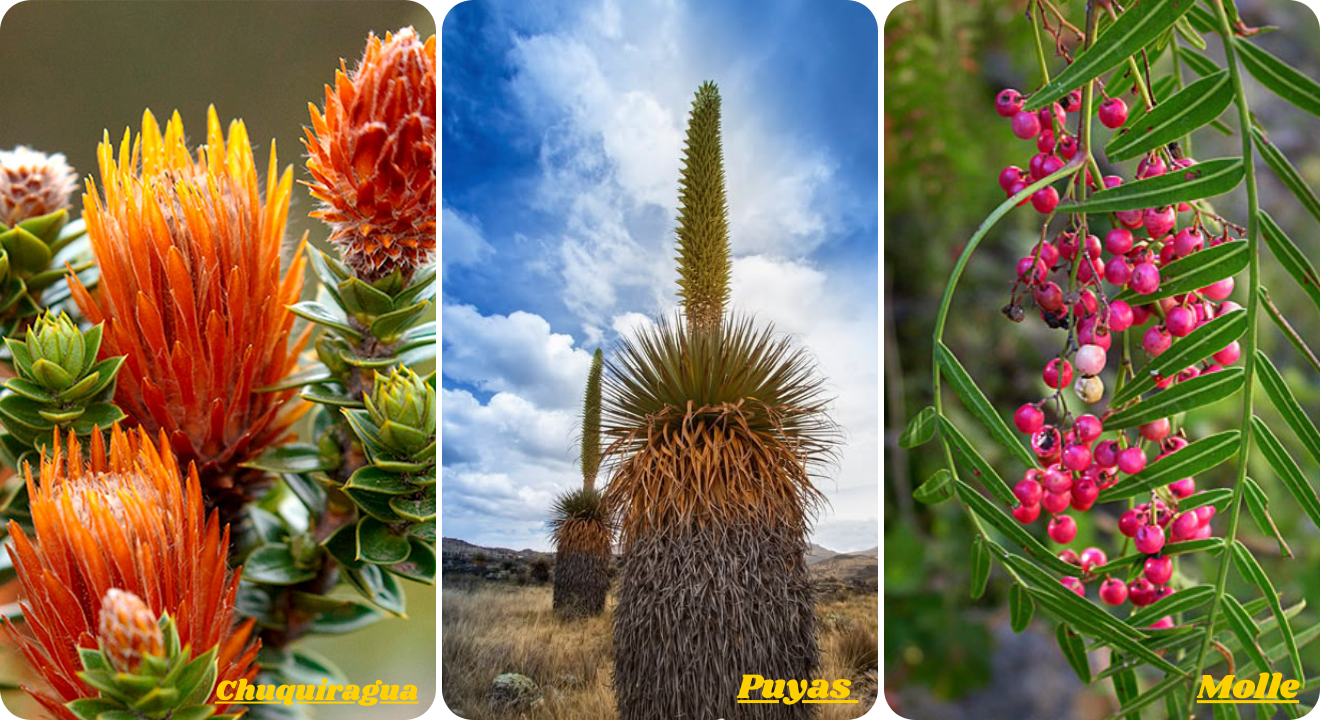
During the route, native plants such as chuquiragua, puyas, and molle can be observed.
12. Fauna
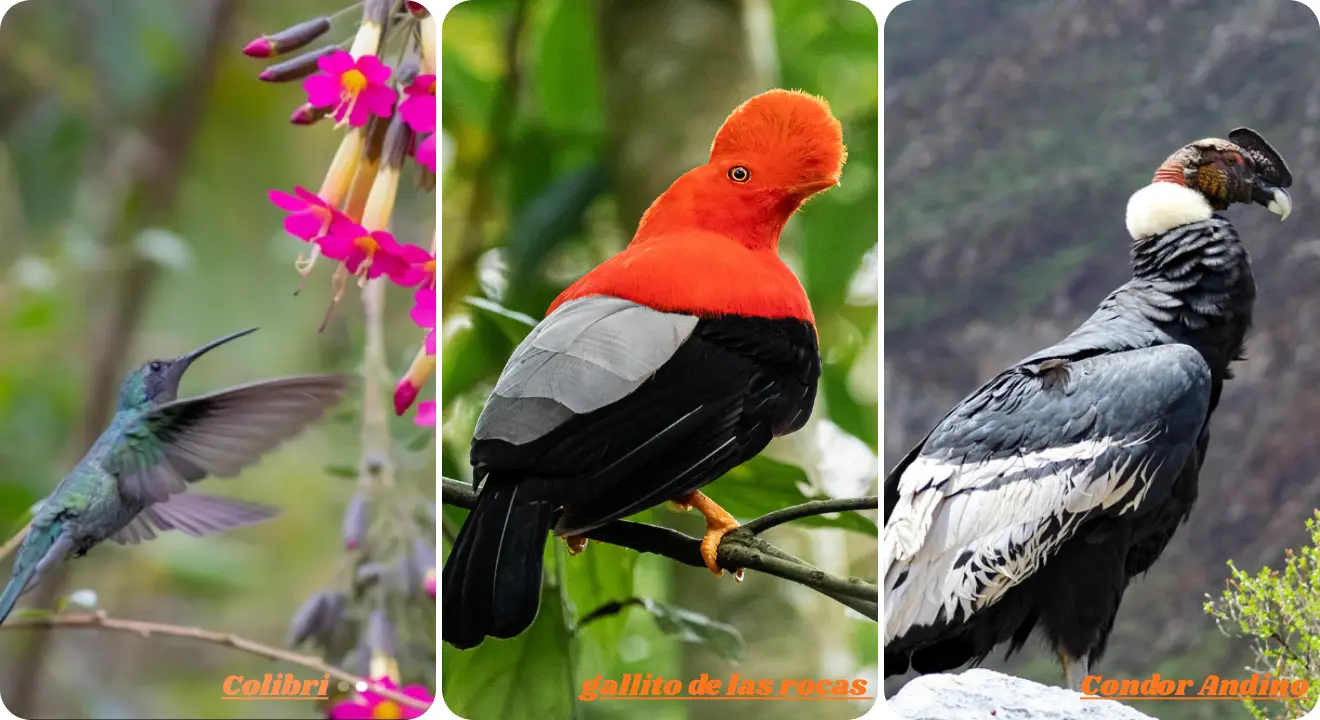
On this route you can also observe Andean birds such as the Andean Cock-of-the-Rock, Andean Condor, and hummingbirds. The presence of Andean mammals and reptiles adds a natural component that makes the visit both historical and ecological at the same time.
Huchuy Qosqo thus combines culture, history, and nature, becoming a perfect destination for those seeking adventure, photography, and learning about the Inca world.
What to bring to Huchuy Qosqo
- Comfortable layered clothing: Light jacket and warm clothes for cold mornings and nights.
- Proper footwear: Non-slip trekking boots or shoes.
- Sun protection: Hat or cap, sunglasses, and sunscreen.
- Rain jacket or poncho: Especially during the rainy season (November to March).
- Light backpack: To carry water, snacks, and personal items.
- Water and snacks: Constant hydration and energy during the hike.
- Camera or cellphone: To capture the views and ruins.
- Trekking poles (optional): Useful on steep trails.
- Passport or official identification: Mandatory for foreign tourists.
What not to bring to Huchuy Qosqo
- Inappropriate clothing or footwear: Avoid sandals, high heels, or uncomfortable clothes.
- Heavy or bulky items: Very large backpacks can make walking difficult.
- Unnecessary food or trash: Respect the archaeological site and nature.
- Pets: It is not recommended to bring animals for conservation and safety reasons.
- Unnecessary valuables: It is better to leave jewelry, expensive accessories, or non-essential electronics behind.
Traveler Tip: If you visit Huchuy Qosqo, always carry your passport or official identification, as it is mandatory for foreign tourists. Also, do not miss the viewpoint or “Inca Prison,” from where you can enjoy unique panoramic views of the Sacred Valley, perfect for photos and for connecting with Inca history in a single glance.
We are accredited by